-
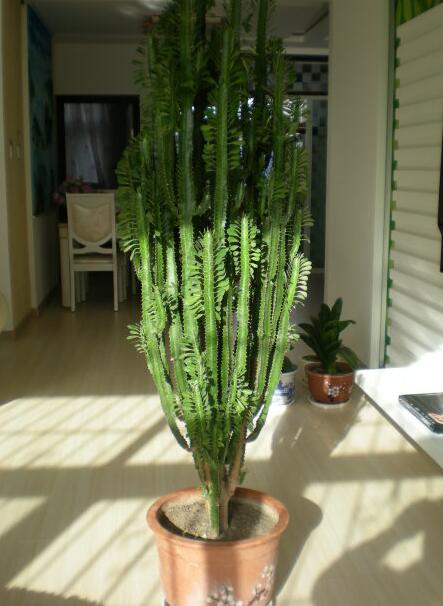
Dragon Bone Cactus (Euphorbia trigona) is best suited for growing at home; a detailed explanation of cultivation methods and precautions
Dragon Bone Cactus likes warmth and warm air. It prefers partial shade; under strong direct sunlight the plant turns yellow. The optimum growing temperature is 25-35°C. It is sensitive to low temperatures; below 5°C the stem segments rot easily. It likes fertile loam rich in humus. For potting soil, use equal parts of leaf mold, coarse sand and rotted manure mixed together.
-
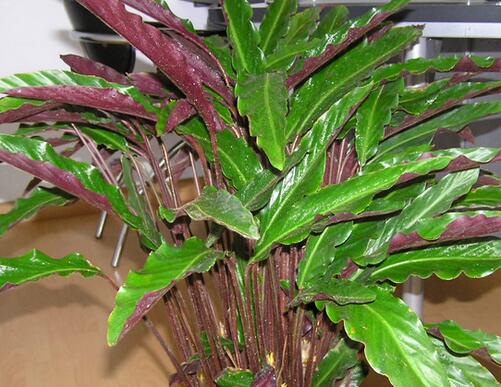
How to Grow Calathea Roseopicta? Detailed Guide to Growing Methods and Precautions
Calathea roseopicta prefers a warm, humid, shaded environment. The optimal growing temperature is 20-30°C, and the overwintering temperature is 15°C. During the growing period, water should be supplied adequately. Water promptly when the potting soil is slightly dry. If you can frequently spray water on the ground to increase air humidity, it will grow very well, but do not let the potting soil become waterlogged.
-

Kalanchoe: Detailed Guide to Techniques for Growing a Full Pot and Water Propagation Methods
Kalanchoe (Kalanchoe blossfeldiana) is a plant that many people really love. If a large pot held only a single kalanchoe plant, how lonely that would be. Let's take a look at how to grow kalanchoe into a full pot. Just propagate more and it will soon be full: stem cutting propagation. Kalanchoe can be propagated in all four seasons, as long as the temperature is above 15°C.
-
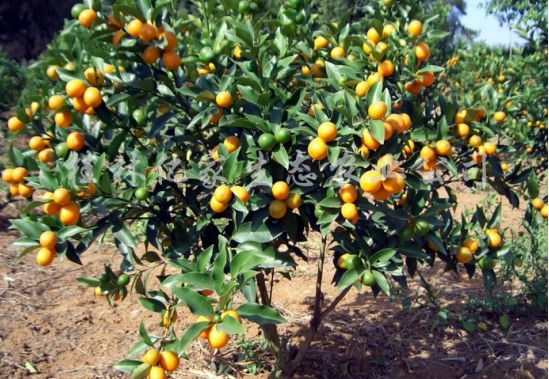
What to Do When a Kumquat Tree Drops Its Leaves? Master the Growing Methods and Precautions
Speaking of kumquats, many people really love eating them - they are truly delicious beyond words. Let's take a look at the growing methods and precautions for kumquat trees.
-
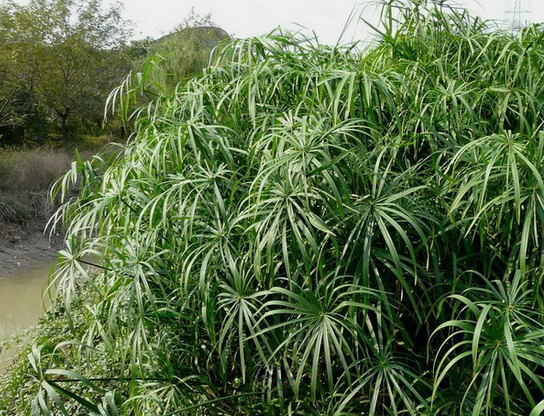
What to Do When Umbrella Papyrus Leaves Turn Yellow? Detailed Guide to Growing Methods and Precautions
When it comes to umbrella papyrus, this is a water-grown plant found in many places, and its survival rate is very high. Let's look at the growing methods and precautions for umbrella papyrus.
-
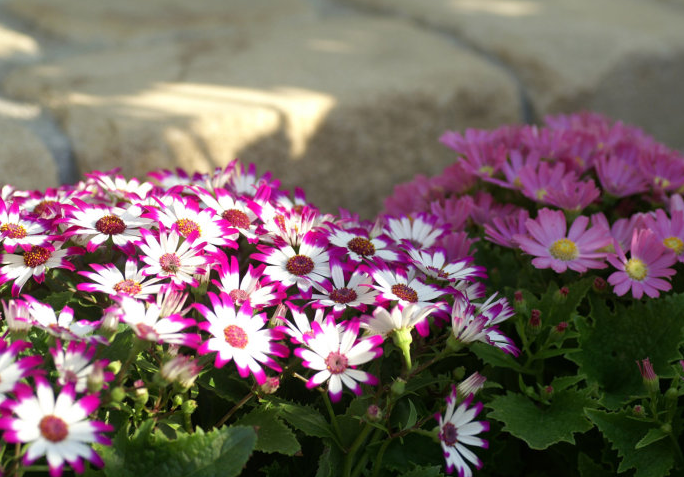
What to Do When Cineraria Leaves Wilt? Detailed Guide to Growing Methods and Precautions
Cineraria really is very beautiful, and it looks a bit like a chrysanthemum, only with more colors. Let's take a look at what the growing methods and precautions for cineraria are. What to do when cineraria leaves wilt: growing methods and precautions for cineraria: also known as rich chrysanthemum, cucumber flower. The leaves are large and shaped like cucumber leaves.
-
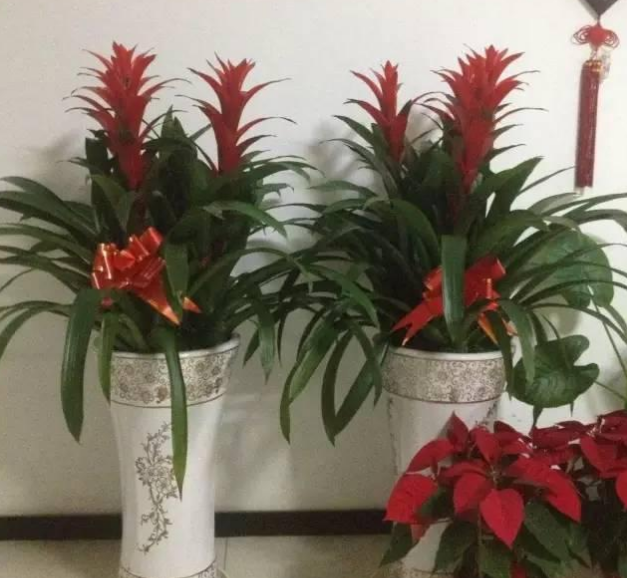
How much does one Guzmania (Vriesea) pot cost? Detailed guide to growing methods and precautions
When it comes to this Guzmania, many people like to grow it; the flowers it blooms are super gorgeous and beautiful, and its name is also quite auspicious. Let's take a look at what the growing methods and precautions for Guzmania are.
-
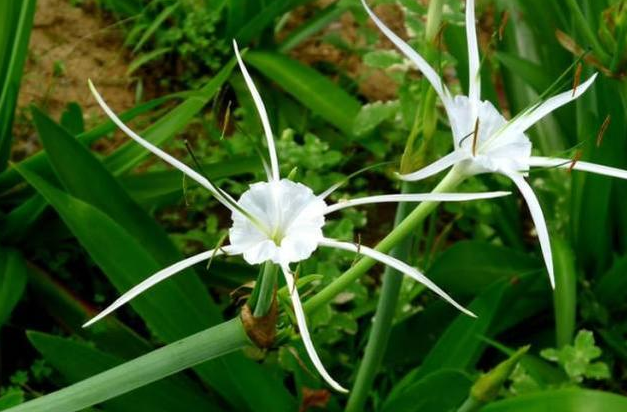
Spider Lily Growing Methods, Precautions, and How to Tell It Apart from the Poison Bulb
Spider Lily: does the name make you think it has something to do with spiders? It really has nothing to do with spiders. Let's take a look at the growing methods and precautions for the Spider Lily, and what the differences are between the Spider Lily and the Poison Bulb: Growing methods and precautions for the Spider Lily: Light: it likes plenty of sunlight and tolerates slight shade.
-
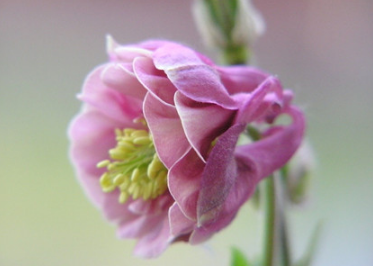
When Does Columbine Bloom: Growing Methods and Precautions
Columbine (Aquilegia) is a beautiful bloomer, quite suitable for growing in courtyards. As a plant with strong ornamental value, being admired is the best soil for it. Why not go and see columbine up close? When does columbine bloom? The flowering period of columbine
-
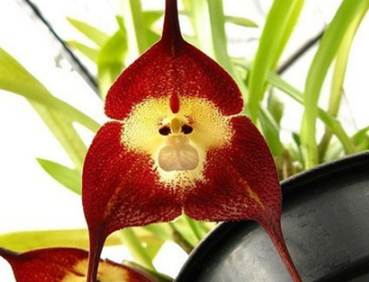
Monkey Face Orchid (Dracula simia) Growing Methods and Main Value
The Monkey Face Orchid, also called the monkey-faced orchid, is another masterpiece of nature's uncanny workmanship. It not only resembles our senior brother Sun Wukong, but also has a faint floral fragrance, making people really want to get a pot and admire it every day! Monkey Face Orchid Growing Methods Monkey Face Orchid
条件筛选