When Does Columbine Bloom: Growing Methods and Precautions
Columbine (Aquilegia) is a beautiful bloomer, quite suitable for growing in courtyards. As a plant with strong ornamental value, being admired is the best soil for it. Why not go and see columbine up close?
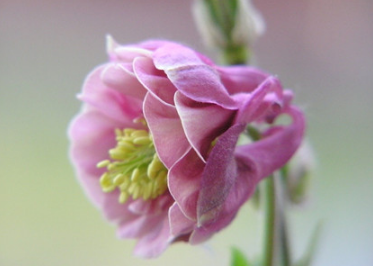
When does columbine bloom?
1. The flowering period of columbine
Columbine blooms from May to July each year. Generally, when columbine blooms, it produces 3 to 7 flowers, usually blue or purple, though there are other colors as well, and the anthers are yellow.
2. The flower language and legend of columbine
Columbine has a distinctive flower language: must succeed, determined to win. For example, the purple columbine symbolizes victory.
The legend about columbine is actually quite old. It is said that in ancient Greece, warriors joined the war to protect their homeland. War meant dangerous close-quarters combat, and the columbine growing among the rubble deep in the valleys witnessed people's wars and also witnessed the victorious side, so its flower language is victory.
Growing methods and precautions
Growing methods for columbine:
1. Pot and soil selection
For potted columbine, choose a slightly larger flower pot and put soil in it. The soil can be well-draining sandy soil or humus-rich leaf mold, and a little base fertilizer needs to be added to the soil.
2. Light and temperature
Columbine likes a cool climate, dislikes high temperatures but can tolerate cold, and needs plenty of light. When caring for columbine, keep the growing temperature between 15°C and 35°C, with moderate light, avoiding summer heat and scorching sun. At this time, shade it or place the potted columbine in a semi-shaded spot for care.
3. Watering and fertilizing
Columbine needs strengthened management with reasonable watering and fertilizing. During the vigorous growth period, give plenty of water, deciding the amount and frequency of watering based on how dry or moist the potting soil is, but avoid waterlogging. In dry weather, drain promptly, and after rain, drain water promptly, taking care to maintain a certain air humidity. For fertilizing, medium fertility is sufficient; apply fertilizer once a week, but be careful not to make the concentration too high. Note that fertilizing should stop after autumn begins. In addition, before columbine blooms, apply some phosphorus and potassium fertilizer to make the flowers more vibrant.
Precautions for growing columbine:
1. Propagation methods
Columbine is basically propagated by division or sowing. Sowing propagation can be done in spring or autumn, while division propagation is mainly done in autumn.
2. Pinching
During the growth period, columbine needs timely pinching to control plant height. After columbine finishes blooming, the spent flowers can be cut off, so that columbine can be cared for as a foliage plant.
3. Pests and diseases
The main pest of columbine is aphids, which cause significant damage and can also cause mosaic disease. In addition, there is the harm of powdery mildew, which requires timely and reasonable treatment.
Isn't the flower beautiful? Although the name contains the word "vegetable," it does not affect its beauty value at all.
Growing methods and precautions for columbine
Growing methods for columbine
Pot and soil selection
For potted columbine, choose a slightly larger flower pot and put soil in it. The soil can be well-draining sandy soil or humus-rich leaf mold, and a little base fertilizer needs to be added to the soil.
Light and temperature
Columbine likes a cool climate, dislikes high temperatures but can tolerate cold, and needs plenty of light. When caring for columbine, keep the growing temperature between 15°C and 35°C, with moderate light, avoiding summer heat and scorching sun. At this time, shade it or place the potted columbine in a semi-shaded spot for care.
Watering and fertilizing
Columbine needs strengthened management with reasonable watering and fertilizing. During the vigorous growth period, give plenty of water, deciding the amount and frequency of watering based on how dry or moist the potting soil is, but avoid waterlogging. In dry weather, drain promptly, and after rain, drain water promptly, taking care to maintain a certain air humidity. For fertilizing, medium fertility is sufficient; apply fertilizer once a week, but be careful not to make the concentration too high. Note that fertilizing should stop after autumn begins. In addition, before columbine blooms, apply some phosphorus and potassium fertilizer to make the flowers more vibrant.
Precautions for growing columbine
Propagation methods
Columbine is basically propagated by division or sowing. Sowing propagation can be done in spring or autumn, while division propagation is mainly done in autumn.
Pinching
During the growth period, columbine needs timely pinching to control plant height. After columbine finishes blooming, the spent flowers can be cut off, so that columbine can be cared for as a foliage plant.
Pests and diseases
The main pest of columbine is aphids, which cause significant damage and can also cause mosaic disease. In addition, there is the harm of powdery mildew, which requires timely and reasonable treatment.
Growing methods and precautions for Paraquilegia microphylla
Chinese name: Paraquilegia microphylla
Alternative names: False columbine, Yumo Dewujin, Yimuningjing
Latin scientific name: Paraquilegia microphylla
Family and genus: Ranunculaceae, Paraquilegia
Origin and distribution: Tibet, northwestern Yunnan, western Sichuan, Gansu, and other places
Paraquilegia microphylla has a slender cylindrical to nearly spindle-shaped rhizome, and many leaves, usually biternate compound leaves, hairless; the leaf outline is triangular-ovate, the central leaflets are broadly rhombic to reniform-broadly rhombic, green on the surface and light green on the underside; the scape is upright and longer than the leaves, the sepals are pale violet or pale purplish red, occasionally white, obovate to elliptic-obovate; the petals are obovate to obovate-oblong; the follicles are upright, the seeds are narrowly ovoid, brown, with a narrow wing on one side, smooth. It blooms from June to August and fruits from August to September. It has medicinal value.