How to Grow Calathea Roseopicta? Detailed Guide to Growing Methods and Precautions
Calathea roseopicta prefers a warm, humid, shaded environment. The optimal growing temperature is 20-30°C, and the overwintering temperature is 15°C. During the growing period, water should be supplied adequately. Water promptly when the potting soil is slightly dry. If you can frequently spray water on the ground to increase air humidity, it will grow very well, but do not let the potting soil become waterlogged, as this will affect growth and cause root rot. After autumn begins, watering should be controlled. Below, we present the growing methods and precautions for Calathea roseopicta.
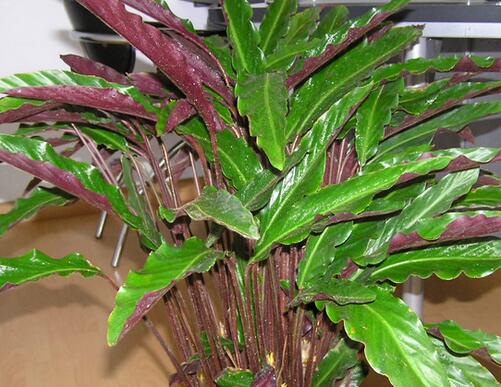
Growing Methods for Calathea Roseopicta
Best propagation time: Calathea roseopicta is mostly propagated by division, generally carried out in spring from April to May in conjunction with repotting and soil changing. Dividing too early when temperatures are too low results in slow wound healing, which easily causes rot and reduces the survival rate.
Best growing soil: For potted Calathea roseopicta, use a loose, fertile, well-draining, humus-rich, slightly acidic loam soil. Generally, a mix of 3 parts leaf mold, 1 part peat or sawdust, and 1 part sand can be used, with a small amount of soybean cake added as a base fertilizer. Avoid using heavy clay garden soil. When potting, first place a 3 cm layer of coarse sand at the bottom of the pot as a drainage layer to facilitate drainage.
Humidity requirements for growth: The suitable air humidity for Calathea roseopicta is 70%-75%, and higher humidity is required when new leaves are emerging. Therefore, during the growing season, water thoroughly to keep the soil moist but not waterlogged. In summer, spray water on the leaves 2-3 times a day, and also sprinkle water on the surrounding ground to increase humidity and lower temperature, promoting growth. In winter, watering should be controlled, and the potting soil should be kept slightly moist. In northern winters, indoor air is dry. Besides spraying and washing the leaves with clean water at a temperature close to room temperature around midday, it is best to cover the plant with a plastic film at night to keep it warm and moist. To keep the leaves fresh, neat, and radiant, gently wipe the leaves with clean water every half month.
Best growing temperature: Calathea roseopicta is not cold-tolerant. The room temperature during overwintering should not be lower than 15°C. The suitable growing temperature for Calathea roseopicta is 18-25°C. In summer, the temperature must not exceed 35°C, otherwise the plant will stop growing and the leaves will turn yellow. In winter, it must not be lower than 5°C to prevent cold damage.
Best growing light: Calathea roseopicta prefers a high-temperature, high-humidity environment and is highly shade-tolerant. The ideal light intensity is 30%-40%. #p#Subtitle#e#
Precautions for Growing Calathea Roseopicta:
Propagation key points: Calathea roseopicta is mostly propagated by division, carried out in spring from April to May in conjunction with repotting and soil changing. Dividing too early when temperatures are too low results in slow wound healing, which easily causes rot and reduces the survival rate. When dividing, remove the mother plant from the pot, shake off the old soil, and use a sharp knife to cut every 3-4 buds into 1 plant. Apply charcoal powder to the cut surfaces to prevent rot. Pot immediately after cutting and water thoroughly. Place in a semi-shaded area for recovery. After 5-7 days, normal management can be resumed. When dividing, it is best to plant 3-5 plants per pot. If only one plant is planted per pot, it is necessary to retain more than 5 leaves and bring along more roots, otherwise it will affect the survival of the plant and its growth and development after survival.
Fertilizer application: During the peak growing season, apply a dilute liquid fertilizer about every half month. When fertilizing, be careful not to apply too much nitrogen fertilizer, otherwise leaf markings will fade, leaves will thicken, and leaf stalks will become soft, among other poor growth phenomena. Generally, the application ratio of nitrogen, phosphorus, and potassium should be 1:1:1. This ratio can make the leaf color glossy and beautiful.
Potting soil replacement: Calathea roseopicta is generally repotted during spring division, once every 1-2 years. When repotting, new culture soil must be added, and residual roots and dead leaves should be pruned off before replanting to promote growth.
Pest and disease control: Calathea roseopicta has few pests and diseases, but if ventilation is poor and the air is dry, scale insects can occur. Use imidacloprid series pesticides for spraying control.
Watering precautions: In summer, spray water on the leaves 2-3 times a day, and also sprinkle water on the surrounding ground to increase humidity and lower temperature, promoting growth. In winter, watering should be controlled, and the potting soil should be kept slightly moist. In northern winters, indoor air is dry. Besides spraying and washing the leaves with clean water at a temperature close to room temperature around midday, it is best to cover the plant with a plastic film at night to keep it warm and moist. If conditions permit, a humidifier can be used to increase indoor humidity. To keep the leaves fresh, neat, and radiant, gently wipe the leaves with clean water about every half month.
Fertilizing precautions: When Calathea roseopicta lacks fertilizer, the plant is noticeably shorter, the leaf color is dull, and the golden luster is not vivid. During the growing period, apply dilute liquid fertilizer once every 20 days. The nitrogen-phosphorus-potassium ratio should be 1:1:1, which can make the leaf color glossy and vibrant. Avoid excessive nitrogen proportions. If you routinely spray 0.2% liquid fertilizer directly on the leaves every 10 days, it is extremely beneficial for sprouting and growth. Stop fertilizing in winter and summer.
How to Grow Calathea Roseopicta: Growing Methods and Precautions for Calathea Roseopicta
Calathea roseopicta is something we see often. Calathea roseopicta is used to decorate bedrooms, living rooms, offices, and other places. Do you know about it? How do you grow Calathea roseopicta? Next, follow along as we take a look at the growing methods and precautions for Calathea roseopicta.
Growing Methods for Calathea Roseopicta:
1. Calathea roseopicta is an excellent indoor shade-loving foliage plant. In the hot summer, prevent exposure to direct sunlight and shade 70%-80% of the light, otherwise damage is easily caused.
2. Calathea roseopicta prefers a warm, humid, shaded environment. The optimal growing temperature is 20-30°C, and the overwintering temperature is 15°C. During the growing period, water should be supplied adequately. Water promptly when the potting soil is slightly dry. If you can frequently spray water on the ground to increase air humidity, it will grow very well, but do not let the potting soil become waterlogged, as this will affect growth and cause root rot. After autumn begins, watering should be controlled. If air humidity is low and the potting soil is dry, the leaf edges will turn yellow and scorch. In addition, direct sunlight can also cause leaf edges to turn yellow and scorch.
3. For potted Calathea roseopicta, a mixture of equal parts leaf mold, garden soil, and river sand with a small amount of base fertilizer can be used as culture soil. The soil should be nutrient-rich, loose, and breathable. During the growing season, apply liquid fertilizer 1-2 times a month to ensure robust growth and lush branches and leaves. In addition, repot once every 1-2 years.
Precautions for Growing Calathea Roseopicta:
1. Calathea roseopicta is an excellent indoor shade-loving foliage plant. In the hot summer, prevent exposure to direct sunlight and shade 70%-80% of the light, otherwise damage is easily caused;
2. If air humidity is low and the potting soil is dry, the leaf edges will turn yellow and scorch. In addition, direct sunlight can also cause leaf edges to turn yellow and scorch;
3. Calathea roseopicta should be repotted once every 1-2 years.
More InformationThe Role of Calathea Roseopicta: Growing Methods and Precautions for Calathea Roseopicta
Calathea roseopicta is an excellent indoor shade-loving foliage plant. Do you know about it? What is the role of Calathea roseopicta? Today we will tell you about the growing methods and precautions for Calathea roseopicta.
I. Introduction to Calathea Roseopicta
Calathea roseopicta, a perennial herbaceous plant. Family Marantaceae, genus Calathea. Also known as: red-backed calathea, red-backed prayer plant, rose-painted calathea. It is an excellent indoor shade-loving foliage plant. It is an excellent foliage and flowering plant, used to decorate bedrooms, living rooms, offices, and other places, appearing quiet and dignified, and can be enjoyed for a relatively long time. Native to Brazil.
II. Growing Methods for Calathea Roseopicta
1. Soil: Calathea roseopicta prefers loose, fertile, moist, and well-draining acidic soil. For potting, a mixture of equal parts leaf mold, garden soil, and river sand with a small amount of base fertilizer can be used as culture soil. The soil should be nutrient-rich, loose, and breathable.
2. Watering: Calathea roseopicta is not drought-tolerant. During the growing season, it must be given sufficient water to keep the potting soil consistently moist, and misting the leaves should be noted; especially in summer and autumn when temperatures are higher and the air is dry, it is also necessary to frequently spray water on the leaves and surrounding areas to maintain relatively high air humidity. However, be careful not to let the potting soil become waterlogged, so as not to affect root aeration, leading to poor growth or root rot; after late autumn when temperatures are lower, watering should be controlled, keeping the potting soil slightly moist.
3. Light: Calathea roseopicta prefers shade and avoids direct sunlight. It must not be placed in sunlight, otherwise the leaves will lose green color and luster, and in severe cases, sunscald will occur; however, it should also not be placed in dark and poorly ventilated places for long periods, so as to avoid yellowing and dropping of leaves.
4. Fertilizing: During the growing season, apply liquid fertilizer 1-2 times a month to ensure robust growth and lush branches and leaves.
5. Pests and diseases: Common diseases of Calathea roseopicta mainly include leaf spot and leaf blight. In the early stages of the disease, spray 200 times Bordeaux mixture 2-3 times every half month. It can also be controlled by spraying 65% mancozeb wettable powder at 600 times dilution. Common pests mainly include scale insects, which easily occur when ventilation is poor. During the nymph stage, spray with 50% fenitrothion emulsifiable concentrate at 1000 times dilution.
III. Precautions for Growing Calathea Roseopicta
1. Calathea roseopicta is an excellent indoor shade-loving foliage plant. In the hot summer, prevent exposure to direct sunlight and shade 70%-80% of the light, otherwise damage is easily caused;
2. If air humidity is low and the potting soil is dry, the leaf edges will turn yellow and scorch. In addition, direct sunlight can also cause leaf edges to turn yellow and scorch;
3. Calathea roseopicta should be repotted once every 1-2 years.
IV. The Role of Calathea Roseopicta
Calathea roseopicta is mainly used as a potted plant for indoor decoration and is an excellent indoor shade-loving foliage plant. It is an excellent foliage and flowering plant, used to decorate bedrooms, living rooms, offices, and other places, appearing quiet and dignified, and can be enjoyed for a relatively long time.