-
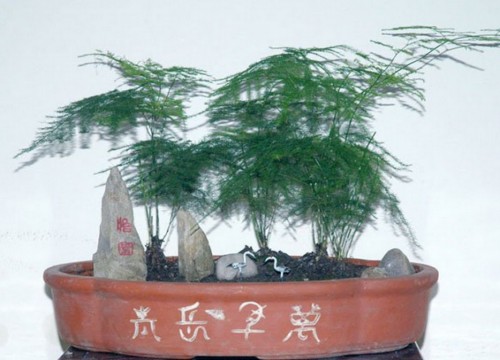
How to make an asparagus fern bonsai? Key points explained all at once
The bamboo-like posture is elegant, with slender, soft branches, distinct layers, and orderly heights, and the cloud-like foliage pads are elegant and unique, making it popular with people. If the asparagus fern is designed and composed into a bonsai displayed on a balcony or indoors, it appears even more beautiful and peaceful, adding a lot of pleasure to life. Below are the key points for making an asparagus fern bonsai.
-
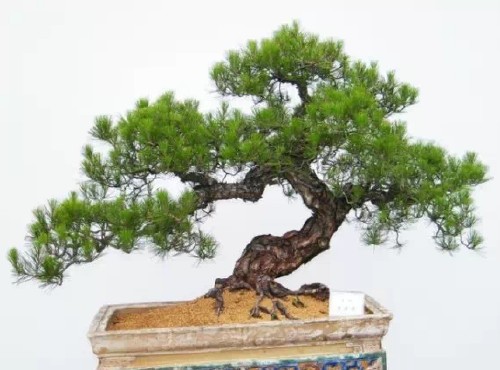
How to Make a Mountain Pine Bonsai? Key Points and Precautions Explained in Detail
Mountain pine, also known as Masson's pine (Pinus massoniana), is a common tree species. Material suitable for making bonsai is relatively scarce, and it grows slowly, making it difficult to shape and care for; however, its tree form is beautiful and can express many artistic conceptions, which makes it rather precious. Key points for making it: 1. Collecting the stump: carry this out around the Beginning of Spring (Lichun) before the resin begins to flow, keeping a soil ball and protecting the fine roots
-
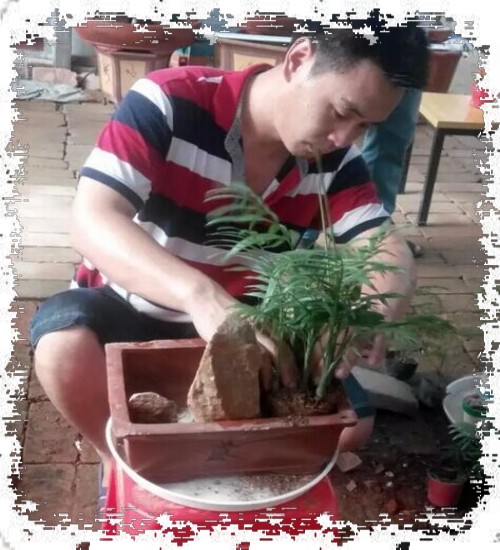
How to make a landscape bonsai? DIY illustrated tutorial explained in detail
Without further ado, today let's first look at the pictures: bamboo + Buddhist pine (Podocarpus macrophyllus) rock-and-stone bonsai; bamboo + pennywort (Hydrocotyle vulgaris) landscape bonsai; parlor palm (Chamaedorea elegans) + Buddhist pine landscape bonsai; parlor palm + Buddhist pine rock-and-stone bonsai. How do they look? After seeing the pictures above, don't you want one too?
-
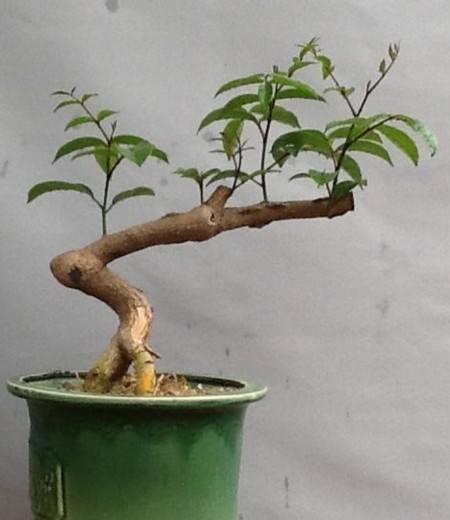
How to make a Zanthoxylum nitidum bonsai? The method and steps explained all at once
Zanthoxylum nitidum is named because both sides of the leaf midrib bear thorns. It is a traditional Chinese medicinal herb with effects such as clearing heat and detoxifying, commonly known as Liangbeizhen and Rudijinniu, and is an evergreen vine of the Rutaceae family. Because Zanthoxylum nitidum has excellent plant characteristics such as a graceful tree form, evergreen foliage throughout the year, tolerance to transplanting, and ease of survival
-
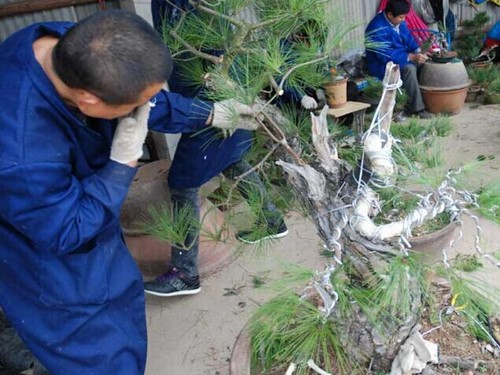
How to Make a Masson Pine Bonsai? Methods and Precautions Explained
Masson pine, also known as mountain pine, is a common tree species, but material suitable for making bonsai is relatively scarce. It is mainly used for construction, railway sleepers, mine props, board making, packing crates, furniture, and wood fiber industry (rayon pulp and papermaking) raw materials. The trunk can be tapped for pine resin, which is a raw material for medicine and chemicals. The roots are rich in resin
-
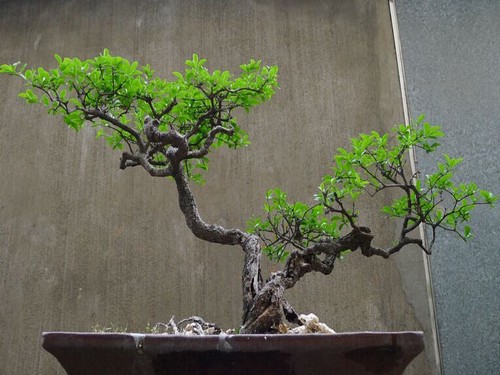
How to make a small-leaf privet bonsai? Detailed method explained
Small-leaf privet has dense branches and leaves, white flowers and purple berries, stays evergreen through all four seasons, and can be enjoyed year-round, but it looks best in spring and summer. Using its old trunk, with ancient roots and a slanting trunk, gnarled and full of varied forms, with branches and leaves styled in layer upon layer, it has even greater ornamental value. Below, let me introduce the method for making a small-leaf privet bonsai.
-
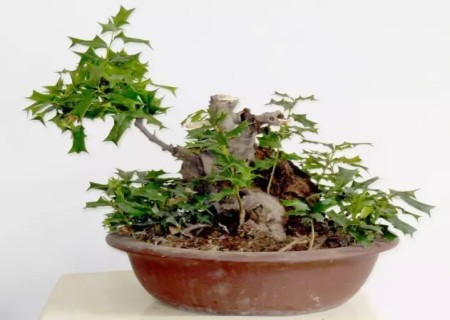
How to make a horned holly (Ilex cornuta) bonsai? Detailed method explained
Horned holly, also known as Chinese holly (Ilex cornuta) or "bird's no-roost," belongs to the Aquifoliaceae family. Its single leaves are alternate, hard and leathery, with spiny teeth along the edges, and it stays green all year round. It likes light and tolerates slight shade, is not hardy against severe cold, grows slowly, has a well-developed root system, strong sprouting ability, tolerates pruning, is dioecious, and bears spherical drupes that are bright red and gorgeous in autumn and winter
-
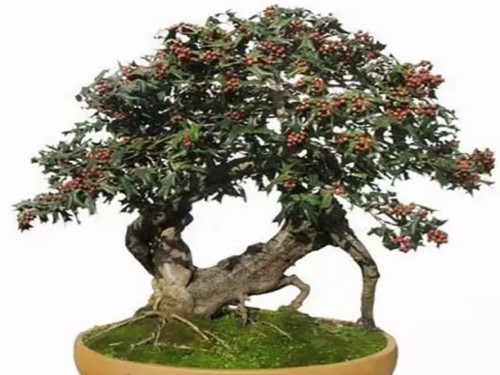
How to make a Chinese holly (Ilex cornuta) bonsai? Detailed method explained
The Chinese holly (Ilex cornuta) has dense branches and peculiar leaf shapes, and its red berries are bright in autumn. It is an excellent tree species for foliage and fruit appreciation. Old-stump bonsai have an elegant, antique posture and remain evergreen through all four seasons, making them suitable for viewing year-round. For decorative applications, it can be planted as a hedge in courtyards or grown in pots, displayed in halls and placed on stands. Because it has thorns, do not let children touch it to avoid injury.
-
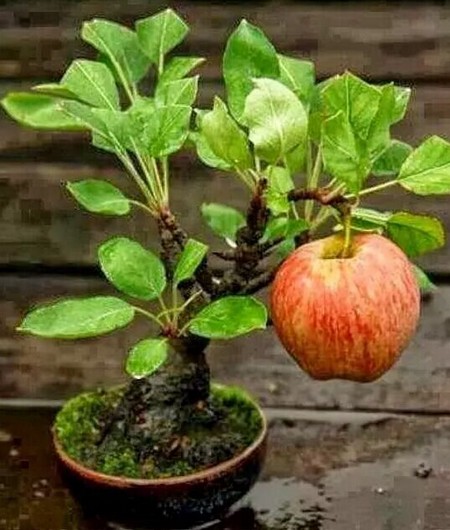
5 major characteristics of fruit tree bonsai, explained in one article
Fruit tree bonsai is a product of combining modern fruit tree cultivation techniques with traditional bonsai art, integrating flower appreciation, fruit viewing and scenery appreciation into one, so that beauty of form and beauty of abundance are displayed at the same time. In spring, the flowering branches are delicate and beautiful, gorgeous as brocade; in summer, full of vitality, crisp and ready to drip, the fruit grows from small to large, changing with each passing day; in golden autumn, the abundant fruit is a riot of color
-
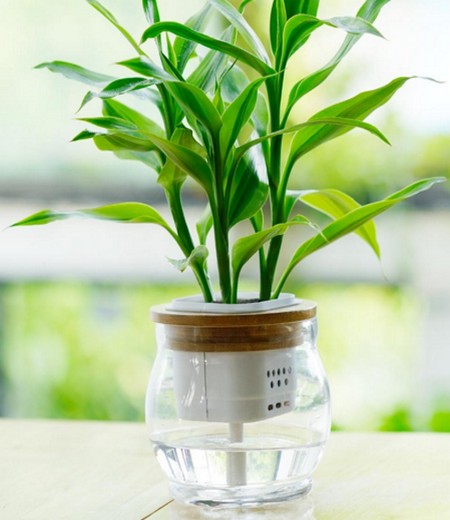
Lucky Bamboo Planting Methods and Steps Explained in Detail
If lucky bamboo is grown as a commercial ornamental, a cultivation height of 80-100 cm is appropriate. It is mostly cultivated in gardens and nurseries, prefers shade and humidity, and has thick stems and leaves. Its varieties include green leaves, green leaves with white edges (called silver edge), green leaves with yellow edges (called golden edge), and green leaves with a silver center (called silver heart). It is mainly used as a potted ornamental plant, and its stem nodes resemble bamboo but it is not bamboo.
条件筛选