-

Pear Bonsai Pruning Methods and Techniques Explained
Pear trees are suitable for making many different bonsai styles, such as the formal upright style, slanting style, curved-trunk style, double-trunk style, forest style, semi-cascade style, and trunk-on-rock style. Because the leaves are relatively large, the crown is mostly shaped naturally rather than being wired into flat pads. Because pear trees grow vigorously, with a large amount of annual growth, and the top shoots develop strongly,
-
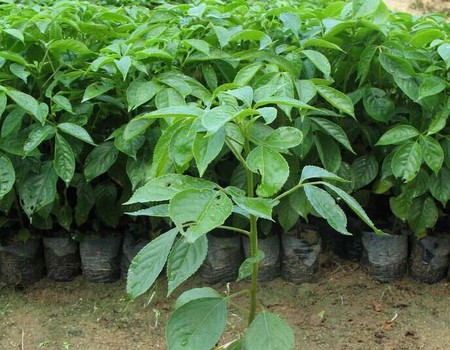
Flamboyant Tree Seed Propagation Methods and Key Technical Points Explained
Flamboyant tree, also known as flamboyant flower and fire tree, belongs to the Fabaceae family, genus Delonix. As an excellent garden ornamental tree and street tree species, the flamboyant tree is widely planted in southern regions. Its branches are elegant and leaves beautiful, with clusters of red flowers that are brilliant and eye-catching, making it beloved by landscaping departments everywhere. For this reason, we conducted observations on the growth patterns of the flamboyant tree
-
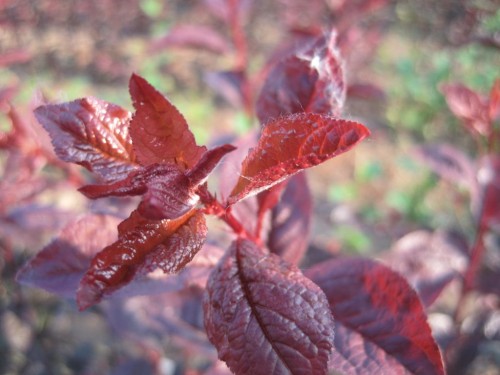
How to Propagate Purpleleaf Bird Cherry? Key Points of Propagation Techniques Explained
Purpleleaf Bird Cherry (Prunus virginiana 'Canada Red') plays an important role in urban landscaping in northern China due to its rapid establishment, easy cultivation and transplanting, and long foliage-viewing period, making it an excellent landscaping tree species. Purpleleaf Bird Cherry is a very precious colored-leaf tree species of the arbor type, with a straight trunk and a full, rounded crown, suitable for planting in courtyards, plazas, and along streets
-
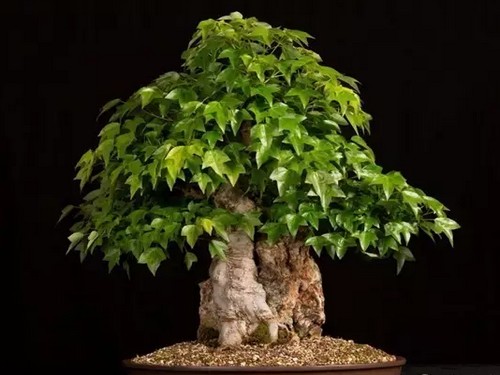
How to shape a trident maple bonsai? Detailed shaping method explained
Trident maple (Acer buergerianum) is a deciduous tree of the Aceraceae family, also known as duck-foot tree. A bonsai made from trident maple has tender leaves covering the branches in early spring, strikingly red and alluring; in early summer, green leaves are lush and graceful; in late autumn, yellow leaves fill the tree, brilliantly orange and elegant; in deep winter, leaves fall and branches are revealed, refined and noble. Because of its many advantages, it is widely used in the bonsai world.
-
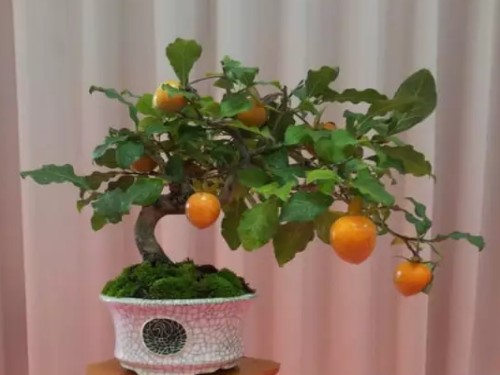
How to shape a Japanese persimmon (Diospyros rhombifolia) bonsai? Methods and techniques explained in detail
The Japanese persimmon (Diospyros rhombifolia) looks attractive, is easy to grow and easy to shape, so garden cultivation and Japanese persimmon bonsai are often seen. But apart from its fruit, the Japanese persimmon really has no ornamental value: it is a deciduous shrub with very slender branches, thorns, and rather ordinary leaves. Once it drops its leaves in winter, it is nothing but a pile of dry firewood
-
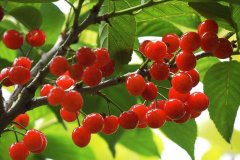
How to Choose Fresh Cherries? Nutritional Value and Benefits Explained
The cultivation techniques for greenhouse cherry trees are relatively good. Summer is a great season for cherries to hit the market. Although summer is a good season for cherries to ripen, if you want to pick delicious cherries, it is not that simple. So how should you choose them? Step one: check whether the skin is intact.
-
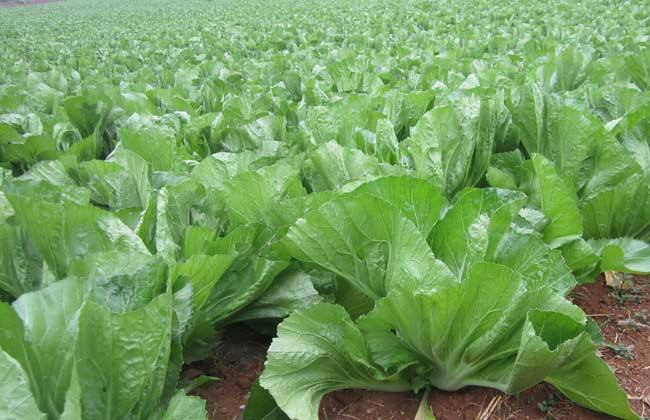
Why Does Mustard Bolt? Causes and Control Measures Explained
Causes of Mustard Bolting and Control Measures
-
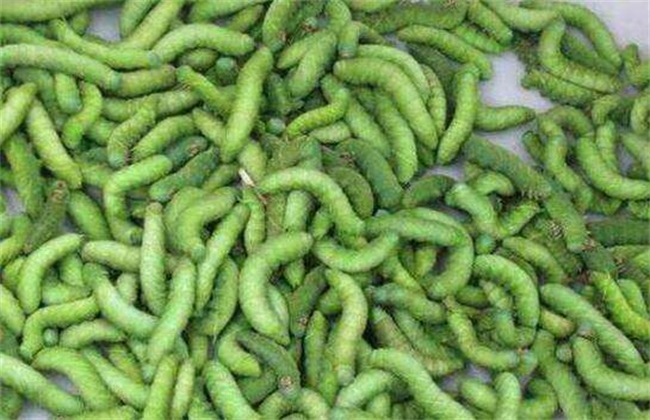
Key Points and Management Methods of Bean Worm Farming Technology Explained
Bean Worm Farming Technology
-

How to Shape a Podocarpus Bonsai? Practical Tips and Methods Explained
The Podocarpus bonsai has a lush, elegant, and vigorous tree form with an ancient, sturdy appearance. Its leaves stay fresh green in all four seasons, giving a sense of strength and noble purity. If attached to rocks and shaped into an eagle-claw-embracing-stone posture, it becomes even more antique and unique. A Podocarpus combined with bamboo and stones creates an extremely elegant landscape. A forest-style Podocarpus bonsai, paired with grazing scenery, can give people the enjoyment of rustic charm
-
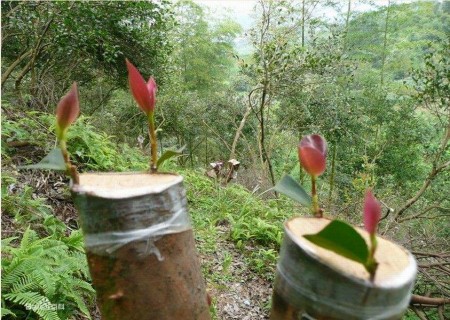
Pear Tree Cleft Grafting: Key Techniques and Step-by-Step Method Explained
Branch grafting of pear trees can be further divided into cleft grafting, tongue grafting, approach grafting and other forms, with cleft grafting and cut grafting being the most commonly used. Cut grafting is mostly carried out in early spring (mid to late March) when the trees begin to break dormancy but have not yet budded. The rootstock diameter should preferably be 2-3 cm; cut the rootstock horizontally at 2-3 cm from the base of the branch
条件筛选