-

Four Major Changes Facing Chinese Agricultural Enterprises, Explained by Agriculture Ministry Official
BEIJING, Sept. 19 (Xinhua) -- Zhang Hongyu, Director of the Department of Rural Economic System and Operation Management of China's Ministry of Agriculture, said that new features have emerged in the development situation of Chinese agricultural enterprises, which face four major changes. Zhang Hongyu spoke on Sept. 19 at the 2015 International Agricultural Business Brand Development
-
What Is Supply-Side Structural Reform? Five Questions Explained at Once
As the Central Economic Work Conference drew to a close in Beijing on December 21, 2015, supply-side structural reform became the hottest term in China's current political and economic discourse. From the fading of the "three main drivers" of investment, consumption and exports to the proposal of supply-side structural reform, this
-
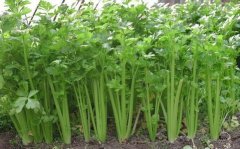
Celery Planting Methods and Cultivation Techniques Explained in Detail
Organic Celery Cultivation Methods Varieties Celery has slender, hollow leaf stalks and a strong fragrance, and can be used for stir-frying, boiling and as a seasoning. Varieties can be divided into local types: Tianwei variety (green leaves, white stalks), green tube, summer celery; and Western types (divided into green and yellow). The Tianwei variety has light green leaf stalks, few fibers, many branches, excellent quality, a strong fragrance and is not easily subject to rot.
-
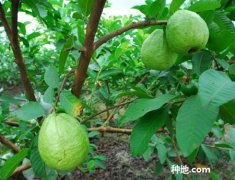
Guava Cultivation Techniques and Planting Time Explained in Detail
Organic Guava Cultivation: Selection and Maintenance of Environmental Conditions. Guava is cultivated over a considerable area in central and southern Taiwan, China, and is one of the important tropical fruit trees. Organic guava cultivation first requires good environmental conditions; the selected orchard must not have air pollution, water
-
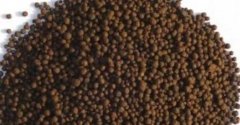
Organic Fertilizer: Definition, Types and Characteristics Explained
What types and characteristics do organic fertilizers have? Did you know? If you would like to learn about the following, take a look. The sources of organic matter can be divided into two major categories: one is farm organic fertilizer, and the other is commercial organic fertilizer. Farm organic fertilizer varies more in composition, while
-
The Benefits and Uses of Compost Explained in Detail
What benefits does applying compost have? Do you know? The nutrient source for organic crops, under the principle that chemical fertilizers must not be used, depends entirely on the use of compost. As for the nutrient content of compost, aside from itself containing a small amount of readily available inorganic nutrients, most
-
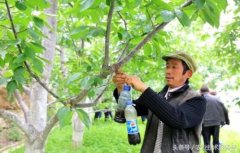
How to Make Sugar-Vinegar Solution: Formula Ratios and Functions Explained
Sugar-vinegar solution: Spraying sugar-vinegar on leaves can prevent and control pests, diseases and frost damage. After spraying vinegar solution on crop leaves, it increases leaf acidity, which in turn inhibits or kills pests and diseases that cannot tolerate acidic conditions, achieving control. According to observational research, bacterial diseases
-
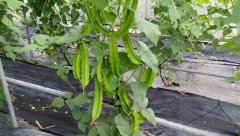
How do you get winged beans, and can you eat them raw? Everything explained in one article
Have you ever seen a bean with wings? If not, let's get to know it together. This kind of bean is not only better looking than ordinary beans, but its tender pods are emerald green, with an excellent pod shape and a crisp, fresh taste. Spring cropping can produce high-quality tender pods. Can winged beans be eaten raw? It should
-
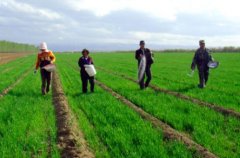
Is Laying Plastic Sheeting Useful in Field Management? Common Practices Explained in One Article
Do you know what the black plastic commonly seen in fields is for? Why do farmers lay a layer of black plastic? What are the benefits of doing so? Do you know? Let's take a look together. The presence of silver-black plastic sheeting is often seen in fields, with one plot after another completely covered to prevent
-
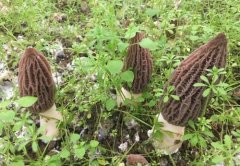
Morel Cultivation Techniques Explained: Growing Methods and Growing Conditions
What benefits do morels have? Why do so many people grow morels? And how do you grow morels? Want to know? Let's find out together. According to tests, every 100 grams of morels contains 28.1 grams of crude protein and 4.4 grams of crude fat, along with as many as 20 amino acids
条件筛选