-
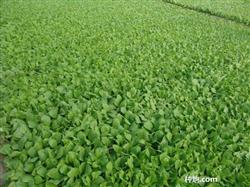
How to grow tobacco seedlings without soil? Key techniques explained
How to grow tobacco seedlings without soil? With the gradual application of soilless cultivation techniques in production, the tobacco soilless seedling technique - direct-sowing nutrient solution floating seedling cultivation (soilless seedling cultivation for short) - has been widely promoted in flue-cured tobacco production. Practice has shown that the new tobacco soilless seedling technique has the advantages of improving tobacco seedling quality, shortening the seedling period, extending the economic yield formation period of tobacco seedlings...
-

How to manage summer corn during the seedling stage? Key technical points explained in detail
How to manage summer corn seedlings well? Please provide guidance on managing summer corn. The period from emergence to jointing is the seedling stage. Its main characteristics are: aboveground growth is slow, while root growth is rapid. The central task of field management at this stage is to promote root growth, cultivate strong seedlings, and lay the foundation for high yield. Corn seedlings are sensitive to environmental...
-
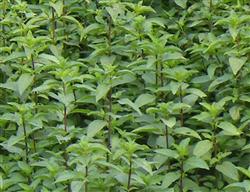
How to manage mint before and after emergence? Key technical points explained in detail
Based on many years of large-scale mint cultivation practice, effectively strengthening field management before and after the emergence of first-cut mint is an effective measure to achieve high yield, high quality and high efficiency. It can increase mint crude oil by l-1.5 kg per mu, with a net profit increase of about 100 yuan. 1. Clear ditches and improve soil moisture conditions to reduce field humidity. Mint is both afraid of drought and intolerant of waterlogging, and soil...
-
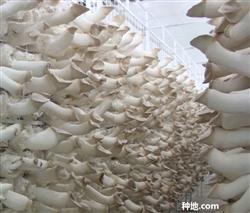
How to cultivate king oyster mushrooms in northern China? Key technical points explained
How to cultivate king oyster mushrooms in northern China? Please advise. The king oyster mushroom (Pleurotus eryngii), also known as xuerong, is a high-quality large fleshy agaric mushroom. The king oyster mushroom has thick flesh, a crisp and tender texture, and a delicious flavor, and can be called the "king of oyster mushrooms." It is rich in nutrients and high in oligosaccharides, and has intestinal-regulating and beauty benefits....
-
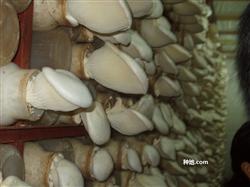
How to mix the substrate for white beech mushroom (Pleurotus nebrodensis)? Detailed method explained
How to mix the substrate for white beech mushroom (Pleurotus nebrodensis)? What should be noted? The white beech mushroom is a newly emerging mushroom species, and there are still many problems in its cultivation technology, especially the yield, which has been difficult to increase. Practice has found that the nutritional ratio of the substrate plays a vital role in increasing the yield of white beech mushroom. The nutrients added to the substrate...
-
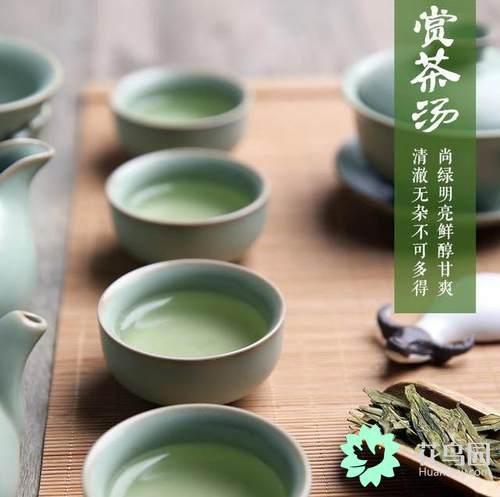
16 little-known facts about green tea, explained in detail by Tea Encyclopedia
Green tea is China's national drink and ranks first among the six healthy beverages recommended by the United Nations. Why does green tea hold such a high status? Today, the editor shares with you 16 little-known facts about green tea. Do you know all the basics about green tea? ▼ ▌01 China...
-
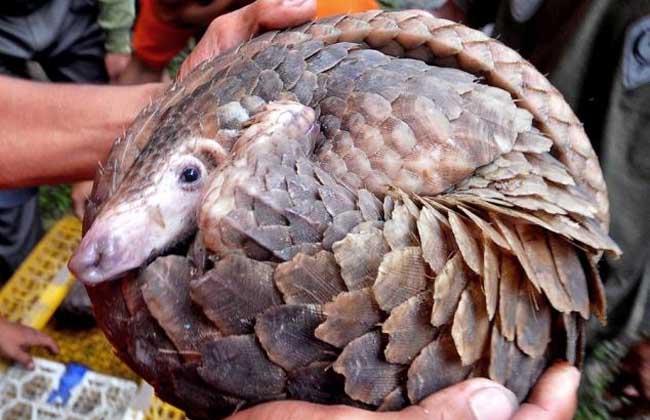
Pangolin: Benefits and Uses, Scale Prices and Breeding Techniques Explained
Pangolin Benefits and Uses_ Pangolin Scale Prices_ Pangolin Breeding Techniques
-
-
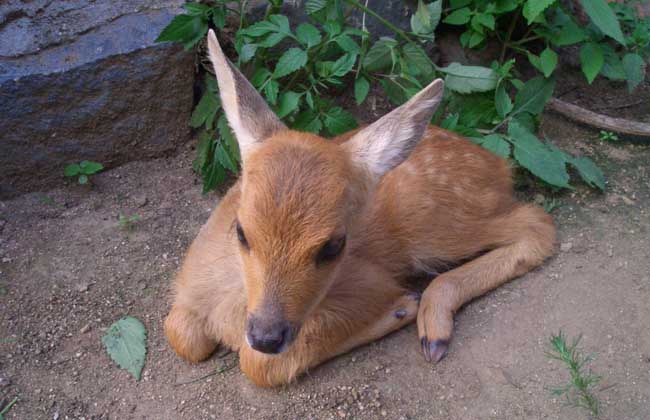
Roe Deer Farming Techniques and Market Prices Explained
Roe Deer Farming Techniques_Roe Deer Market Prices
-
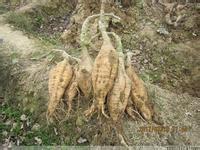
Characteristics and Artificial Cultivation Techniques of Wild Kudzu Root Explained
I. Characteristics. Kudzu root has strong adaptability, does not demand strict climate or geographical conditions, and is easy to cultivate. It is suited to a warm and humid growing environment. Kudzu root likes warmth and tolerates heat; when the average daily temperature reaches about 12°C, it begins to sprout; the suitable average daily temperature for growth is 20-33°C; 25-30°C is suitable for tuberous root formation, and 15-20°C is suitable for tuberous root...
条件筛选