How to mix the substrate for white beech mushroom (Pleurotus nebrodensis)? Detailed method explained
How to mix the substrate for white beech mushroom (Pleurotus nebrodensis)? What should be noted? The white beech mushroom is a newly emerging mushroom species, and there are still many problems in its cultivation technology, especially the yield, which has been difficult to increase. Practice has found that the nutritional ratio of the substrate plays a vital role in increasing the yield of white beech mushroom. The nutrients added to the substrate...
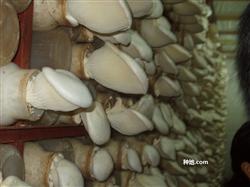
How to mix the substrate for white beech mushroom (Pleurotus nebrodensis)? What should be noted?
The white beech mushroom (Pleurotus nebrodensis) is a newly emerging mushroom species, and there are still many problems in its cultivation technology, especially the yield, which has been difficult to increase. Practice has found that the nutritional ratio of the substrate plays a vital role in increasing the yield of white beech mushroom.
The nutrients added to the substrate should be mainly organic nutrients supplemented by inorganic nutrients, which helps enhance the stamina of white beech mushroom after fruiting. Organic nutrients are generally based on wheat bran, cornmeal, rice bran, etc., generally accounting for 20-30%, and the amount added should not be too large. If the organic nutrient content is too high, one drawback is that the contamination rate is greatly increased, and the second drawback is that it affects the air permeability of the substrate, causing slow mycelial growth and delayed fruiting. Inorganic nutrients are generally monopotassium phosphate, magnesium sulfate, etc., generally accounting for 0.2-0.5%. Too much inorganic nutrient will affect the water absorption capacity of the mycelium.
To increase the yield of white beech mushroom, in addition to increasing the nutrient content of the substrate, it is also necessary to ensure that the substrate has a strong water absorption capacity. However, cottonseed hulls have a weak water absorption capacity. When using this raw material to cultivate white beech mushroom, during the fruiting period, the fruiting bodies cannot get sufficient water supply, and the marketability and specifications of the fruiting bodies are difficult to guarantee, let alone maintain a very high yield. For this situation, the substrate can be appropriately adjusted by adding 30-50% of raw materials with strong water absorption capacity such as cotton linter, corncob, etc. to the cottonseed hulls, which not only enhances the water absorption capacity of the substrate but also saves costs, killing two birds with one stone. For cultivating white beech mushroom, the suitable water content of the substrate should be 60-65%. Specifically, before substrate fermentation, the material-to-water ratio can be controlled at 1:1.5 to 1:1.6, and before inoculation, the material-to-water ratio can be controlled at about 1:1.3.
Practice has proved that adding a certain amount of lime to the substrate can promote the rapid growth of white beech mushroom mycelium. The amount of lime added can be controlled at 2-5%, so that after the substrate fermentation is completed, the pH value can generally be maintained at 8-9. It is also acceptable not to add lime, but the mycelial growth will become slow, which will have a relatively large impact on the reasonable arrangement of the fruiting season.
In short, the reasonable ratio of the substrate is a very flexible issue and should be scientifically adjusted according to local resources, so as to raise the yield and marketability of white beech mushroom to a satisfactory level as much as possible.
Click to get more white beech mushroom cultivation techniques
Click to get more edible mushroom cultivation techniques