-
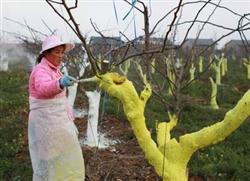
What are the pest and disease control methods for peach trees? Explained in one article
What are the pest and disease control methods for peach trees? When should which pests and diseases be controlled on peach trees? We ask experienced netizens to help explain. Peach trees are easy to grow, but their resistance to pests and diseases is weak, and they are most susceptible to damage from aphids, red spider mites, longhorn beetles, and are also prone to brown spot disease, leaf curl disease, gummosis of the trunk, etc. Therefore, Zhongdiwang has compiled...
-

What kind of fertilizer is eucalyptus-specific fertilizer? Explained clearly in one article
What is eucalyptus-specific fertilizer? An introduction to the differences. Eucalyptus-specific fertilizer, or eucalyptus fertilizer for short, is mainly designed for the rapid growth of eucalyptus, the fast nutrient cycling within the stand, and the high demand for soil nutrients, and is further formulated based on the fact that soils in southern China commonly lack trace elements such as boron and zinc. The difference between eucalyptus fertilizer and ordinary compound fertilizer lies in...
-
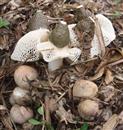
How to Grow Dictyophora indusiata (Bamboo Fungus) with Standardized Cultivation? Key Technical Points Explained
How do you grow bamboo fungus with standardized methods? What should you pay attention to? We also ask experienced growers to kindly share their know-how on standardized bamboo fungus cultivation techniques. Zhongdi Web gives a detailed introduction below for growers' reference. 1. Environmental requirements for bamboo fungus: Nutritional requirements of bamboo fungus: bamboo fungus is a nitrogen-loving fungus, and nitrogen is the raw material necessary for bamboo fungus to synthesize proteins and nucleic acids. If the nitrogen level is too low, the mycelium will not grow thick and strong, and yields will be low. Generally, bamboo powder and sawdust are deficient in nitrogen sources. When building piles for fermentation, add urea to the substrate, and apply additional urea to the cultivation site to increase nutrients in the cultivation site, promote thick and vigorous mycelial growth, and raise yields.
-
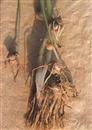
What pests and diseases affect Pinellia ternata? Key points on cultivation techniques explained
What pests and diseases affect Pinellia ternata? How do you prevent and control pests and diseases in Pinellia ternata? Please, readers, help explain. The pests and diseases of Pinellia ternata include root rot, viral disease and the red hawk moth; for detailed control methods, refer to the following list: 1. Harm and control methods of root rot in Pinellia ternata: root rot occurs easily in the hot season when water accumulates in the field...
-
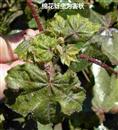
Cotton Aphid Damage and Control Methods Explained in Detail
What damage do cotton aphids cause? How are they controlled? The cotton aphid uses its piercing-sucking mouthparts to suck sap on the underside of cotton leaves and on tender growing tips, causing the cotton leaves to grow deformed and curl toward the underside. Cotton aphid damage occurs mainly at the seedling stage and the bud and boll stage. Cotton aphids that cause damage at the seedling stage are called seedling aphids, which generally delay the development of cotton seedlings, caus...
-

Jasmine Pruning Time and Method Explained in Detail
There are three main pruning times for jasmine: the growing period around Qingming, the period after flowers fade in August-September, and the dormant period before spring. During the growing period, overly dense branches need to be thinned out and overly long branches shortened; when the flowers fade, all the spent flowers and withered buds on the flowering branches need to be cut off; during the dormant period, leggy and weak flowering branches need to be cut off.
-
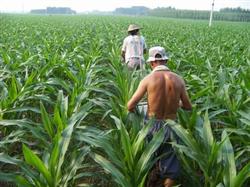
How to Apply Jointing Fertilizer to Summer Corn? Fertilization Methods and Key Points Explained
How to apply jointing fertilizer to summer corn? When is the best time to apply jointing fertilizer for good results? Please provide guidance. Summer corn generally reaches the jointing stage 18 to 21 days after emergence. The signs of entering the jointing stage, from the external morphology, are as follows: for early-maturing varieties, such as Ludan 50, Yedan 20 and Denghai 9 corn, 4 to 5 leaves are unfolded and 7 to 10 leaves are visible;...
-
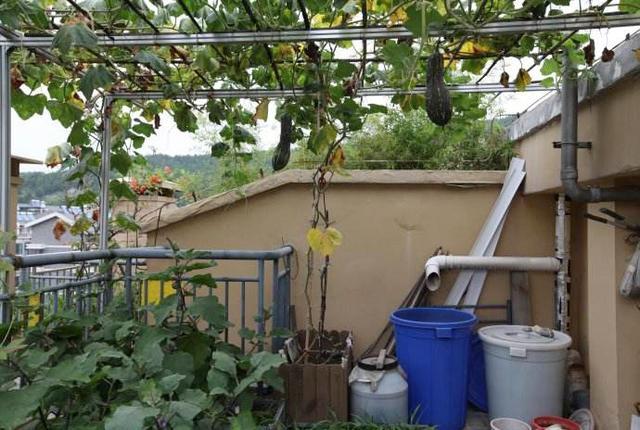
Rainwater or Tap Water for Plants? Only After an Insider Explained Did I Realize I'd Been Watering Wrong
In gardening, they say three parts fertilizer and seven parts water - get the watering right, and your flowers will naturally thrive. When it comes to watering plants, many gardening enthusiasts have already summed up plenty of experience. For example, watering should follow "dry-wet cycles" and "water thoroughly once completely dry," watering in the morning or evening is fine...
-
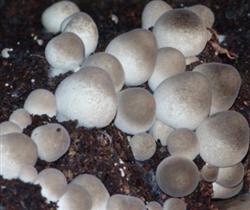
How to Grow Straw Mushrooms for Higher Yields? Practical Methods Explained
What methods can increase the yield of straw mushrooms? Please give guidance. To increase straw mushroom yields, you can refer to the following methods: Secondary inoculation. Adopting a secondary inoculation measure helps increase straw mushroom yields. Straw mushroom mycelium grows too fast and is extremely prone to aging, which weakens its vitality and prevents it from effectively using the nutrients in the substrate...
-
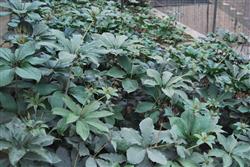
Paris polyphylla cultivation techniques shared, with practical methods explained in detail
Paris polyphylla is a perennial herbaceous plant with a long growth cycle; it takes 8 to 10 years from sowing to harvest. It is one of the main ingredients of state-protected traditional Chinese medicines such as "Yunnan Baiyao" and "Gongxuening". In recent years, with continuously increasing demand, the harvesting rate has far exceeded the rate of natural growth, causing Paris polyphylla resources to become sc...
条件筛选