-
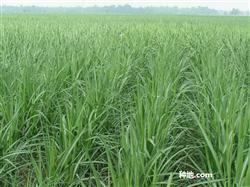
How to use herbicides scientifically? Key methods explained
How to use herbicides in sugarcane fields? I would like to ask about the chemical herbicide varieties commonly used in sugarcane fields: atrazine, simazine, oxadiazon, diuron, linuron, fluometuron, alachlor, haloxyfop, sugarcane amide, paraquat, glyphosate, etc. However, based on field observations and farmers' opinions, the safest and most efficient is the 55% sugarcane...
-
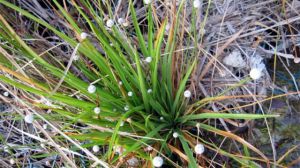
A detailed guide to the benefits and effects of Baibuti (Eriocaulon buergerianum), explained in one article
Improves eyesight: Baibuti can relieve discomfort such as dry eyes, conjunctivitis, and gritty eyes. Clears the lungs and stops cough: it can moisten the throat and relieve unpleasant symptoms such as dry, itchy throat and hoarseness. Dispels wind and dissipates heat: it can relieve symptoms such as headache, dizziness, and runny nose caused by colds. Regulates qi and quenches thirst: it can help people regain energy and also quench thirst.
-
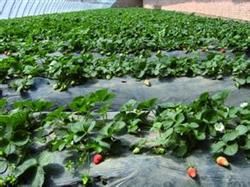
What are the principles of mixed fertilizer application? Explained clearly in one article
Implement in accordance with the provisions of NY/T 496-2002. The fertilizers used should be those already registered or exempt from registration with the agricultural administrative department. Restrict the use of chlorine-containing compound fertilizers. Permitted fertilizer types: organic fertilizers include compost, waterlogged compost, barnyard manure, biogas fertilizer, green manure, crop straw fertilizer, peat fertilizer, cake...
-
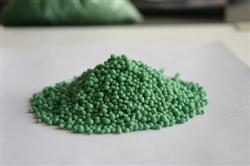
What kind of fertilizer is coated compound fertilizer? Explained in one article
Coated compound fertilizer is a plant nutrient complex formed by coating one or several plant nutrients with another plant nutrient. Its principle is similar to making "tangyuan": there is filling (core), there is skin, wrapped layer by layer, so that fertilizer coats fertilizer and multiple fertilizers are integrated into one. Coated compound fertilizer differs from ordinary compound fertilizer in five aspects...
-
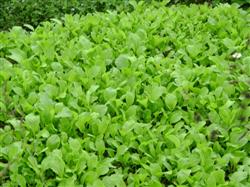
What is the principle of foliar fertilization? Explained clearly in one article
First look at the vegetable type: different vegetable types have different fertilizer requirements. For example, leafy vegetables prefer nitrogen, legumes prefer phosphorus and potassium, Chinese cabbage, cauliflower, radish and others are more sensitive to boron fertilizer, legumes and cruciferous plants are more sensitive to molybdenum fertilizer, short-term vegetables require less fertilizer, vegetables that continuously flower and fruit require more fertilizer, and root and tuber vegetables are sensitive to chloride, ...
-

What does "gilded dollar" mean? Explained in one article
By: DaDa. In New Hampshire, USA, there is a scenic tourist resort - Bretton Woods. The most famous hotel in Bretton Woods is the Mount Washington Hotel. The reason Bretton Woods became famous was a historic...
-
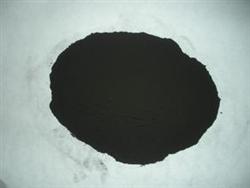
How to Apply Compound Fertilizers? Technical Key Points and Precautions Explained
Humic acid fertilizer refers to products made from peat, lignite and weathered coal as raw materials, using different production methods, to produce products containing large amounts of humic acid and the nitrogen, phosphorus, potassium and certain trace elements needed for crop growth and development. The varieties of humic acid fertilizer include ammonium humate, nitro-ammonium humate, humic acid phosphorus, ammonium humate phosphorus...
-
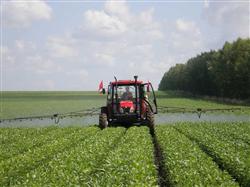
Characteristics and Application Methods of Water-Soluble Fertilizers Explained in Detail
The "7 major issues" to watch out for when applying foliar fertilizers: Issue one, the spraying concentration must be appropriate. The spraying concentration of foliar fertilizer directly affects the result; if too high, it easily burns crop leaves; if too low, it not only increases the workload but also fails to achieve the spraying effect, so during spraying it must be based on the crop...
-

Bougainvillea Cutting Propagation Methods and Techniques Explained
Bougainvillea is very well suited to the southern climate and is an easy plant to grow; just a few branches stuck in soil can propagate it. However, you need to pay attention to the following points to better ensure successful rooting.
-
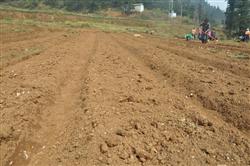
Isatis root planting methods and cultivation techniques explained in detail
How is Isatis root cultivated? Please provide the process. For the method of cultivating the medicinal herb Isatis root, you can refer to the following methods: Selection of Isatis root cultivation site: Isatis root is not suitable for planting in low-temperature waterlogged land, as it is prone to root rot after waterlogging. In order to reduce the occurrence of pests and diseases, it is advisable to ridge-cultivate with gramineous and leguminous plants. If the soil is fertile,...
条件筛选