-
What are the advantages of red-fruited elm for shaping, and how should pests and diseases be prevented and controlled?
The shaping advantages of red-fruited elm and methods for pest and disease prevention and control
-
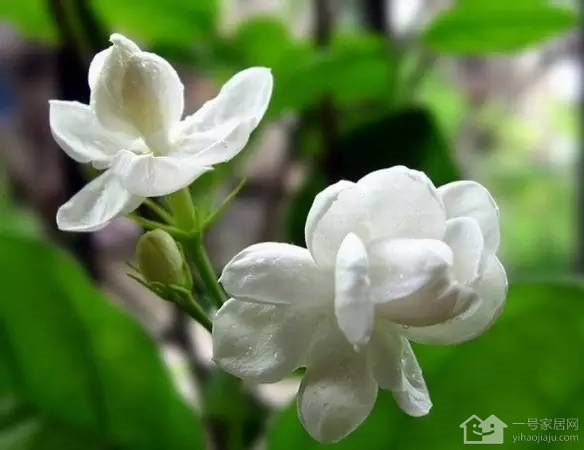
Main Pests and Diseases of Jasmine and Their Control Methods
The main diseases of jasmine are southern blight, violet root rot, and branch blight; the pests include scale insects, stem borers, red spider mites, flower bud borers, jasmine leaf borers, and others. The control methods are as follows: 1. Southern blight (1) This disease occurs easily under high temperature and high humidity conditions, so a site with good ventilation, light, and drainage should be chosen, and attention should be paid to drainage during the rainy season.
-
How to grow Sophora japonica and how to prevent and control its pests and diseases
How to grow Sophora japonica and how to prevent and control its pests and diseases
-

How to prevent and control the main pests and diseases of rhododendrons?
(1) Rhododendron diseases ① Brown spot: This is the main disease of rhododendrons. In the early stage of the disease, small brown spots appear on the leaf surface, then gradually expand into large dark brown patches, and many small black or grayish-brown dots are scattered on the lesions. Affected leaves turn yellow and fall off very easily, which not only affects flowering in the current year
-
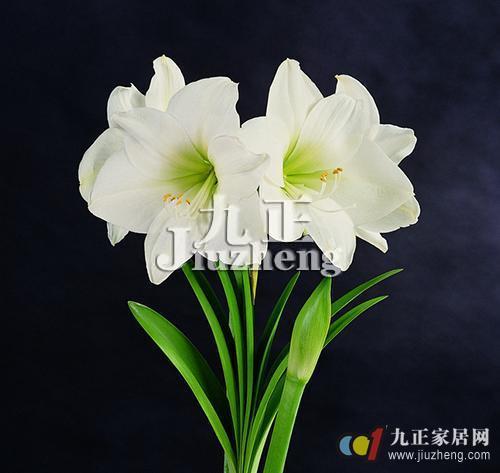
Common pests and diseases of Clivia and their control methods
Common diseases of Clivia and their control methods: 1. Soft rot: also known as rot disease, head rot, etc. It mostly occurs on the lower leaves. At first the lesions appear dark green and water-soaked, then they spread and merge into patches. The diseased leaves rot, soften and droop, and the disease spreads to the root system, causing the whole plant to topple over and the central leaves to fall off
-
Symptoms and Control Methods of Physiological Diseases in Money Tree
Diseases caused by improper management in money tree are called physiological diseases, mainly including cold injury and weak, spindly growth. Cold injury: the minimum overwintering temperature for money tree is 8°C; below 8°C, cold injury easily occurs. After being frozen, money tree tends to drop leaves, and in severe cases the whole plant dies. Branches grow weak and spindly
-
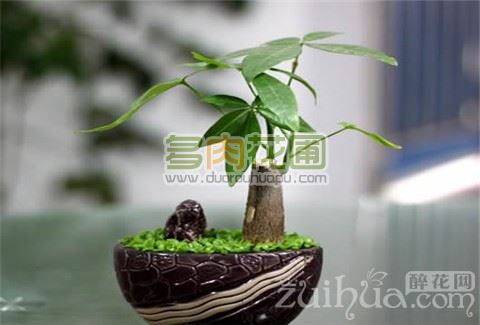
What are the tips for preventing and controlling pests and diseases on the money tree?
Common diseases of the money tree include root rot and leaf blight. Root rot usually starts from the roots or the root crown and spreads upward, with the phloem becoming soft and rot
-
Common Diseases of Money Tree and How to Prevent and Treat Yellowing Leaves
(1) Root (stem) rot ① Main symptoms: This is a common disease that seriously harms money trees, also known as decay disease, and is the most common disease of money trees. In mild cases, the leaves turn yellow; in severe cases, the entire plant dies. The disease mainly occurs on the main trunk of the money tree. In the early stage of the disease, the affected part shows small water-soaked brown spots
-
How can physiological diseases be avoided when growing Anthurium indoors?
Wild Anthurium usually grows as an epiphyte on trees or attached to rocks or the ground. Its roots absorb nutrients not only from tree bark and stones but also moisture from the humid air, so Anthurium prefers a warm environment with high air humidity and good drainage. For potted Anthurium, choose a well-draining substrate.
-
条件筛选