-

Key Technical Points for the Control of Major Insect Pests and Physiological Diseases of Chinese Bayberry
The Chinese bayberry tree is a fruit tree native to China, and its fruit has a unique flavor and is rich in nutrients, making it highly favored by consumers. However, there are many aspects to pay attention to when growing Chinese bayberry, so what are the major insect pests and physiological diseases of Chinese bayberry? What are the key technical points for their control? What are the major insect pests and physiological diseases of Chinese bayberry?
-
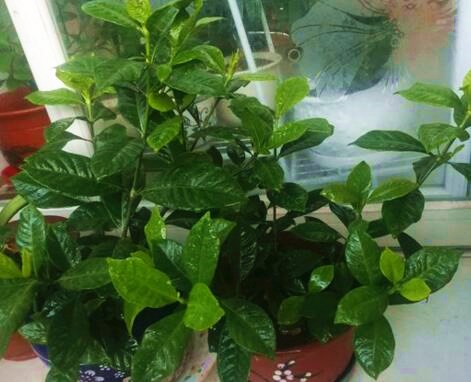
A Complete Guide to Common Pests and Diseases of Gardenia and Their Control Methods, Worth Saving
Gardenia flowers are pure white and elegant, with a rich yet refined fragrance, calm and cool, like wisps of breeze blowing through midsummer, and are deeply loved by people. So what are the common pests and diseases and their control methods in the process of growing gardenias? Gardenia leaf spot disease. 1. Symptoms. Leaf spot disease is a disease caused by fungi.
-
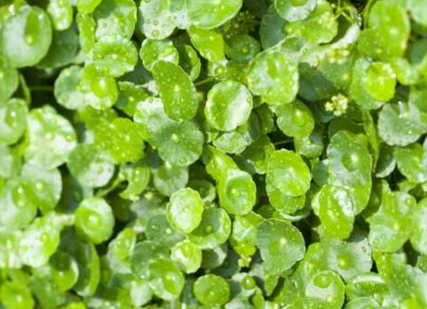
How much does Lysimachia christinae cost per jin? How do you grow it from seed? Can it treat gynecological diseases and gallstones?
Lysimachia christinae, also known as Guoluohuang and Jingmiancao, is a plant in the Primulaceae family, a perennial creeping small herbaceous plant of the order Tubiflorae, family Primulaceae, with the whole plant used medicinally. So, how much does Lysimachia christinae cost per jin? How do you grow it from seed? Can it treat gynecological diseases and gallstones? How much does Lysimachia christinae cost per jin?
-
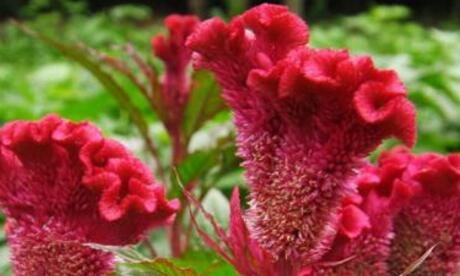
How much does cockscomb cost per jin, and can its effects and actions treat gynecological diseases?
Cockscomb, so named because its shape resembles a rooster's comb. It is also called cockscomb flower and laolaihong, widely cultivated around the world, an ordinary garden plant, and it also has high medicinal value. So, how much does cockscomb cost per jin? What effects and actions does it have? Can it treat gynecological diseases? How much does cockscomb cost per jin?
-
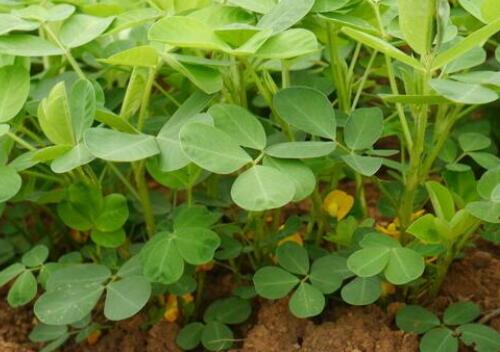
How much is peanut vine now per ton? Uses and treatable diseases explained
Peanut vine, also called peanut haulm, peanut straw, peanut pod vine, is not only rich in nutrients but also low in price and soft in texture, and can be eaten by livestock and poultry. So what is the market price of peanut vine per ton? What are its uses? What diseases can it treat? From a livestock and poultry breeding base in Shandong we learned
-
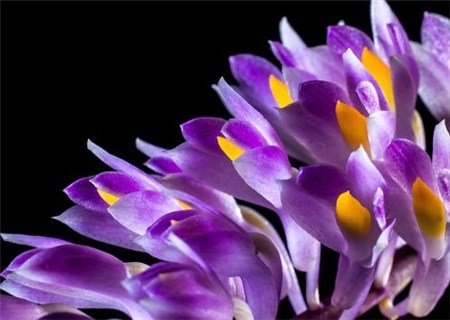
As one of the Four Gentlemen, how do you prevent and control pests and diseases in orchids? Why do they lose their fragrance? How much does one plant cost?
Orchids are herbaceous plants, symbolizing detachment and elegance. When orchids are cultivated artificially, the differences in temperature, humidity, light and air, together with unclean ambient air, make them prone to pests and diseases. So do you know how to prevent and control pests and diseases in orchids? Why do they lose their fragrance? How much does one plant cost?
-
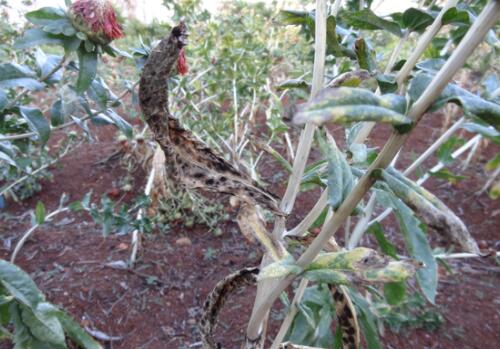
Safflower: Economic Benefits of 2018 Cultivation and Main Pests and Diseases and Their Control Methods
Safflower, also known as Honglanhua or Cihonghua, is mainly produced in Henan, Hunan, Sichuan, **, Tibet and other places. It invigorates blood and unblocks menstruation, dissipates blood stasis and relieves pain, and its flowering and fruiting period is from May to August. So what are the economic benefits of cultivating safflower in 2018? What are the main pests and diseases and their control methods? What are the economic benefits of cultivating safflower in 2018?
-
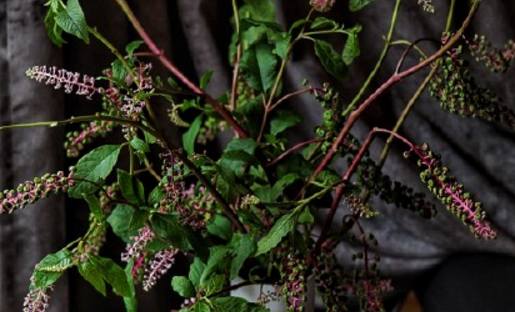
What are the uses and value of pokeweed? How to propagate it and control common pests and diseases
Pokeweed (Phytolacca acinosa Roxb.) is a perennial robust herbaceous plant of the Phytolaccaceae family and the genus Phytolacca. So what are the uses and value of pokeweed? How to propagate it? How to control common pests and diseases? According to available information, pokeweed used as green manure for fertilizing fields is very rich in nitrogen, phosphorus and potassium
-
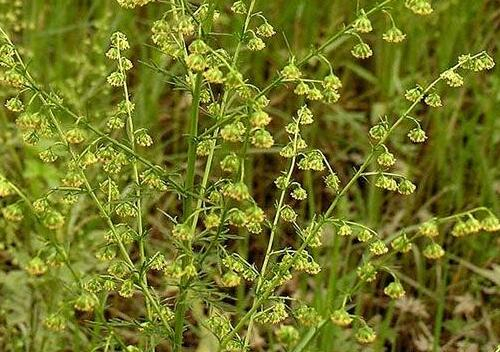
What diseases can sweet wormwood treat, its effects and functions, and how it differs from annual wormwood
Sweet wormwood, also known as fragrant wormwood, grass wormwood, bitter wormwood, etc., is a common annual herbaceous plant found in valleys and along riverbanks. It grows taller than other Artemisia plants and is widely used medicinally because of its effects in relieving summer heat, stopping bleeding and cooling blood, and fighting bacteria.
-
How to prevent and control common flower diseases and pests? All the practical methods are here
The flowers we cultivate today, whether woody plants or herbaceous flowers, were all introduced from the wild into artificial cultivation. Under long-term careful artificial management, the stress resistance of flower plants gradually declines; from fearing no wind or rain, accustomed to braving the elements, they become delicate and fragile, unable to withstand the slightest wind. Therefore
条件筛选