-

Identification and Control Methods for Common Pests and Diseases of Serissa
(1) Damping-off: This disease is caused by infection by the fungi Pythium aphanidermatum and Pythium ultimum, and is a seedling-stage disease that seriously threatens the growth of Serissa. On affected seedlings, water-soaked lesions first appear at the base of the stem, then turn brown and become sunken and shrunken; afterward the diseased area rapidly girdles the stem, causing the seedling to collapse. Finally the diseased seedlings rot and dry up.
-
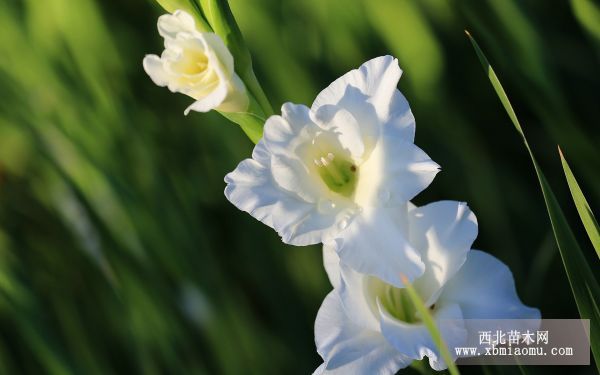
What pests and diseases affect gladiolus? Detailed guide to prevention and control methods
The main pests and diseases of gladiolus include corm rot, fusarium wilt, rust, nematodes and root mites. Prevention and control of corm rot: this is a disease that frequently occurs during corm storage. Initially, light brown slightly sunken and wrinkled lesions appear on the corms, which shrink and become dry and hard, with a blue-green mold layer forming on them. After planting, the plants either fail to sprout or grow abnormally
-
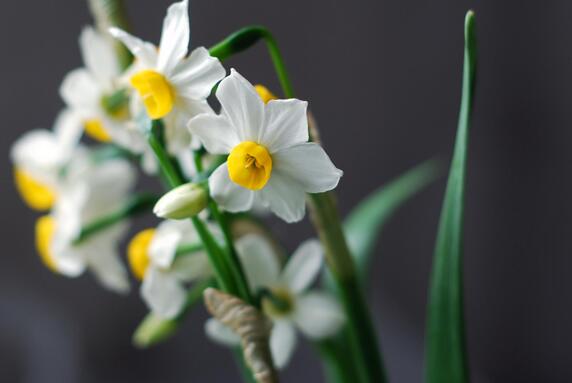
What are the main pests and diseases of daffodils? How are they controlled?
The main pests and diseases include large brown spot disease (leaf spot disease), bulb rot, nematode disease, the narcissus fly, and the bulb mite (Rhizoglyphus echinopus), among others. The control methods are as follows: (1) For large brown spot disease, from March to May, spray once every 10 days with a 700x dilution of 75% chlorothalonil wettable powder, or a 100x dilution of equal-amount Bordeaux mixture
-

Anthracnose Control in Hyacinths and Common Plant Diseases and Integrated Pest and Disease Management
[Symptoms] It causes leaf tips to die back or produces large brown spots on leaf surfaces and petals. It mainly damages leaves and flower stalks. When leaves are infected, the lesions mostly occur on the underside of the leaves, initially appearing as brown round spots with indistinct edges, expanding outward in concentric rings, with purplish-brown edges and a light brown center; in the later stages, small black dots appear on the diseased areas
-

Identification and Control Methods for Common Pests and Diseases of Cymbidium Orchids
The common diseases of Cymbidium orchids mainly include phytophthora disease, soft rot, root rot, anthracnose, leaf blight, sooty mold, and viral disease; the main pests include scale insects and snails. (1) Control of phytophthora disease. Spray with a 500-fold solution of 80% zineb.
-
Common Physiological Diseases in Carnation Cultivation and Their Prevention Methods
The main physiological diseases in carnation cultivation include split calyx, bent flower heads and albino leaves. The first two in particular can significantly reduce cut flower quality. (1) Split calyx. Large-flowered varieties are more prone to split calyx than medium-flowered varieties, sometimes with more than 50% of flowers affected
-
Key points of peach tree management techniques: what fertilizer to use for topdressing, and how to prevent and control pests and diseases
Key points of spring management for peach trees
-
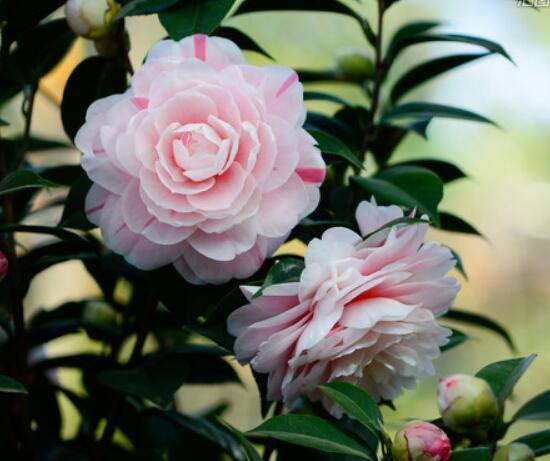
How to prevent and control camellia pests and diseases? A full breakdown of practical control methods
Camellia leaf spot disease occurs severely during the plum rain season in the south. First, small silvery-gray round spots appear on the leaves, then they grow larger and larger, and finally many lesions merge together, producing many small black dots on top. These black dots are the conidia of the pathogen, and when they fall onto other leaves they can continue to cause disease, expanding the infection.
-
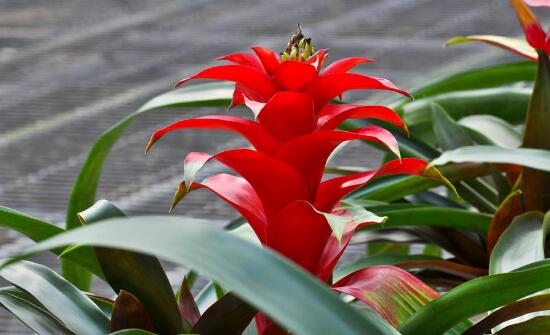
How to prevent and control common pests and diseases of the bromeliad (Guzmania)?
The most common diseases of the bromeliad are heart rot and root rot. In plants affected by heart rot, the tissue at the base of the leaf cup softens and rots, with a foul odor. In plants with root rot, the root tips turn blackish-brown or rot. Poor drainage of the growing medium or overwatering, water pH that is too high, poor ventilation during seedling packaging, and seedlings left piled up too long before planting
-
What diseases are prone to occur in cut-leaf asparagus fern?
The small branches of asparagus fern turn yellow but do not fall off, mainly caused by insufficient nutrients in the potting soil and malnutrition. Some cases are due to the potting soil being hard and compacted, poor aeration, and reduced root vitality. In addition to repotting in spring with organic-rich potting soil, the surface of the potting soil should be loosened frequently, and fertilization should be strengthened.
条件筛选