How to grow Sophora japonica and how to prevent and control its pests and diseases
Sophora japonica (Japanese pagoda tree) is a tree species commonly seen along roadsides, in landscape design and in courtyard greening. Its tree shape, branches and leaves, flowers and fruit all have fairly high ornamental value, and it is also relatively easy to grow.
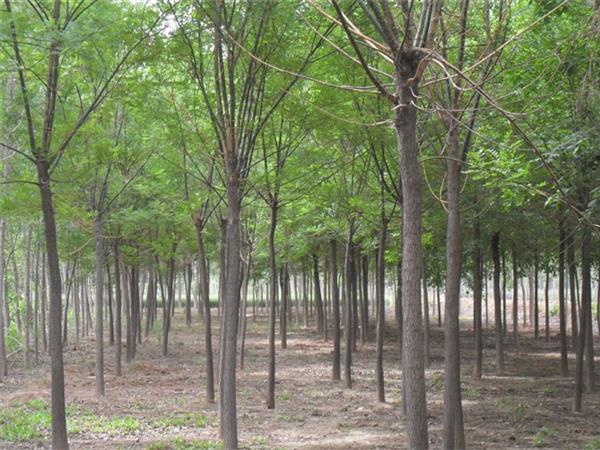
I. Points to note when sowing Sophora japonica
1. Before sowing, the choice of planting soil and environment is very important. Flat terrain, fertile soil and deep soil layers are best, and raising seedlings in dry, barren or waterlogged nursery land must be avoided. Secondly, seed treatment is also very important. Before sowing, it is recommended to treat the seeds by soaking or by sand storage.
2. Soak the Sophora japonica seeds in hot water at 80°C, stirring the water constantly with a tool until the water temperature reaches 45°C. The seeds need to be soaked for one day, and you will see the seeds begin to swell. Take the seeds out and cover them with a wet cloth to promote germination. It must be stressed here that if the seeds have not swollen, simply repeat the above steps until they do. Once the seeds show signs of sprouting, they can be sown.
3. Put the Sophora japonica seeds into sand about 12 days before sowing. However, before putting them into the sand, first soak the seeds in water for 24 hours. After 24 hours, put the seeds into the sand; a plastic basin or similar tool can be used. The seed volume should make up one third of the sand. Stir evenly, cover with plastic sheeting, and turn and loosen the soil once every day. Once the seeds germinate, they can be sown. Generally, sowing in spring is best.
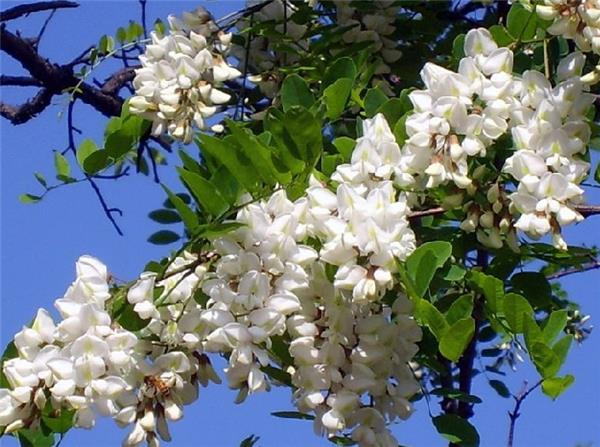
II. Growing and care techniques for Sophora japonica
Watering: Water according to soil moisture. Water less before seedlings emerge, and often keep the soil surface moist, but prevent the soil from caking, which causes uneven emergence. The best times to water are morning and evening, and gentle flood irrigation is advisable to prevent seedlings from being washed down or silted up. Before the soil freezes, irrigate thoroughly with water for overwintering.
Topdressing: For topdressing, grasp the technical essentials of "from dilute to concentrated, small amounts several times, timely and appropriate, and clever application in stages." During the rapid growth period of the seedlings, apply urea in small amounts several times along with rain, no more than 5 kg per mu each time. Urea, potassium dihydrogen phosphate and so on can also be sprayed on the leaves.
Loosening soil and weeding: To prevent the soil from caking, and to stop weeds from competing with the seedlings for fertilizer and water, improve aeration conditions and promote root development, loosen the soil and weed in good time. Adhere to the principle of "weed early, weed small, weed completely." Pull weeds by hand between the plants to avoid injuring the seedlings, and remove weeds between the rows together with loosening the soil, mostly after watering or after rain.
Thinning: When the seedlings grow to 15 cm high, pull out the overly dense and weak seedlings. Thin in 2 to 3 rounds, and set the final spacing at 10 to 15 cm between plants.
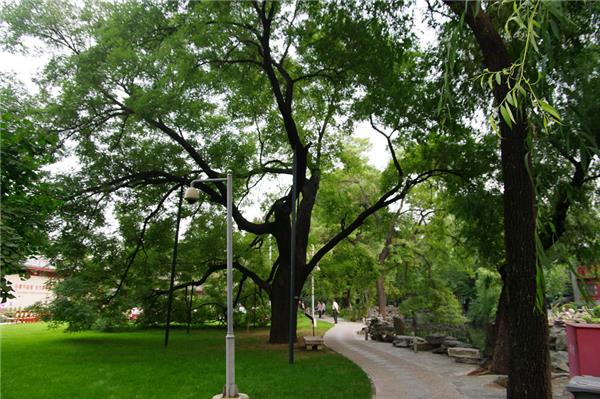
III. Pest and disease control for Sophora japonica
Sophora aphid: It occurs in multiple generations a year. Adults and nymphs gather on tender shoot tips, inflorescences and pods, sucking sap. The damaged tender shoots shrivel and droop, hindering terminal growth, and severely affected inflorescences cannot open and die, while also inducing sooty mold. For control, lime sulfur mixture can be sprayed in autumn and winter to kill overwintering eggs. When aphid numbers are large, spray 40% omethoate, 50% malathion emulsion or 40% acephate at 1000 to 1500 times dilution, or spray derris extract at 1000 to 2000 times dilution, 10% imidacloprid wettable powder at 3000 to 4000 times dilution, or 2.5% deltamethrin emulsion at 3000 times dilution.
Sophora geometrid: It overwinters as pupae in the loose soil around the trees. Larvae and adults nibble the tree leaves, causing notches in the leaves, and in severe cases almost all the leaves of the whole tree are eaten bare. After leaf fall and before bud break, dig out the pupae in the loose soil under and around the tree crown to kill the overwintering pupae. For biological control, Bacillus thuringiensis emulsion at 600 times dilution can be used.
Sophora leaf moth: It causes the compound leaves of the tree to dry up and fall off, and in severe cases bald tops and dead tips appear in the crown. During the pest outbreak period, spray 40% acephate emulsion at 1000 to 1500 times dilution, 50% fenitrothion at 1000 times dilution, or 50% malathion emulsion at 1000 to 1500 times dilution.
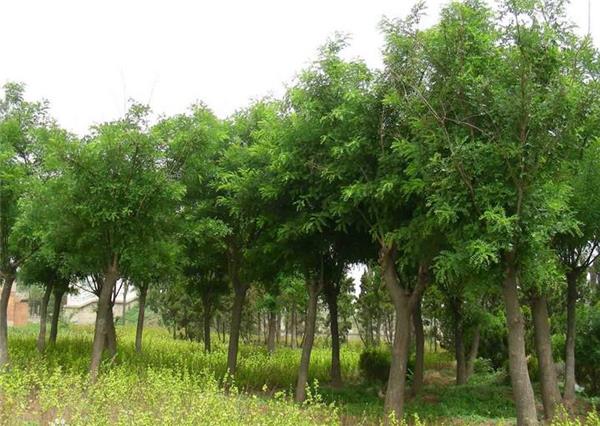
Overall, Sophora japonica is a tree species with a relatively long lifespan and fairly tenacious vitality, so it is relatively simple to grow. If you have a suitable place such as a courtyard at home, any friend interested in Sophora japonica can try growing it.