-
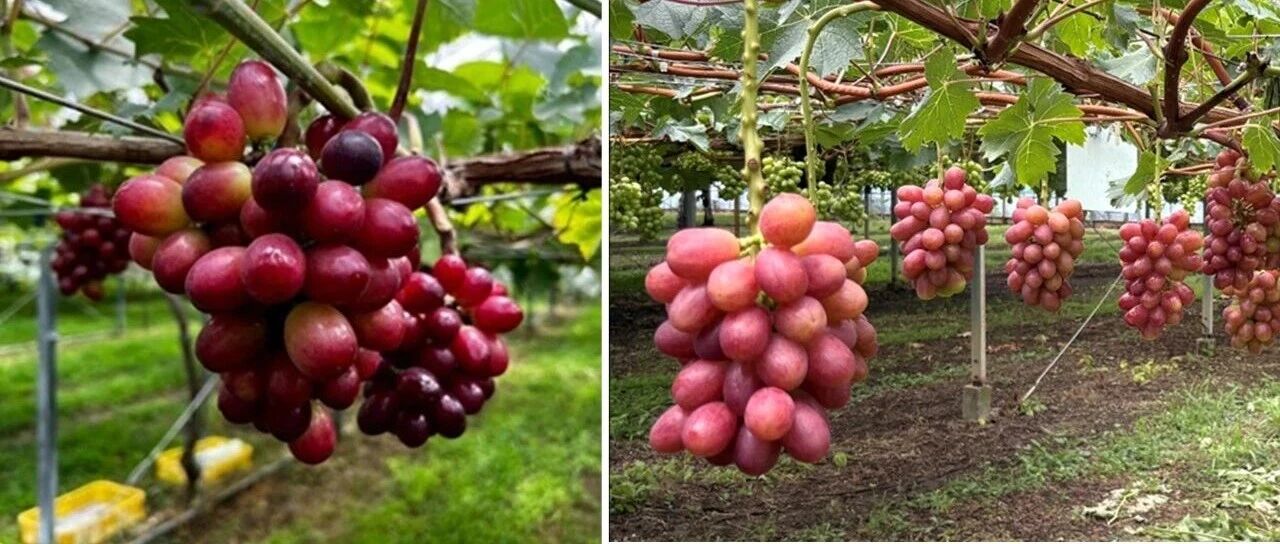
Aichi Prefecture, Japan, releases two new heat-tolerant grape varieties, Amethyst and Ruby, with market launch expected in 2031
The Aichi Prefectural Agricultural Research Center in Japan has released two new heat-tolerant grape varieties, Amethyst and Ruby. They are early-ripening with large berries, can be eaten with the skin, and can be grown seedless. Supply of nursery plants is scheduled to begin in December 2027, with market launch expected around 2031.
-

When does the high-incidence period for Phalaenopsis pests and diseases occur, and what should be noted for prevention and control?
When it comes to Phalaenopsis (moth orchid), the flowers are certainly beautiful, but if pests and diseases strike, that is really frustrating. Many people wonder why a perfectly healthy flower suddenly wilts while they are caring for it. In fact, its illnesses are not without patterns, and there are certain periods when problems are especially likely to arise. The transition between spring and autumn each year is when Phalaenopsis pests and diseases
-

Flower growing costs may rise in Europe due to US tax increases
Recently, according to German AMI data, last year Germany's flowers and ornamental plants grew by 1% yuan compared with the same period the previous year. It is not hard to see that the growth was relatively slow, and at the same time sales in its sub-sectors all declined year on year. In fact, the slow growth in flower sales is somewhat related to the overall economic environment.
-
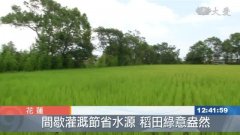
Intermittent Irrigation Method for Rice Saves Water and Increases Yield: Taiwan Agricultural Research Institute Trials Succeed
Agricultural Research Institute's Intermittent Irrigation Method: Success in Saving Water and Boosting Rice Yields. With water conditions severe, the rice farming industry, which relies heavily on water resources, is hit first. An organic smallholder farmer in Hualien uses the intermittent irrigation farming method, an alternating wet-and-dry irrigation model for rice that saves 30% of cultivation water and also increases the rice
-
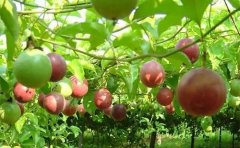
Passion Fruit Anthracnose: Control Products and Planting Precautions
How should pests and diseases of passion fruit be handled? Do you know? Let us take a look together. Recommendations: Testing found no occurrence of pathogenic bacteria or insect bodies; based on the pattern of damage, it is judged that this may be related to cultivation management. Please note whether the abnormality was found within 3 days after applying the product,
-
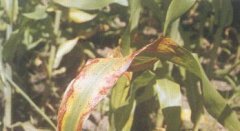
Causes, Symptoms and Control Methods of Sorghum Sheath Blight
What causes sorghum sheath blight? What are its symptoms? How should it be controlled? Let's take a look together. Symptoms: It mainly damages the leaves and the base of the stem. On the leaf sheaths near the ground level, small white-green water-soaked lesions first appear, then expand into oval shapes, with brown margins and lighter centers. Lesions on the leaves appear grayish-green or grayish-white and cloud-like, and most of the lesions merge into a tiger-stripe pattern, causing the entire leaf to wither and die.
-
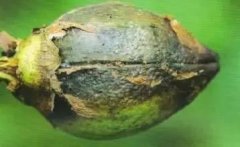
Common diseases of cotton bolls and control methods for cotton boll blackening
Do you know what diseases can occur during cotton cultivation? Below we introduce the most common cotton boll blackening disease. Do you know this disease? What do the symptoms of this disease look like on cotton? What are the control methods? Let's take a look together.
-
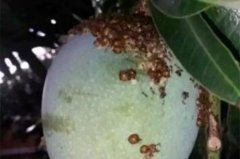
Symptoms, Damage and Control Methods of Coconut Scale Insects
What is the damage caused by the coconut pest Pseudaulacaspis? How should it be controlled? Ecological habits: there may be 10 generations per year, and 1 generation lasts about 33 days. It usually reproduces by parthenogenesis; the mother insect lays eggs under the scale around her body, the egg-laying period is 8 to 10 days, and each female can
-
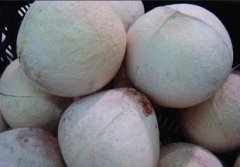
Symptoms, disease ecology, and management of sooty mold on coconut
What do the symptoms of sooty mold on coconut look like? What is its disease ecology? Would you like to learn about it? Symptoms: On the lower or upper surface of the leaves, black soot-like mycelium is produced; in severe cases it forms a whole black covering that blankets the leaves, seriously affecting the normal physiological function of the leaves.
-
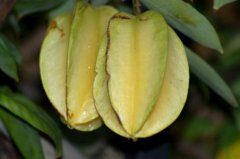
What are the control methods for the flower ladybird leaf roller moth on carambola?
The flower ladybird leaf roller moth belongs to the order Lepidoptera and is a pest that harms carambola. So how do we control the damage caused by the flower ladybird leaf roller moth pest? What are the ecological habits of this member of the order Lepidoptera, and what do the symptoms of damage look like? Ecological habits: The flower ladybird leaf roller moth belongs to the order Lepidoptera, commonly
条件筛选