-
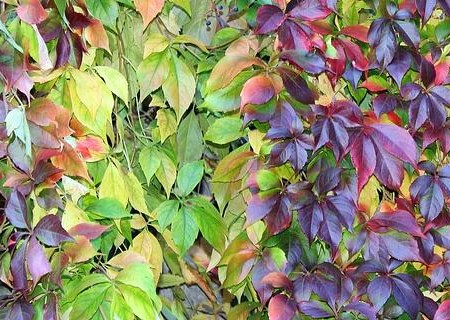
Boston Ivy Seed Planting Methods, Uses, and Differences from English Ivy
Boston ivy is a common name for several plants - also known as kunshilong, maple vine, little bug lying grass, red silk grass, red kudzu, crawling mountain tiger, red grape vine, and bashanhu - a plant in the grape family (Vitaceae). Do you know the seed planting methods for Boston ivy? What uses does it have? How does it differ from English ivy? It commonly climbs on walls and rocks.
-
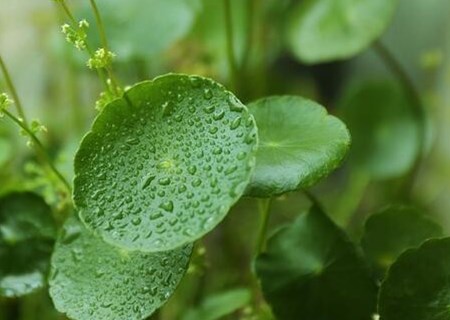
Pennywort, also known as Chinese marshweed (Hydrocotyle sibthorpioides), seed planting method, benefits, and differences from Lysimachia christinae
Pennywort, also known as Chinese marshweed (Hydrocotyle sibthorpioides), is used whole as medicine; it relieves pain, clears heat, and drains dampness, and treats abdominal pain, difficult urination, eczema and other conditions. It prefers warm, humid conditions and grows best in loose, well-draining potting soil, and can also be grown hydroponically. So do you know what the seed planting methods for pennywort are? What benefits and effects does it have?
-
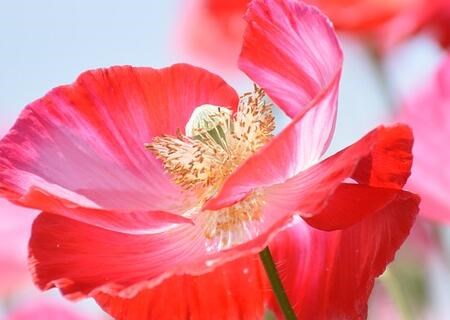
Corn Poppy Annual Herbaceous Plant Seed Planting Method, Differences from Opium Poppy, and Price
Corn poppy (Papaver rhoeas), an annual herbaceous plant, whose flowers and whole plant are used as medicine, contains various alkaloids and has antitussive, antidiarrheal, analgesic and sedative effects. As an ornamental plant, it is commonly cultivated throughout China. So do you know what the seed planting methods for corn poppy are? What is the difference from opium poppy? What value does it have?
-
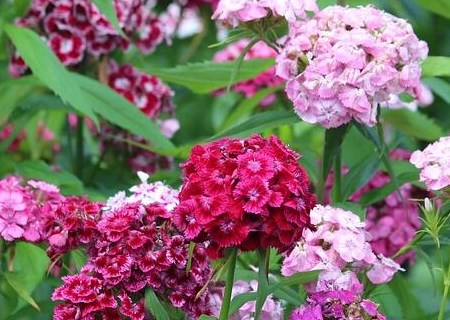
How to Grow Dianthus barbatus (Sweet William) from Seed, Differences from Dianthus chinensis, and Winter Cold Hardiness
Dianthus barbatus, also known as Sweet William, is a perennial herb in the Caryophyllaceae family. In landscaping, Sweet William can be used in flower beds, flower borders, raised flower platforms, or as potted plants, and can also be used to accent rock gardens and lawn edges. So do you know what the seed planting methods for Dianthus barbatus are? What is the difference from Dianthus chinensis? Is it cold-hardy in winter
-
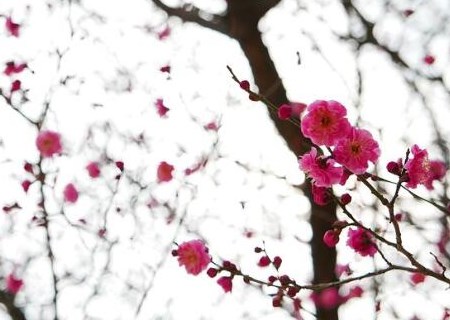
How to Grow Red Plum from Seed? Differences from Wintersweet and a Detailed Price Guide per Tree
Red plum is a type of plum blossom. This plant can be used in gardens, green spaces, courtyards and scenic areas, and can be planted alone, in clumps or in groups; it can also be planted naturally in front of houses, on slopes, beside rocks and along roadsides. So do you know what methods there are for growing red plum from seed? What is the difference from wintersweet? And how much does one tree cost
-
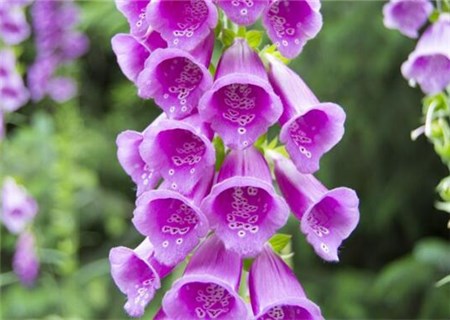
Foxglove (Digitalis) Seed Sowing Time and Planting Methods, and How It Differs from Lupine
Digitalis: also known as foxglove, poison herb, purple foxglove, and bellflower, native to the central and southern mountainous regions of Europe. It is now widely cultivated in places such as Zhejiang, Shanghai, Jiangsu and Shandong in China. So do you know when foxglove seeds should be sown? What are the planting methods? And how does it differ from lupine?
-
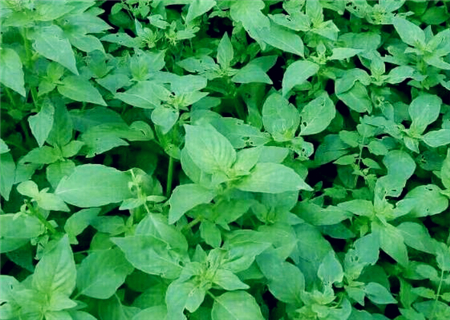
When is the best month to plant Schizonepeta? Differences from basil and balcony planting methods
Schizonepeta, one of the commonly used Chinese herbs, also known as: Xiangjingji, Xianji, Silengganhao, Jiasu, is a perennial plant of the Lamiaceae family, Schizonepeta genus. So when is the best time to plant Schizonepeta? Which months can it be planted? What are the differences from basil? The best time to plant Schizonepeta seeds is from September to November each year
-
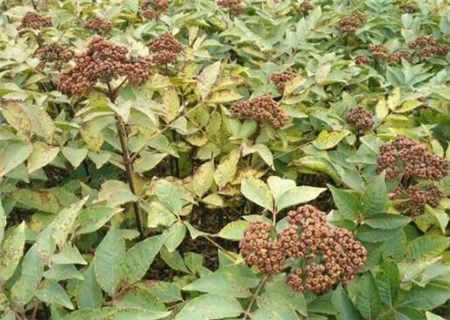
Cultivation Methods for Wu Zhuyu (Evodia rutaecarpa) of the Rutaceae Family, Its Differences from Shan Zhuyu (Cornus officinalis), and Poisoning Rescue
Wu Zhuyu is a plant of the Rutaceae family; the nearly ripe fruits of Evodia rutaecarpa and its varieties are a commonly used traditional Chinese medicine. It has a long history of cultivation in China. So do you know what the cultivation methods for Wu Zhuyu are? What is the difference between it and Shan Zhuyu? How do you rescue someone from poisoning? Wu Zhuyu Cultivation Methods
-
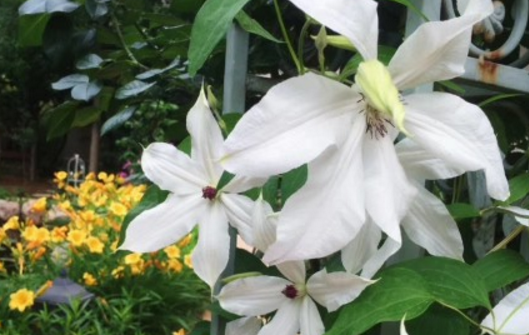
Clematis Cultivation Methods and Precautions: Winter Taboos and Differences from Clematis patens
Clematis likes fertile, well-drained alkaline loam soil and dislikes waterlogging. So what are the cultivation methods and precautions for clematis? What are the winter cultivation taboos? What is the difference from Clematis patens? According to available information, clematis has strong cold tolerance and can withstand low temperatures of -20°C. However, it often suffers from leaf-eating pests such as red spider mites.
-
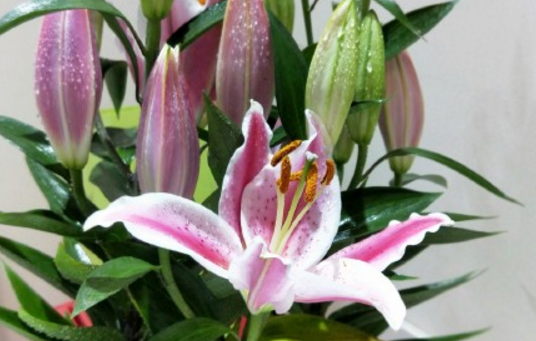
How is Lycoris squamigera (resurrection lily) cultivated and propagated, and how does it differ from Lycoris sprengeri?
Lycoris squamigera likes to grow in sunny, moist environments, such as shady damp hillsides, rocks and under rock cliffs. So what cultivation methods are there for Lycoris squamigera? How does it differ from Lycoris sprengeri? How is it propagated? According to the available information, Lycoris squamigera rather likes light, and it is suited to growing in moist environments. However, it can tolerate partial shade and drought.
条件筛选