-
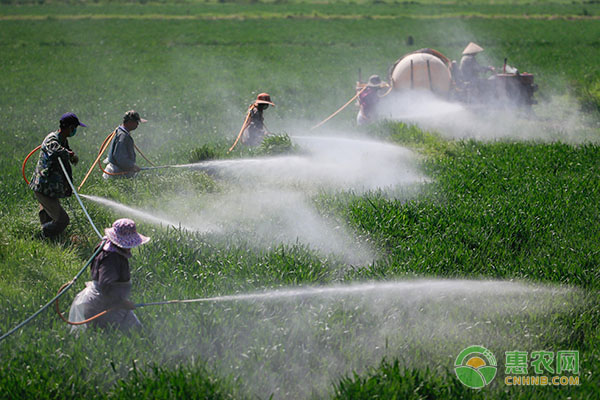
Watering times and key points for winter wheat at different stages
An introduction to the watering times and key points for winter wheat at different stages
-
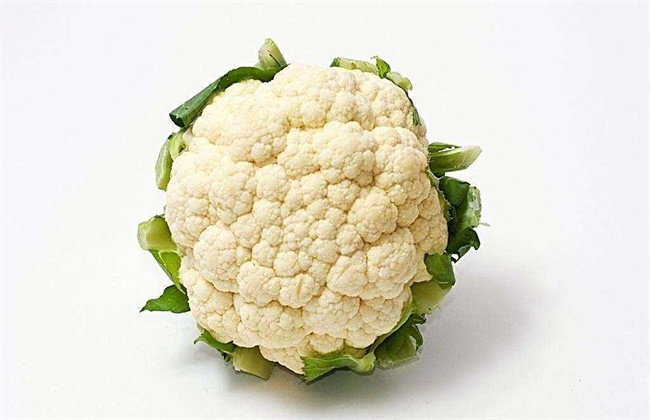
What is the difference between cauliflower and broccoli?
The difference between cauliflower and broccoli
-
Sword Bean Growing Techniques, Propagation Methods, and the Differences Between Vining and Dwarf Varieties
Do you know the red phoenix bean? This plant has another name, the sword bean. So what are the planting time and methods for sword beans? Let's take a look together! The sword bean blooms from June to July and fruits from August to October. Among plants, those commonly called "sword bean" come in vining
-
What Kind of Corn Is Fruit Corn? Differences from Other Corn and How to Eat It
What is fruit corn? Is fruit corn easy to grow? Fruit corn is a type of sweet corn suitable for eating raw. Compared with ordinary sweet corn, its main characteristics are thin skin with no residue, a delicate texture, lots of juice, and a crisp, sweet taste; it can also be eaten after cooking. Fruit
-
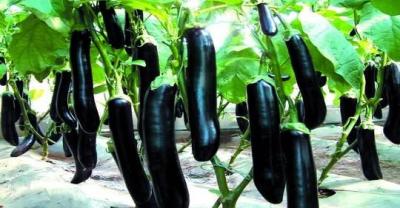
A Different Way to Eat Toast: Cheese and Veggie Toast Slices for a Quick Breakfast
Sundays are always lazy, especially in winter, when the bed just won't let me get up, so I make do with a simple, quick breakfast. A few slices of toast, some whole grains, and vegetables are more than enough!...
-
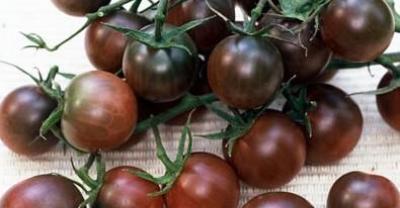
What is the difference between organic and inorganic vegetables
Fresh vegetables are today's popular green food. They are rich in fiber, both nutritious and helpful for weight loss. Take a look at the comparison of these vegetables, and cho...
-
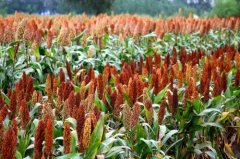
What Is Sweet Sorghum? Differences from Sorghum and a Detailed Guide to Growing Techniques
Do you know sweet sorghum? Why is sweet sorghum called sweet sorghum? Let's take a look at how it differs from sorghum. Sweet sorghum is a variety of grain sorghum and can also produce 5000-6000 kg of grain per hectare, but the seeds are smaller, with a 1000-grain weight
-

Detailed Explanation of Nutrient Uptake Patterns of Rice at Different Growth Stages
The nutrient uptake of rice at various growth stages differs considerably depending on the type. Double-season rice has a short growth period, especially the shortened vegetative growth period in the field, so vegetative growth and reproductive growth overlap shortly after transplanting. That is, tillering in the field begins at the same time as panicle differentiation, and the peak tillering stage occurs during panicle differentiation, thus forming a prominent nutrient uptake peak 2 to 3 weeks after transplanting; single-season rice forms two nutrient uptake peaks 2 to 3 weeks and 7 to 9 weeks after transplanting. The uptake rates of various nutrients by rice all reach
-
Key Points of Water Management at Different Growth Stages of Rice
Rice has relatively strict requirements for water conditions, and the water demand varies at different growth stages. To ensure stable and high yields of rice, scientific water management should be carried out according to the different growth stages. 1. Shallow water and frequent irrigation at the tillering stage. Shallow water and frequent irrigation at the tillering stage allows good light penetration to the base of the rice plants, so that sunlight can shine directly on the stems of the rice plants, raising the water temperature and soil temperature, increasing oxygen in the soil, promoting root development, improving fertilizer uptake capacity, promoting early tillering, and increasing the rate of tillers forming panicles. The depth of irrigation water should be based on weather conditions, generally 3-5 cm, and a shallow water layer should be used on cloudy and rainy days. High
-
What is the difference between the potato ladybird beetle and the 28-spotted ladybird beetle?
The potato ladybird beetle and the eggplant 28-spotted ladybird beetle are very similar in morphology. As soon as the potato sprouts, adults and larvae gather on vigorous plants to feed on the leaves and cause damage, overwintering as adults. Around April, the overwintered adults lay eggs in the field, and they emerge in July. In spring-planted areas, there is 1 generation per year. The larvae and adults of the 28-spotted ladybird beetle damage the leaves of vegetables such as eggplant, potato, tomato and cucumber, causing wilting. The larvae live on the underside of leaves. In warm regions, the adults have 2 to 3 generations per year, overwinter as adults, and generations overlap. After overwintering, the adults gather
条件筛选