-
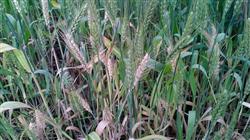
Wheat sharp eyespot must be controlled early in spring with thifluzamide
In recent years, the area of direct-seeded rice in northern Jiangsu and other places has been relatively large, resulting in a generally late wheat sowing period. To ensure the yield of late-sown wheat, the seeding rate is often greatly increased, with high-rate fields using 20-30 kg of seed per mu. The wheat seedlings in the field grow too densely, and as spring temperatures rise, the wheat quickly resumes growth, and the field canopy density...
-
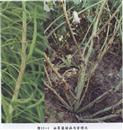
Broadleaf weeds during the rapeseed growing season can be controlled with herbicides
Rapeseed sclerotinia stem rot is one of the important diseases in rapeseed production. It can occur from the seedling stage to maturity, with damage to the stem being the most severe. Control methods: First, increase the application of phosphorus and potassium fertilizers and apply only a small amount of nitrogen fertilizer. At the same time, open drainage furrows to facilitate drainage, thin the seedlings properly, and maintain a reasonable density. Spray paclobutrazol to improve lodging resistance. A reasonable density...
-
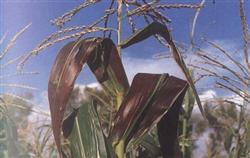
How can corn red leaf disease be controlled effectively?
Symptoms: When improved varieties bred with Huangzaosi encounter low temperatures and rainy, overcast weather during the grain-filling stage, their leaves turn red, which is called red leaf disease. Cause: The occurrence of this disease is related to the fast grain-filling of this variety. When large amounts of synthesized sugars cannot be quickly converted due to metabolic disorders, they become anthocyanins, and the green leaves turn red. Control methods: (1) In areas where it occurs severely, do not...
-
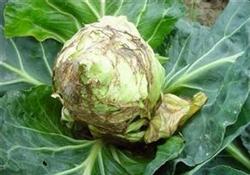
How should sclerotinia rot in cabbage be prevented and controlled?
Answer: Low temperatures in early spring and many days with little sunlight favor the occurrence of sclerotinia rot in cabbage. After the plant becomes infected, water-soaked lesions appear first, then turn into white lesions, and in severe cases cause the plant to rot. Prevention and control methods: 1. Agricultural control. Before sowing, rinse the seeds with 10% salt water or 10%-20% ammonium sulfate solution, then dry them and sow. ...
-
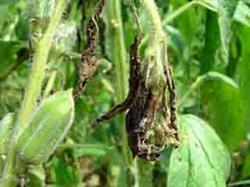
How should bacterial wilt in sesame be prevented and controlled?
I. Symptom expression Sesame bacterial wilt occurs relatively early. In the early stage of the disease, the roots turn brown, and the top of the plant wilts and droops. Afterward, dark green patches appear on the stem and gradually deepen and turn black. The leaves wilt and droop progressively from top to bottom. Diseased plants are shorter than healthy plants. The vascular bundles of the roots and stems turn brown, and finally the pith becomes hollow. Bacterial fluid oozes out both inside and outside the stem. The leaf vascular bundles are also affected, with dark green streaks on the veins. After the capsules are infected, water-soaked lesions appear and gradually develop into dark brown streaks of uneven thickness.
-
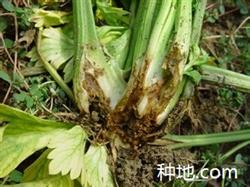
How can celery sclerotinia rot be controlled effectively?
What should you do when sclerotinia rot affects celery? Celery sclerotinia rot can damage leaves, petioles and stems. Usually the leaves are affected first, showing dark dirty patches, and when humid the surface is densely covered with white mold. It then spreads downward and causes the petioles and stems to become affected. The affected parts are brown and water-soaked, and when the disease progresses rapidly soft rot forms, with white...
-
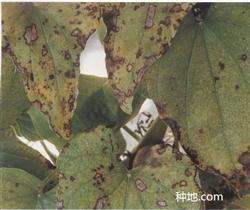
What causes yam plant death, and how should it be prevented and controlled?
Yam plant death has now been found to be very serious. What causes yam plant death and how should it be treated? The main causes of severe yam plant death are fusarium wilt, anthracnose and brown rot. These three diseases are mainly spread through rainwater and irrigation, and the current period of high temperatures and frequent rain also creates conditions for the occurrence of these three diseases....
-
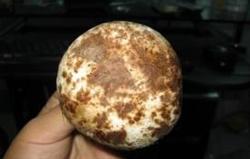
In the process of oyster mushroom cultivation, the seed production stage must be strictly controlled.
Rust-colored or dark brown spots appearing on the caps and stipes of oyster mushrooms are called oyster mushroom rust spot disease. This disease is a bacterial disease that readily occurs during the fruiting body growth stage of oyster mushrooms. The pathogen causing this disease is a species of Pseudomonas bacterium that is extremely widely distributed in nature. In the early stage of the disease, the spots are only the size of a needle tip, and the color...
-
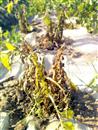
How can potato late blight be controlled effectively?
How can potato late blight be controlled effectively? Please provide guidance. Effective control of potato late blight can be carried out in the following ways: 1. Agricultural control: ① Select disease-resistant varieties, plant at a reasonable density, use balanced fertilization, increase potassium fertilizer, and enhance plant resistance. ② Strictly select disease-free seed potatoes to eliminate sources of disease infection. ③ High...
-

What is the difference between slow-release fertilizer and controlled-release fertilizer?
Text and images: This girl is a bit sweet. When it comes to fertilizing succulents, slow-release fertilizer is certainly one of the fertilizers that will be mentioned. Although by habit it is called slow-release fertilizer, strictly speaking, what everyone calls slow-release fertilizer is actually controlled-release fertilizer. However, in terms of effect, the two are more or less the same in meaning.
条件筛选