Broadleaf weeds during the rapeseed growing season can be controlled with herbicides
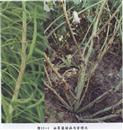
Rapeseed sclerotinia stem rot is one of the important diseases in rapeseed production. It can occur from the seedling stage to maturity, with damage to the stem being the most severe. Control methods: First, increase the application of phosphorus and potassium fertilizers and apply only a small amount of nitrogen fertilizer. At the same time, open drainage furrows to facilitate drainage, thin the seedlings properly, and maintain a reasonable density. Spray paclobutrazol to improve lodging resistance. A reasonable density...
 Glyphosate is a broad-spectrum, non-selective herbicide with strong systemic translocation. It can not only be translocated from stems and leaves to the underground parts, but can also be translocated between different tillers of the same plant. It is highly destructive to the underground tissues of perennial deep-rooted weeds and can reach depths that ordinary agricultural machinery cannot reach. This herbicide has a very broad weed-killing spectrum and controls plants in more than 40 families, including monocotyledonous and dicotyledonous, annual and perennial, herbaceous and shrub plants. Some plants in the Fabaceae and Liliaceae families have relatively strong resistance to glyphosate. After the chemical enters the soil, it quickly binds with metal ions such as iron and aluminum and loses activity, with no adverse effects on seeds lurking in the soil or soil microorganisms. After pulling out rapeseed seedlings, spray glyphosate to control broadleaf weeds in the field, then replant the rapeseed seedlings back into the field. This can effectively control broadleaf weeds in the field. However, because the rapeseed seedlings are at the 2-leaf 1-heart stage, they are not easy to survive after being pulled out and transplanted again, which may cause a large number of dead seedlings.
Broadleaf weeds during the rapeseed growing season can be controlled with benazolin-ethyl and clopyralid. Clopyralid is a synthetic auxin herbicide, mainly absorbed through weed stems and leaves and translocated through the phloem and xylem, causing weeds to die from symptoms of hormonal herbicide injury. The chemical can be translocated to the roots through the xylem, so it can kill perennial deep-rooted weeds. It is suitable for controlling Fabaceae and Asteraceae weeds as well as various broadleaf weeds such as Polygonum convolvulus, and can effectively control Vicia gigantea, Vicia hirsuta, tuberous sweet pea, clover, and Lapsana apogonoides. It also controls Cirsium setosum, Sonchus brachyotus, volunteer alfalfa, volunteer beans, and others. This herbicide has good complementarity with benazolin-ethyl in terms of weed-killing spectrum and can be used in combination with benazolin-ethyl. To control annual broadleaf weeds, apply at the 3-6 leaf stage of the weeds using the low end of the recommended rate; to control perennial broadleaf weeds, apply after the weeds have 4 leaves and before flower bud formation using the high end of the recommended rate. This herbicide can be used in Brassica napus and Brassica rapa rapeseed fields, but must not be used in Brassica juncea rapeseed fields, otherwise it is likely to cause herbicide injury.
Benazolin-ethyl is a selective post-emergence foliage treatment agent and is currently the most commonly used herbicide for controlling broadleaf weeds in rapeseed fields. It can control broadleaf weeds such as Stellaria media, Myosoton aquaticum, Stellaria uliginosa, and Galium aparine. Its control effect on Veronica is poor; applying it when Veronica weeds are young has a certain effect, but it is basically ineffective against Lapsana apogonoides, mustard, and Vicia gigantea. For broadleaf weeds dominated by Galium aparine, the application rate should be appropriately increased. Different types of rapeseed varieties show different sensitivity responses to benazolin-ethyl. Brassica juncea rapeseed is sensitive to benazolin-ethyl and cannot be used. Brassica napus rapeseed has relatively strong tolerance, but there are certain requirements for the seedling age of rapeseed; use at the rapeseed seedling stage easily causes herbicide injury, and application should be avoided at the 2-3 leaf stage of direct-seeded rapeseed in the seedbed. Generally, application should be carried out at the 6-8 leaf stage of direct-seeded rapeseed or after transplanted rapeseed has recovered from transplanting, from the 2-3 leaf stage after broadleaf weeds have all emerged until individual plants have 2-3 branches. Apply when temperatures are relatively high before winter or during the rapeseed regreening period after temperatures rise following winter, avoiding low-temperature weather. Use after rapeseed bolting sometimes causes varying degrees of herbicide injury symptoms.
The rapeseed in the above-mentioned field is at the 2-leaf stage, and the seedlings are relatively young. It is estimated that the broadleaf weeds in the field have not all emerged yet. Consider applying a corresponding herbicide for post-emergence foliage treatment when the weeds in the field have basically all emerged and are at the 2-4 leaf stage, selecting according to the weed spectrum.