-
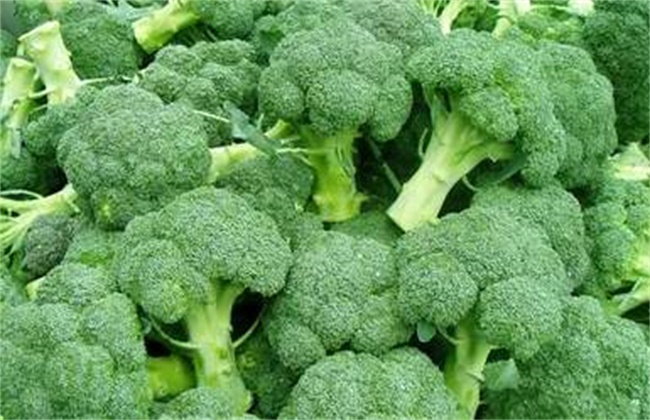
What causes hollow stem in broccoli, and how should it be prevented and controlled?
Causes of Hollow Stem in Broccoli and Prevention and Control Methods
-
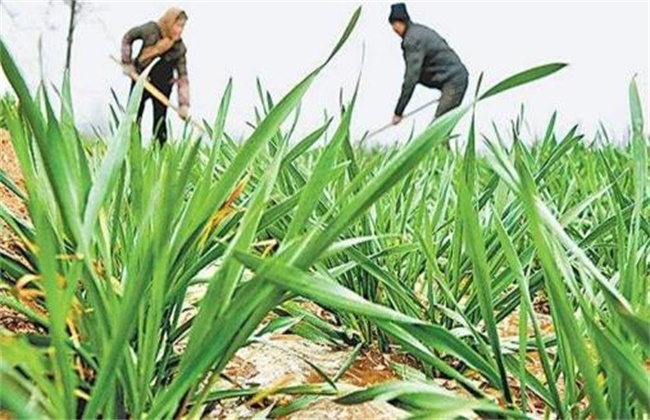
Why Should Wheat Be Controlled from Excessive Growth? A Full Analysis of Causes and Methods
Causes and Methods of Controlling Excessive Growth in Wheat
-
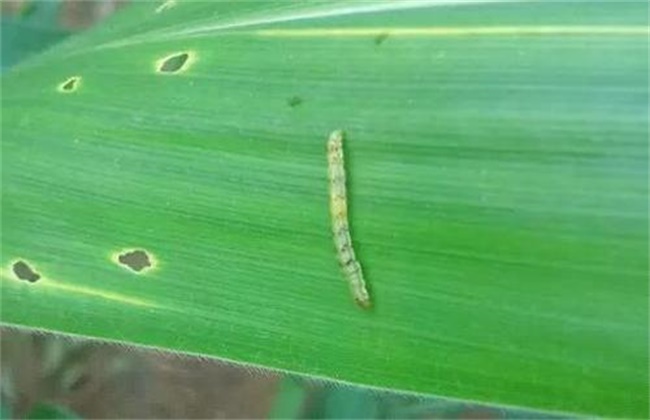
Why Can't Armyworms on Corn Be Controlled? Cause Analysis and Correct Prevention and Control Measures
Reasons for Poor Control of Armyworms on Corn and Correct Prevention and Control Measures
-
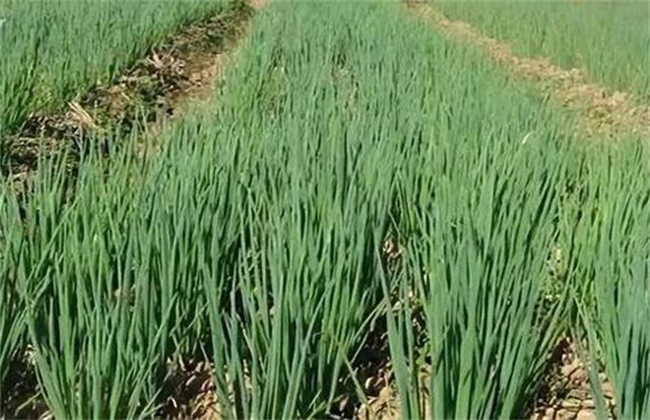
What are the causes of continuous cropping obstacles in scallions and how can they be prevented and controlled?
Causes of continuous cropping obstacles in scallions and prevention and control methods
-
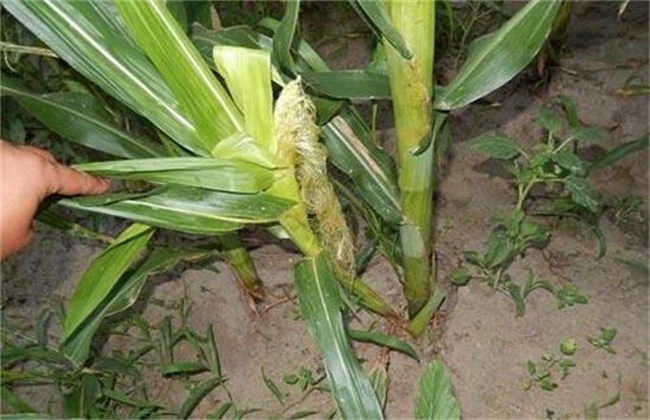
What causes tillering in corn, and how should it be controlled?
Causes of corn tillering and control methods
-

What causes fertilizer burn in cotton, and how should it be prevented and controlled?
Causes of fertilizer burn in cotton and prevention and control methods
-

Rice physiological red blight can be controlled with raw gypsum powder
Rice physiological red blight often occurs in cold-waterlogged mountain valley fields and in paddy fields where organic green manure has not fully decomposed. This disease mostly occurs at the tillering stage of rice, showing as very little tillering, leaves turning yellow-brown, and tea-brown irregular spots on the first and second leaves from the base; some mistake it for leaf blast. When the rice hills are pulled up, the root system is yellow-brown, and in severe cases black; the seedlings do not grow, commonly called "fa qiu". There are three main causes of physiological red blight: first, toxic substances such as hydrogen sulfide produced during the decomposition of green manure; second, some cold-waterlogged
-
Qing'an's 700,000 mu of rice adopts cold-region dry seedling cultivation and controlled irrigation technology for water saving and high yield
The controlled irrigation, water-saving and high-yield technology for cold-region dry seedling rice has been successfully tested in Qing'an. This year, 700,000 mu of rice in this county are using this technology. According to expert calculations, it saves about 450 cubic meters of water per mu, saves 11.2 yuan in pumping costs, and increases yield by an average of 22 kg per mu. In recent years, through the trinity approach of "engineering water saving, mechanism water saving, and technical water saving," Qing'an has reduced irrigation water per mu from nearly 1,000 cubic meters to 500 cubic meters. Over 10 years, it has expanded the paddy field area from 640,000 mu to 1.17 million mu, accounting for half of the cultivated land area. Last year
-
Degradable-film controlled-release fertilizer for rice successfully developed in Hunan Province
The Soil and Fertilizer Institute of Hunan Province has developed a degradable-film controlled-release fertilizer for rice that can be widely applied in rice-growing regions of China with no side effects. Using natural and semi-natural polymer materials as the main coating components and adopting a self-developed new fluidized dual-spray-bed coating process, the Soil and Fertilizer Institute of Hunan Province developed a degradable-film controlled-release fertilizer whose nutrient release can be artificially controlled within 30 to 330 days. This controlled-release fertilizer is non-toxic, completely degrades within 2 years after being applied to the soil with no residue, and can reduce fertilizer pollution of the atmosphere, soil, water bodies and other environments.
-
Rice midge harms rice, how can it be controlled effectively?
Rice midge, commonly known as red worm or red thread worm, damages the young roots and young shoots of rice with its larvae, causing floating seedlings, and feeds on the embryo and endosperm of ungerminated seeds, preventing the seeds from germinating. Rice seedling fields and direct-seeded fields suffer severe damage. The adult is a small moth, with wings shorter than the body; when resting, the front legs are raised and swing up and down. The larvae are red or pale yellow, with a limb-like protrusion on the ventral side of the prothorax. It occurs 2-3 generations per year, and the first generation damages rice. It overwinters as nymphs and adults in weeds. Adults appear in early May of the second year, and lay eggs in late May.
条件筛选