-
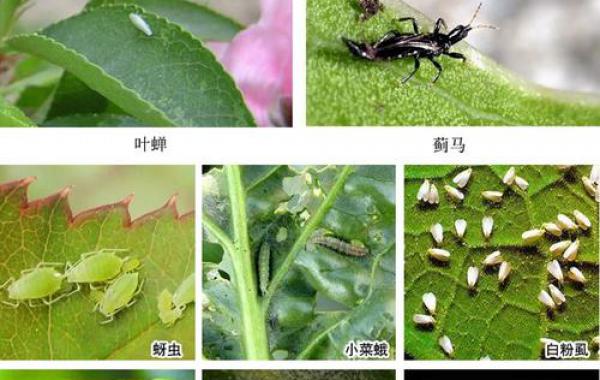
How can flower black spot be prevented and controlled effectively?
How is flower black spot prevented and controlled effectively?
-
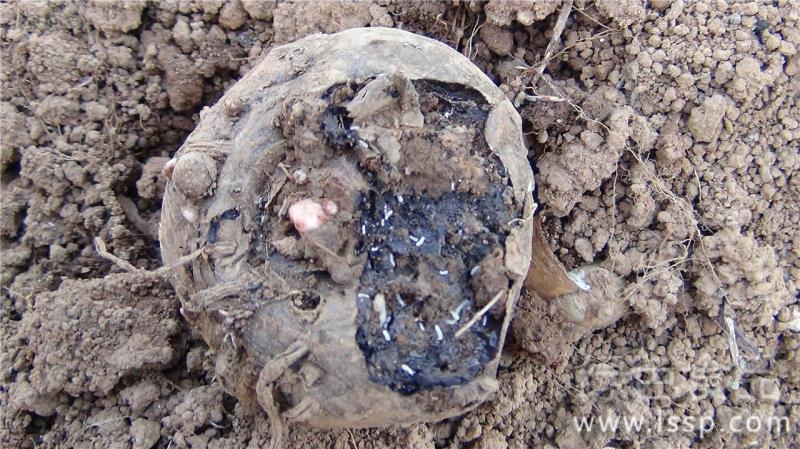
How should konjac soft rot, which causes rot and a foul odor, be prevented and controlled?
How to prevent and control konjac soft rot, which causes konjac to rot and smell foul
-
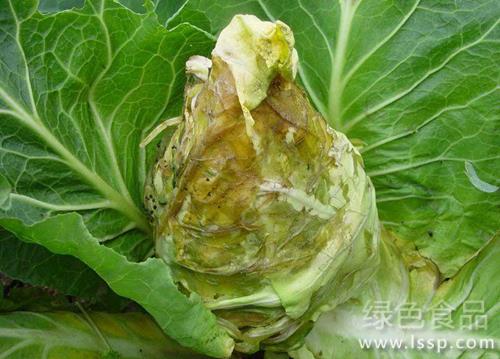
Cabbage has soft rot: the outer wrapper leaves rot first, then the head rots. How should it be prevented and controlled?
The wrapper leaves rot first and then the head rots. How should cabbage soft rot be prevented and controlled?
-
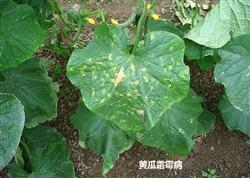
What diseases need to be prevented and controlled when growing cucumbers? A detailed guide to cultivation techniques
What diseases need to be prevented and controlled when growing cucumbers? We ask friends with experience to help explain. The main diseases that occur during cucumber cultivation are downy mildew, powdery mildew, phytophthora blight, and bacterial angular leaf spot; below is a detailed introduction to these diseases and their control methods (for everyone's reference). 1. Cucumber downy mildew...
-
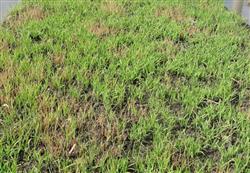
How should rice seedling damping-off be prevented and controlled?
How do you prevent and control rice damping-off in seedlings? What effective control methods are there? Please give an introduction. Rice damping-off is the number one disease of rice seedlings. Generally, rice damping-off can be divided into two types based on its cause: first, fungal damping-off; second, physiological damping-off, also known as bacterial wilt. The following focuses on damping-off...
-

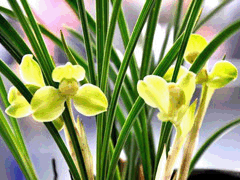
Gummosis causes the twigs of Chinese juniper to thicken and new shoots to stop growing. What is the cause? How can it be controlled?
Gummosis causes the twigs of Chinese juniper to thicken and new shoots to stop growing. What is the cause? How can it be controlled?
-
-
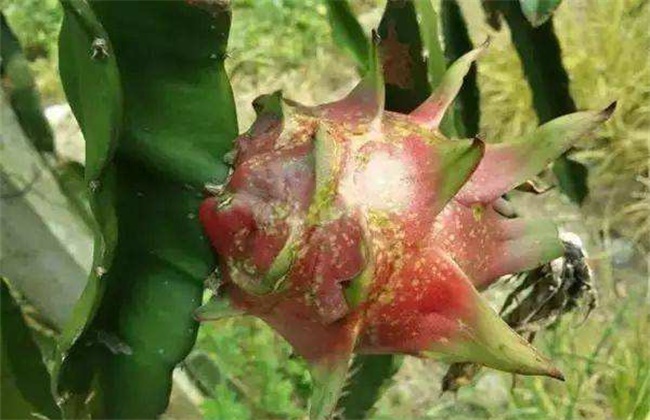
What causes scarred fruit in dragon fruit, and how should it be prevented and controlled?
Causes of scarred fruit in dragon fruit and control measures
-
Flower and plant pests can be effectively controlled with homemade pesticides
"Homemade pesticides" for controlling flower and plant pests
-
Rice midge harms rice, how can it be controlled effectively?
Rice midge, commonly known as red worm or red thread worm, damages the young roots and young shoots of rice with its larvae, causing floating seedlings, and feeds on the embryo and endosperm of ungerminated seeds, preventing the seeds from germinating. Rice seedling fields and direct-seeded fields suffer severe damage. The adult is a small moth, with wings shorter than the body; when resting, the front legs are raised and swing up and down. The larvae are red or pale yellow, with a limb-like protrusion on the ventral side of the prothorax. It occurs 2-3 generations per year, and the first generation damages rice. It overwinters as nymphs and adults in weeds. Adults appear in early May of the second year, and lay eggs in late May.
条件筛选