-

A Detailed Guide to Controlled Cultivation Techniques for Tree Bonsai: Master the Key Points to Grow Bonsai Well
Tree bonsai generally refers to those that use woody plants as the main material, processed through techniques such as wiring, pruning, grafting, and carving along with horticultural cultivation, to present the scenery of trees in nature within a pot. Many people treat bonsai as their own child. Raising a child requires nurturing and education to go hand in hand.
-
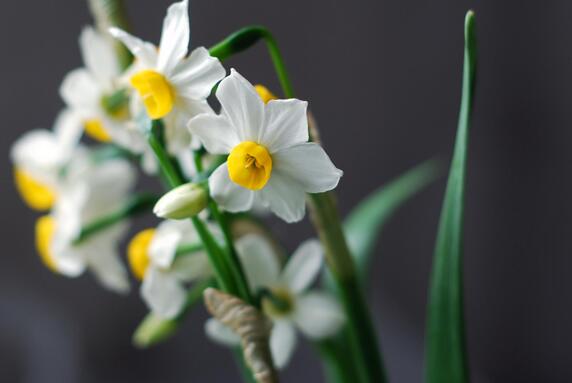
What are the main pests and diseases of daffodils? How are they controlled?
The main pests and diseases include large brown spot disease (leaf spot disease), bulb rot, nematode disease, the narcissus fly, and the bulb mite (Rhizoglyphus echinopus), among others. The control methods are as follows: (1) For large brown spot disease, from March to May, spray once every 10 days with a 700x dilution of 75% chlorothalonil wettable powder, or a 100x dilution of equal-amount Bordeaux mixture
-
Weeds in sesame fields can be controlled with the herbicide WhiPSuper
[Trade name]WhiPSuper (WhiPSuper) [Common name]fenoxaprop-p-ethyl (fenoxaprop-p-ethyl) [Formulation]6.9% emulsifiable concentrate, 8.05% emulsifiable oil [Dosage]To control barnyardgrass, foxtail, green foxtail, crabgrass and other annual grass weeds, use 750-900 ml of 6.9% WhiPSuper per hectare or 600-750 ml of 8.05% WhiPSuper. To control wild oat, use 900-1050 ml of 6.9% WhiPSuper per hectare
-
What causes premature senescence in cotton seed production fields? How should it be prevented and controlled?
As cotton seed production fields are planted year after year, premature senescence occurs from time to time, and has become an important factor restricting the increase of per-unit yield and the improvement of quality in seed production fields. 1. Causes of premature senescence 1. Continuous successive cropping of seed cotton fields In cotton-growing areas, cotton has been planted continuously on the same land for many years, resulting in a lack of organic matter in the plow layer, which cannot satisfy the soil's sustained fertilizer supply effect. At the same time, successive cropping causes the accumulation of pathogenic bacteria in the soil and a reduction in the number of insect-resistant bacteria, blocking the normal growth of the cotton root system, thereby affecting the upper growth of cotton and causing premature senescence. 2. Cotton
-
How are cotton seedling diseases diagnosed and controlled?
Diagnosis and Control of Cotton Seedling Diseases Cotton seedling diseases are numerous, but they can be grouped into two main types: root diseases and leaf diseases. Root diseases often cause seed rot and sprout rot before emergence, and root rot and stem-base rot after emergence, and are the main cause of missing plants and broken rows in cotton fields. Common ones include damping-off (Rhizoctonia), anthracnose, red rot, and Pythium damping-off. Leaf diseases damage the cotyledons, true leaves, and stems of cotton seedlings, and in severe cases the stem tips and leaves wither and drop off. Common ones include black spot, brown spot, cotton seedling blight, and stem blight. This film focuses on summarizing and introducing several
-
How can bamboo-leaf grass in cotton fields be controlled effectively?
First choose a suitable herbicide, then decide the dosage according to the weed species, leaf age and humidity level. For example, when using fluazifop-P-butyl to control annual weeds, when soil moisture is suitable, the effective ingredient dosage per mu is 9-17 grams; under drought conditions it is 17-24 grams; to control perennial weeds, the effective ingredient dosage per mu is 27-45 grams. Spray on the stems and leaves when grass weeds are at the 2-5 leaf stage. In summer, apply the herbicide on windless days, in the early morning and evening when temperatures are lower; uniform spraying is required, and keeping
-
How should the four common bean diseases be prevented and controlled?
1. Root drowning: Beans prefer moisture and tolerate drought but not waterlogging. Therefore, on the basis of ridge cultivation, small amounts of water should be applied to avoid water accumulation in the field, which prevents the roots from breathing and causes plant death. Control measures: Avoid flood irrigation. If there is heavy rain, drain the water promptly. After the weather clears, if conditions permit, appropriate shallow hoeing can be done to increase soil permeability and improve root vitality. 2. Phytophthora blight: It mainly damages the stems and vines, and sometimes the leaves and pods are also affected. It constricts at the base of the stem, causing the upper part to wilt and die. When humidity is high, white mycelium is produced on the diseased part.
-
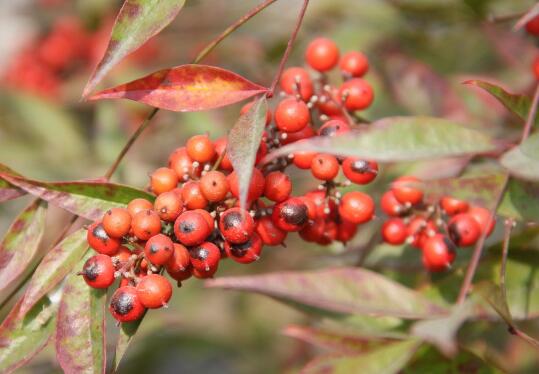
What to do when heavenly bamboo gets pests? 2 pests and 2 diseases controlled this way
In the process of growing heavenly bamboo, the last thing we want to encounter is problems like pests and diseases. Such problems are extremely harmful to the plant, and if not dealt with in time, they can easily cause the plant to wither and die. So what should you do when heavenly bamboo gets pests? How should pest and disease control for heavenly bamboo be done? 1. What to do when heavenly bamboo gets pests
-
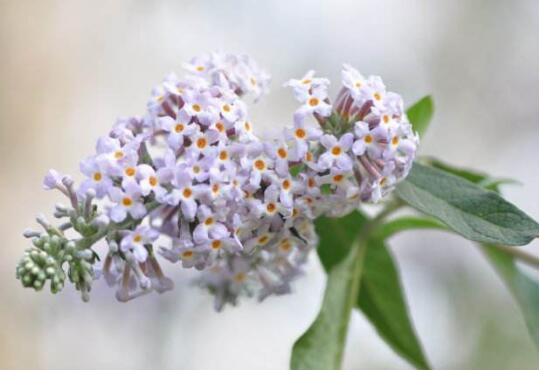
What to do when Buddleja officinalis gets bugs? 2 pests and 3 diseases prevented and controlled this way
In the process of growing Buddleja officinalis, the last thing we want to run into is pests and diseases. These problems are extremely harmful to the plant, not only affecting the beauty of its form, but if left untreated for a long time, they can also cause the plant to gradually wither and die. So what should be done when Buddleja officinalis gets bugs? How should pest and disease control for Buddleja officinalis be carried out
-
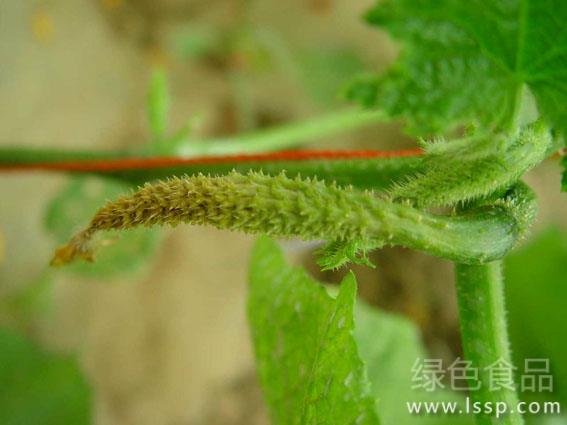
High abortive fruit rate in cucumbers affects yield; how should it be prevented and controlled?
High abortive fruit rate affects cucumber yield; how to prevent and control cucumber abortive fruit
条件筛选