How do you control tree growth in stump bonsai through pruning methods?
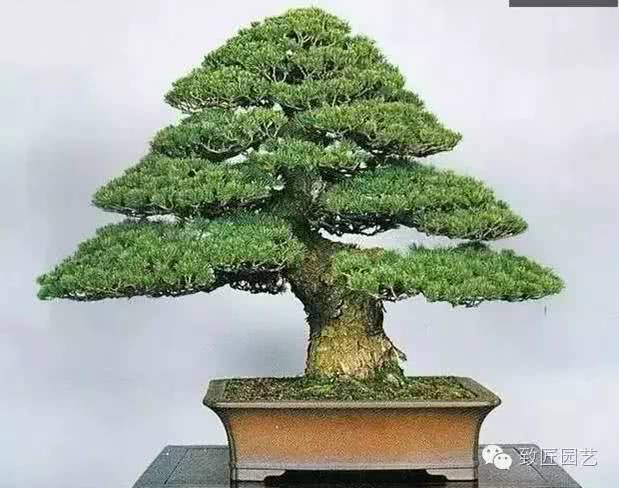
Using pruning methods to control tree growth in stump bonsai
Stump pruningcan control tree growth, keep the tree dwarf, encourage branching and make the leaves dense, achieving the artistic effect of turning a large tree into a small one and embodying the large within the small. At the same time, pruning is also an important measure to ensure that stump bonsai plants grow and develop normally, bloom and bear fruit (referring to flower-and-fruit bonsai), and stay old but not declining under the conditions of little potting soil and limited water and fertilizer. Generally, deciduous tree species (such as elm, Japanese bush cherry, trident maple, etc.) can be pruned all year round, but the best time is after leaf drop and before bud break, because at this time there are no leaves on the tree, so the growth of the branches can be seen clearly and it is easy to work. For flowering bonsai plants, those that bloom on new branches of the current year (such as ornamental pomegranate) should preferably be pruned before bud break, while those that bloom on perennial branches (such as plum blossom) should preferably be pruned after flowering. Slow-growing evergreen trees should preferably be pruned in winter; for pine species, since they tend to bleed resin after pruning, they should preferably be pruned at noon on a sunny winter day.
I.Thinning, that is, removing branches from the base. Through thinning, the stump has good ventilation and light transmission, nutrient supply is concentrated, and growth is vigorous. Thinning young trees early can help normal development and growth; thinning during shaping can allow the retained shaping branches to receive sufficient nutrients and accelerate the formation of the design; in a formed stump bonsai, thinning can balance nutrients and keep it old but not declining. When thinning, first remove diseased and pest-infested branches and burn them immediately to prevent the spread of diseases and pests. Second, promptly remove branches that detract from the appearance. Generally, when two parallel branches are very close to each other, one should be removed; for stacked branches and opposite branches, one of each pair should be removed; for whorled branches, only one should be kept and all the rest removed; water sprouts, upright branches growing from the main branches, drooping branches, and reverse-growing branches should all be removed. For forked branches and crossing branches, one fork should be removed; for small branches sprouting on tree species with strong sprouting ability, except for one branch left at a missing-branch position to slowly induce and fill in the gap, all should be removed early to avoid consuming nutrients and affecting tree vigor. The thinning of branches in stump bonsai must also comply with the requirements of artistic shaping. All excess branches that do not meet the shaping requirements should be completely removed.
II.Short pruning, that is, cutting long branches short to stimulate the axillary buds below the cut to sprout and form stronger side branches, thereby achieving the purpose of promoting branching and facilitating shaping. During shaping, after excess branches are thinned out, the retained shaping branches should be short-pruned to encourage the shaping branches to sprout 2 to 3 times a year. Short-pruning once each time buds sprout will rapidly increase the branching order of the shaping branches and can make each order of branches very short without elongating the branches. Therefore, short pruning is an effective measure for controlling growth and maintaining dwarfness in stump bonsai, and it is also an important means for the stump to have the form of a large tree and to take shape early.
III.Rejuvenation pruning, that is, cutting back perennial branches. It is a powerful measure for reducing a large tree and also an important means of promoting the sprouting of new branches and restoring tree vigor. For stump bonsai plants with a good stump posture but a large crown and long main branches, short pruning and thinning of one-year-old branches alone cannot meet the shaping requirements of the bonsai; through rejuvenation pruning, a large tree can be made smaller, which is beneficial for bonsai shaping; for some tree species with strong sprouting ability, the amount of rejuvenation pruning can be greater, that is, cutting the branches and leaves completely clean and retaining only the skeleton of the stump to stimulate new branches to sprout below the cut.
Featured content