-
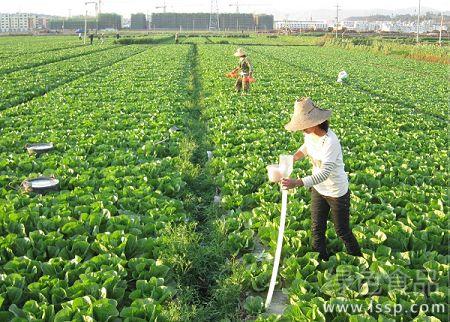
Pollution-free cultivation has become a trend: how to control nitrogen in vegetable fertilization
Pollution-free cultivation has become a trend: how to control nitrogen in vegetable fertilization
-
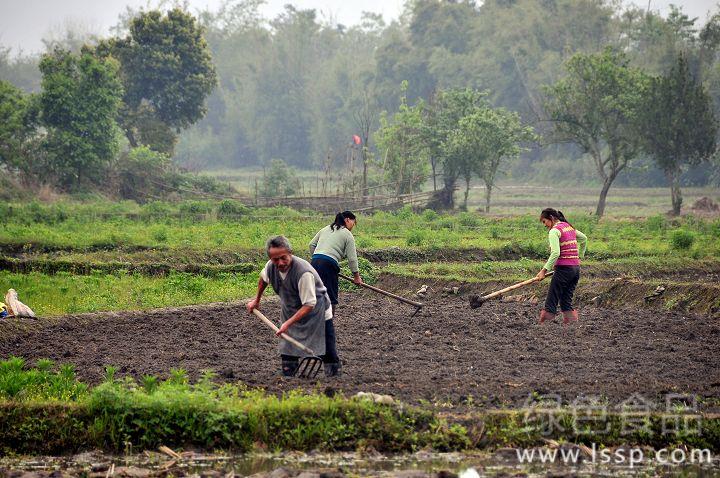
Spring sowing is about to begin: how to carry out good pest, disease, and rodent prevention and control measures
Spring sowing is about to begin: how to carry out good pest, disease, and rodent prevention and control measures
-
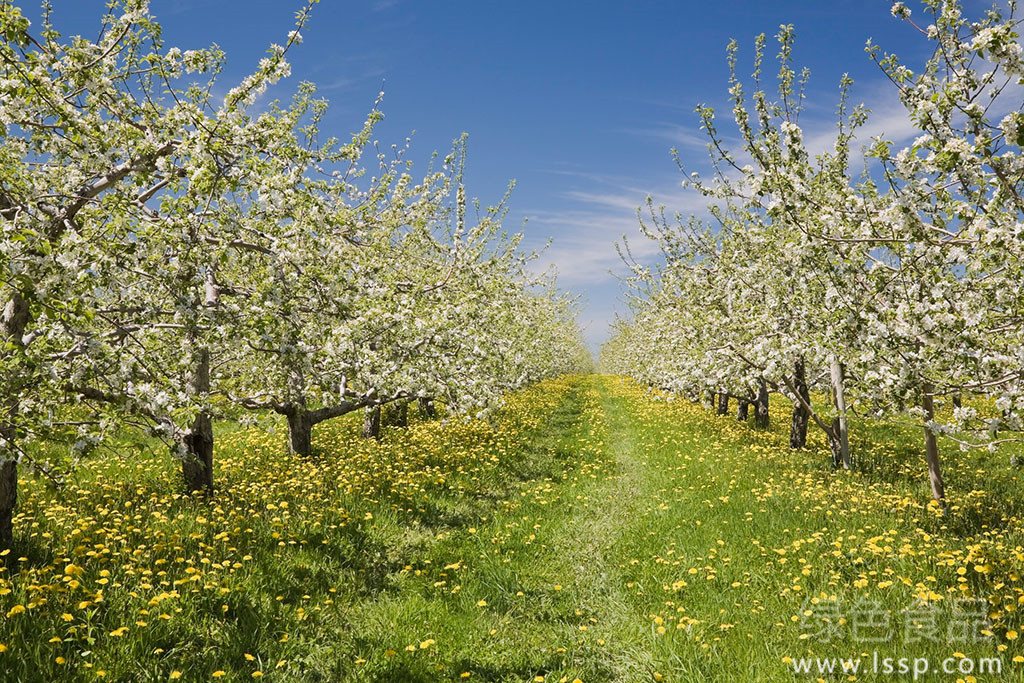
Two major methods for controlling apple tree rot in early spring: clearing the orchard and scraping the lesions
Two major methods for controlling apple tree rot in early spring: clearing the orchard and scraping the lesions
-
What is the best time for chemical weed control in rice fields?
When should chemical weed control be carried out in rice fields? Please explain. Weeds in paddy fields have a major impact on rice growth. They compete with rice for fertilizer, water and light, directly affecting rice growth and, in severe cases, causing yield reductions. Therefore, doing a good job of chemical weed control in paddy fields is very important for promoting normal rice growth. Entering June, rice in Dali City has...
-
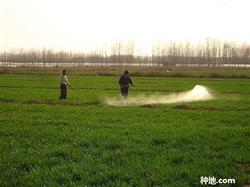
Chemical Weed Control Methods and Technical Points for Winter Wheat Fields
How to chemically control weeds in winter wheat fields? Please guide. For chemical weed control in winter wheat fields, you can refer to the following methods: 1. Control agents: 3% Shima oil suspension concentrate (mesosulfuron-methyl); 3.6% Kuoshima water-dispersible granules (mesosulfuron-methyl + iodosulfuron-methyl-sodium). 2. Usage amount: Shima...
-
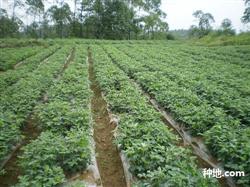
Chemical Weed Control Methods and Technical Key Points for Peanut Fields
How is chemical weed control carried out in peanut fields? Please explain. Peanut is one of the major economic crops, and in the cultivation process, the most labor-intensive and time-consuming task is weeding. The major harmful weeds occurring on peanut land include grass-family weeds such as large crabgrass, green foxtail, Chinese sprangletop, purple nutsedge, goosegrass, and late barnyardgrass; broadleaf weeds include field thistle, feather cockscomb, chickweed, prickly lettuce, small bindweed, shepherd's purse, knotweed, lambsquarters, amaranth, bean and black nightshade, etc.
-
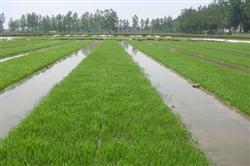
How to carry out chemical weed control in rice seedling beds
How is chemical weed control used in rice seedling beds? Please give an introduction. Chemical weed control in rice seedling beds saves labor, saves effort, and gives good results. However, in production, if the method of use is improper, it will cause herbicide damage, and in severe cases the seedlings must be destroyed and re-raised. Therefore, chemical weed control in seedling beds must master the following use techniques: different seedling-raising methods require different selected herb...
-
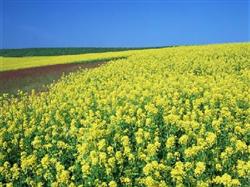
What are the precautions for chemical weed control in rapeseed?
What should be noted when using chemical weed control in rapeseed? Please give guidance. For chemical weed control in rapeseed, the higher the temperature, the faster the effect. The best control effect is achieved during the vigorous growth period of weeds (before the 3-4 leaf stage), that is, about 20 days after rapeseed transplanting. 1. It is strictly prohibited to use herbicides banned by the state. Such as metsulfuron-methyl, chlorsulfuron, tribenuron-methyl and their compound formulations...
-
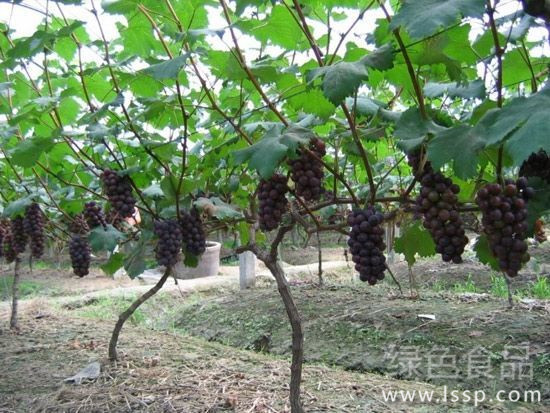
How to prevent grape diseases in spring? A full analysis of the key control points
How should grapes be protected from diseases in spring
-
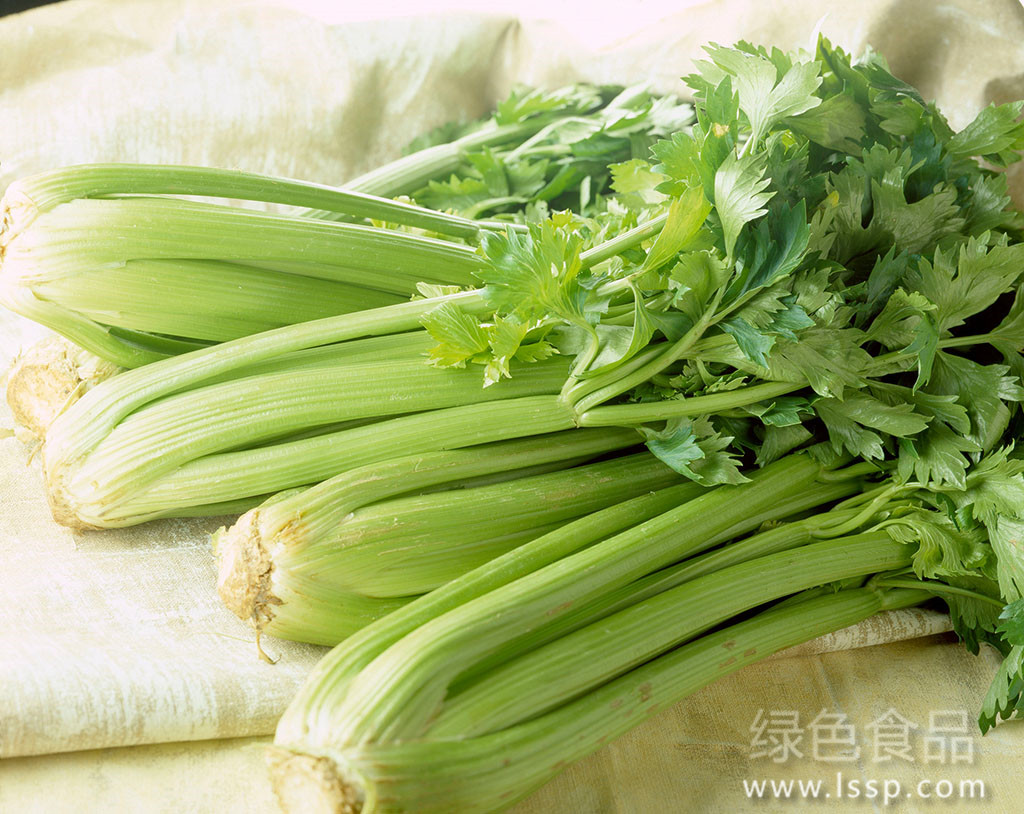
How to prevent and control celery heart rot in spring? Share practical methods
Prevention and control of celery heart rot in spring
条件筛选