Spring sowing is about to begin: how to carry out good pest, disease, and rodent prevention and control measures
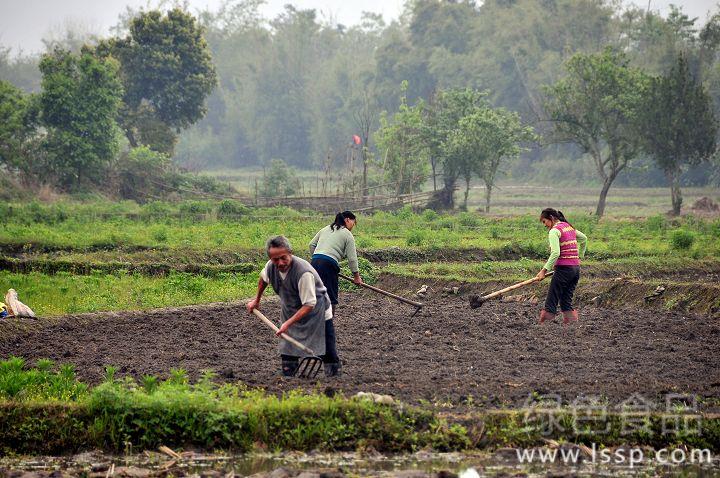
Spring sowing is about to begin. In order to carry out prevention of pests, diseases, and rodents during spring sowing, the following prevention and control measures are proposed. It is hoped that all townships will actively publicize them and earnestly see to their implementation.
1. Choose disease-resistant varieties. Disease-resistant varieties are the foundation of a bumper harvest. According to the local microclimate, choose suitable disease-resistant varieties, especially combinations resistant to rice blast.
2. Seed disinfection. Seed-borne bacteria are the initial infection source of many diseases and one of the main pathways for spreading diseases, especially rice blast, rice false smut, bacterial leaf streak, and other diseases. Therefore, treating seeds before sowing is one of the important measures to prevent the occurrence of various diseases. The commonly used methods are:
3. Seedbed disinfection. Before sowing, water the leveled seedling beds until moist, then evenly spray the bed surface with a 800-fold dilution of 70% dexon wettable powder or 75% chlorothalonil wettable powder or 3% guanguling aqueous solution before sowing. This can reduce the occurrence of rice seedling cottony rot, damping-off, phytophthora disease, and seedling blast.
4. Carry out good field management to reduce sources of pests and diseases. In conjunction with spring plowing, promptly clear weeds and rice straw from fields, ditch edges, and ridge edges. At the same time, irrigate and soak the fields early, and remove sclerotia of sheath blight, thereby reducing the overwintering base of pests and diseases such as the striped stem borer, rice gall midge, leafhoppers, and sheath blight in the fields, and reducing the occurrence of pests and diseases.
5. Pay attention to rodent control in seedling fields. For rodenticides, it is advisable to choose highly effective, safe rodenticides that do not cause secondary poisoning. The method is to use 0.1% diphacinone sodium salt bait or 0.0375% coumatetralyl bait or 0.005% bromadiolone, placing one pile every 5 meters along the field ridges, with 5 grams per pile.