-
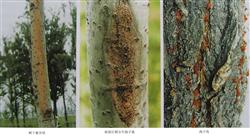
Timely Prevention and Control of Poplar Bacterial Canker and Poplar Bark Rot
Poplar bacterial canker and poplar bark rot are mainly distributed in Northeast China, Northwest China and North China, and are common and frequently occurring diseases of poplar in shelterbelts, timber forests and urban and rural landscaping in northern China. Poplar bacterial canker and poplar bark rot are world-renowned and important poplar trunk and branch diseases, and are also common and frequently occurring diseases. Their transmission...
-
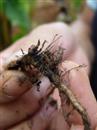
Detailed Guide to Identifying Symptoms of Banana Root Nematode Disease and Control Methods
What is banana root nematode disease and how is it controlled? Please provide an introduction. The introduction to banana root nematode disease and control methods is as follows: (1) Symptoms. Root nematodes infect the roots of banana. Affected large roots appear short and swollen, with cracking, and galls sometimes form on small roots. Sometimes they are destroyed before developing into large roots; when swollen, cutting the tissue open reveals brown dotted substances. Because of nematode damage, the roots become infected by pathogenic bacteria, causing root rot and leaving few effective roots. Above ground, the main symptoms are stunted plants, yellow leaves or clustered leaves, loose bunches, loss of green at leaf margins, many dead leaves, and wavy, crinkled leaves. In plants that have emerged from the bud, old leaves look scorched, withering from the leaf margin to the midrib. In severe cases, the fruit bunch cannot bend down normally, and the fruit is thin, small, shriveled and hard; sometimes the symptoms resemble bunchy top disease, except that the petiole has no "green veins".
-
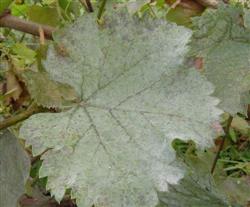
Which diseases should be the focus of prevention and control for grapes in summer?
Which diseases should be prevented and controlled when growing grapes in summer? Please provide an introduction. The following introduces three diseases that should be intensively prevented and controlled in grapevines in summer: Downy mildew: This disease mainly occurs on grape leaves and new shoots. When it develops, yellow or brown spots appear on the leaves, and in damp conditions there is also a layer of grayish-white mold on the leaves. It generally begins to develop from mid-to-late July...
-
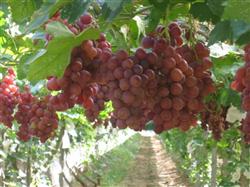
Red Globe grape summer disease control methods
How to control diseases in Red Globe grape cultivation in summer? Please provide an introduction to the control methods. Grape downy mildew, white rot, anthracnose and many other diseases have their peak incidence period in summer. The occurrence of downy mildew can cause grape leaf drop, withered branches, rotten fruit and even death. Therefore, in the rainy summer season, management of the Red Globe grape orchard should be strengthened, and...
-

How to prevent and control grape berry shrivel during summer high temperatures and drought
How to prevent grape berry shrivel during summer high temperatures and drought? Please provide guidance. During summer high temperatures, summer drought often occurs at the same time, which easily causes leaf transpiration to increase rapidly. Leaves not only obtain water from the roots through the stem, but also compete with the fruit for water to supply their transpiration. When the berries lose water and the fruit temperature rises, it will produce...
-

Can't get rid of mealybugs on your succulents? To control the pests, find the source first
Mealybugs are actually a group of small insects, and most of their bodies are covered with a waxy secretion. Mealybugs are one of the most common pests on succulents. They often gather in clusters on the stems and leaves of plants, sucking the sap from the stems and leaves, causing the plants...
-
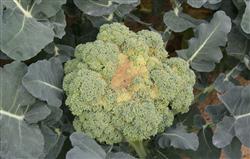
Cauliflower Cultivation Methods and Pest and Disease Control Techniques
How to grow cauliflower and control pests and diseases? Please note that cauliflower should be transplanted on a cloudy day or on a sunny afternoon, and watered thoroughly after transplanting. Do not transplant too deeply; the soil of the nutrient cup should be level with or slightly above the soil surface, and apply enough water to settle the roots. If there has been a long dry spell and the soil is dry, it is best to fill the furrows with water before transplanting and moisten the bed surface...
-
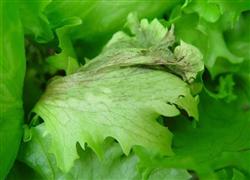
What are the control methods for lettuce brown spot disease?
How do you control lettuce brown spot disease? Please explain the control methods. Lettuce brown spot disease mainly damages the leaves. It generally spreads, expands, and infects through seed-borne disease and wind and rain. When plant growth is poor or excessive nitrogen fertilizer causes overly vigorous growth, the occurrence of the disease will worsen. There are two types of symptoms: one is initially water-soaked...
-
What diseases should be prevented and controlled during the cultivation of white sesame?
What diseases should be prevented when growing white sesame? Please explain that the following diseases should be prevented when growing white sesame: 1. Characteristics of major disease occurrence. The main sesame diseases include sesame stem spot blight, sesame Fusarium wilt, sesame bacterial wilt, sesame Phytophthora blight, etc. 1. Sesame stem spot blight. Sesame stem spot blight is also called sesame stem blight, sesame black root madness, etc.
-
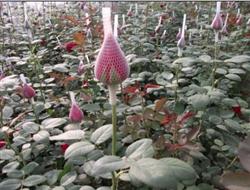
What are the common pests and diseases of roses? A detailed guide to prevention and control methods
Common rose diseases include rust, black mold, and powdery mildew. Rust often affects rose leaves, young branches, and flowers. In the early stage of the disease, rust-red spots appear on the leaves, and in severe cases the leaves wither, scorch, and drop off, affecting flowering the following year. Diseased leaves should be removed promptly and destroyed in a centralized manner. You can also spray once every half month from May to August...
条件筛选