-
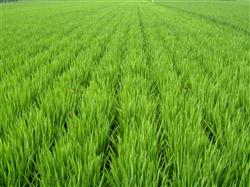
Causes and Control Methods of Rice Deadheart Disease
Key Points of Rice Dry Seedbed Cultivation Technology 1. Apply sufficient base fertilizer: In combination with deep ploughing or leveling the field with irrigation water, apply 30-40 kg of rice-specific compound fertilizer, ammonium bicarbonate and 20-25 kg of ordinary calcium superphosphate per mu, applied all at once as a middle fertilizer. Fields with broad bean as the previous crop should receive a larger amount, while vegetable or potato fields should receive a smaller amount. 2. Transplant shallowly and sparsely at the right time...
-
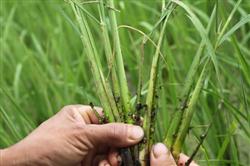
Key Technical Points for Controlling Diseases, Pests and Weeds in the Field After Rice Seedling Broadcasting
Southern rice black-streaked dwarf disease is a viral disease mainly transmitted by the white-backed planthopper. It mainly harms staple grain crops such as rice and corn. Once a crop is infected, the plant becomes stunted, tillering increases, and in the later growth stage the diseased rice cannot head or set grain, sometimes resulting in a complete loss of harvest, seriously threatening the safety of our county's grain production. In order to scientifically...
-
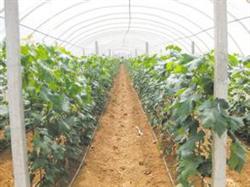
What pesticides are used to control common diseases of greenhouse grapes
Pesticide control measures for various diseases of greenhouse grapes: Control method for grape downy mildew: clean up the orchard, spray 5 degrees Baume lime sulfur mixture before bud break, spray once every half month starting from the young fruit stage, and spray 40% metalaxyl 800-1000 times dilution when the disease occurs. Control method for grape white rot: clean the orchard, starting from June every...
-
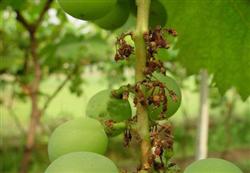
What are the control methods for grape bunch stem blight?
Common grape diseases include: grape bunch stem blight, gray mold, powdery mildew, anthracnose, black pox, white rot, sunburn, and many other diseases. Here is an introduction to how grape bunch stem blight is controlled: grape bunch stem blight mainly damages young flower buds, the rachis, or young fruit, causing them to shrivel and dry up, resulting...
-
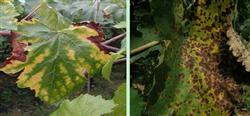
How to Prevent and Control Grape Leaf Blight? A Full Analysis of Practical Methods
Grape leaf blight starts on the lower leaves of the plant and gradually spreads upward. It can occur from June to November, with July to September being the peak period. It is severe in rainy years and in poorly managed vineyards. Prevention and control methods: 1. After autumn, thoroughly clear away fallen leaves in the vineyard to reduce or eliminate the overwintering source of the disease. During the grape growing season...
-
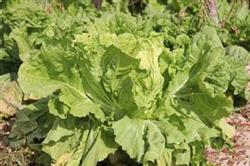
Detailed Explanation of Technical Measures for Chinese Cabbage Disease Control
Downy mildew, viral disease, soft rot, and tipburn are the main diseases of Chinese cabbage. 1. Downy mildew can occur from the seedling stage to the heading stage, mainly affecting the leaves of Chinese cabbage. It first appears on the lower leaves, producing water-soaked, pale yellow, angular lesions on the leaves, which gradually expand and turn yellowish-brown...
-
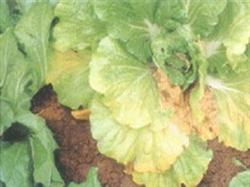
What are the control measures for cabbage yellow leaf disease (defoliation disease)?
Yellow leaf disease in cabbage-type vegetables is a general term for fungal-type yellow leaf disease of cabbage-type crops. Heading cabbage, yellow-bud cabbage and other Chinese cabbages, and pak choi are all affected by yellow leaf disease from north to south. Symptoms appear at the seedling stage. The damaging fungus is Verticillium fusarium of the genus Brassica, belonging to the Deuteromycotina. This disease can be controlled through chemical spraying or field...
-
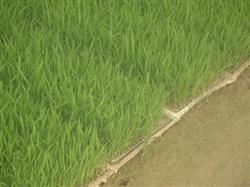
How to prevent and control pests and diseases during the rice seedling-raising period
During the rice seedling-raising stage, phenomena such as stunted rooting, yellowing, and stalled growth are prone to occur. For fields where stunted rooting has already occurred, drainage should be carried out immediately to increase temperature and aeration and reduce toxicity, and at the same time quick-acting nitrogen, phosphorus, and potassium fertilizers should be applied, along with supplementary micro-fertilizers, with zinc fertilizer being the key; where deficiency symptoms are present, the corresponding deficient nutrient fertilizer should be applied promptly. Withdraw the water and sun the field, or use circuitous...
-
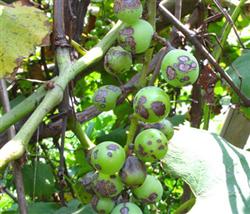
What are the control methods for grape black pox?
1. Eliminate the source of the pathogen. After the grapes drop their leaves in autumn, remove the fallen leaves and diseased clusters and bury them deep in a centralized pit. The old bark scraped off must be burned immediately. When the grape buds begin to swell in spring, spray with 3-5 degrees Baumé lime sulfur plus 0.3% sodium pentachlorophenate. 2. Strengthen cultivation management. In combination with summer pruning, carefully prune out diseased branches, diseased leaves and diseased fruit to reduce...
-
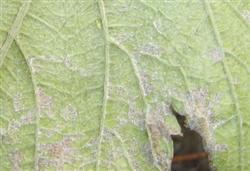
Control Methods and Technical Key Points for Grape Downy Mildew
Control methods: 1. Remove fallen leaves and diseased branches, bury them deep or burn them. 2. Timely pinch off growing tips, prune, drain and weed, and apply more phosphorus and potassium fertilizer. 3. At the early stage of the disease, that is, after July, apply chemicals as soon as slight lesions are seen on the underside of leaves. The chemicals include: Pubo, Ridomil, Sandofan, metalaxyl, Shuangmeiyitejing, etc., used alternately, spraying 4 to 5 times in a row...
条件筛选