How to prevent and control pests and diseases during the rice seedling-raising period
During the rice seedling-raising stage, phenomena such as stunted rooting, yellowing, and stalled growth are prone to occur. For fields where stunted rooting has already occurred, drainage should be carried out immediately to increase temperature and aeration and reduce toxicity, and at the same time quick-acting nitrogen, phosphorus, and potassium fertilizers should be applied, along with supplementary micro-fertilizers, with zinc fertilizer being the key; where deficiency symptoms are present, the corresponding deficient nutrient fertilizer should be applied promptly. Withdraw the water and sun the field, or use circuitous...
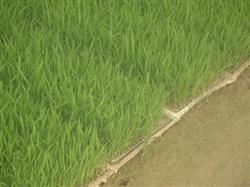
During the rice seedling-raising stage, phenomena such as stunted rooting, yellowing, and stalled growth are prone to occur. For fields where stunted rooting has already occurred, drainage should be carried out immediately to increase temperature and aeration and reduce toxicity, and at the same time quick-acting nitrogen, phosphorus, and potassium fertilizers should be applied, along with supplementary micro-fertilizers, with zinc fertilizer being the key; where deficiency symptoms are present, the corresponding deficient nutrient fertilizer should be applied promptly. Withdraw the water and sun the field, or use circuitous irrigation to raise the irrigation water temperature, or carry out intermittent irrigation, so as to raise the soil temperature, promote root development, and enhance the resistance of the seedlings. Fertilizer deficiency and nutrient deficiency are the main causes of yellowing. The measures to prevent yellowing are: drain water to lower the temperature, raise the soil temperature of the seedbed, and apply ferrous sulfate, monopotassium phosphate, etc. to the seedbed to promote growth.
During the seedling-raising stage, the main targets for control are rice blast, rice planthopper, and stem borers. For the control of rice blast, prevention still comes first at present. Once it occurs at the seedling stage, control must be carried out immediately. Suitable agents include tricyclazole, Fuji-one, etc. Before transplanting, carry out a general control of stem borers once; the main pesticides include fipronil and bisultap soluble powder. For controlling rice planthopper, 10% imidacloprid wettable powder can be used. In addition, during the seedling stage of dry-raised seedlings, 70% dexon or Guangkuling 1000-fold solution can be used to control damping-off and cottony rot.