-
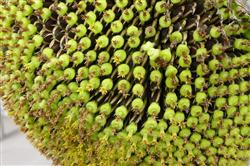
How to prevent empty sunflower seeds? You need to master these control methods
How to prevent empty sunflower seeds? Let me explain: empty seeds around the outer ring of the sunflower are mainly caused by poor pollination; empty seeds in the center of the sunflower are mainly caused by insufficient fertilizer and water and a lack of nutrients. Therefore, preventing empty sunflower seeds first means ensuring adequate fertilizer and water, and second means artificial supplementary pollination. First, strengthen fertilizer and water management. Sun...
-
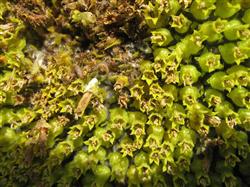
What are the control methods for the sunflower moth?
How to control the sunflower moth? Here is a detailed introduction to the methods. The sunflower moth larvae bore into and feed on the seeds and the flower disc, seriously affecting the yield and quality of sunflowers. In surveys conducted in different sunflower fields over the past two years, the low seed damage rate was 11.2%, the high was 40.6%, and the average seed damage rate was 21.4%. To improve...
-
How to prevent and control aloe pests and diseases? A full breakdown of practical methods
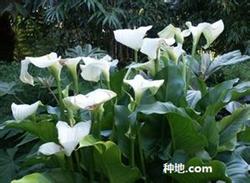
What should you do if you want calla lilies to bloom more? What techniques are needed to make calla lilies grow vigorously and bloom more? You must follow their habits and do the following: ① Plant them in fertile, loose, slightly acidic sandy soil, with a pH value of about 5.5-7. Calla lily growth mainly relies on base fertilizer; during the growth process, lack of fertilizer or excessive fertilization will both cause...
-
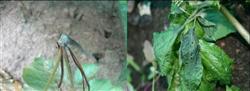
Ginseng Disease Prevention and Control Methods and Key Technical Points
Ginseng is a plant of the genus Panax in the family Araliaceae, mainly produced in China's Jilin, Liaoning, Heilongjiang and other provinces. Its roots, stems, leaves and fruits are used as medicine, and it has the functions of greatly tonifying vital energy, strengthening the heart and rescuing from collapse, benefiting the heart and restoring the pulse, promoting fluid production and calming the mind. There are many types of ginseng diseases, more than 20 in China, and those that currently occur commonly and cause serious damage in production include...
-
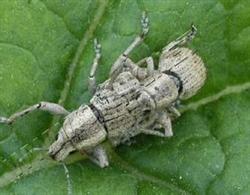
What are the control methods for the ginseng large gray weevil?
The large gray weevil, also known as the snout beetle or "tula lv", has an adult body length of 9-12 mm, grayish-yellow or grayish-black, densely covered with grayish-white scales. The head and rostrum are densely covered with golden shiny scales. The pests occurring this year mainly feed on tender stems and leaves on the soil surface during the seedling emergence period, causing great damage. When disturbed, they feign death and drop to the ground, causing damage in the early morning and evening....
-
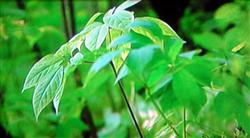
What are the control methods for ginseng click beetles?
The insect's scientific name is the click beetle, also known as wireworm, jinci rake, yellow youyan, etc., and its adult is also called the snapping beetle. It belongs to the order Coleoptera, family Elateridae. It causes the most serious damage to ginseng. It generally begins activity after the soil thaws, and the larvae mainly damage the underground root and stem parts of ginseng, generally in the layer from the ginseng root to 10 cm below the surface...
-
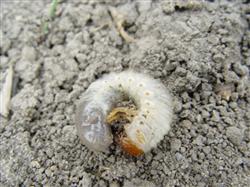
What are the control methods for ginseng white grubs?
White grubs are the larvae of large scarab beetles. They are voracious pests that can cause damage continuously. In spring, they begin activity when the soil temperature at 10 cm below the surface reaches 5°C; the optimal average soil temperature for activity is 13-18°C. Above 23°C they gradually move to deeper soil layers, and when the soil temperature drops in autumn to their suitable activity temperature, they move back up to the upper soil layers. Daily life...
-
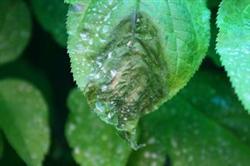
Detailed Explanation of the Occurrence and Control Methods of Ginseng Phytophthora Blight
This year the rainfall has been heavy, and the high temperature and high humidity are very suitable for the reproduction of the ginseng Phytophthora blight pathogen. The suitable temperature for the onset of ginseng Phytophthora blight is induced under soil temperatures of 10-30°C; soil temperatures of 20-26°C are most suitable for the disease to occur, while below 5°C and above 30°C the disease stops occurring. The main pathogen causing ginseng Phytophthora blight is the fungus of the genus Phytophthora in the subdivision Mastigomycotina...
-
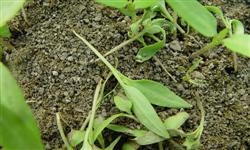
Prevention and control methods for pepper seedling death caused by high summer temperatures
How to prevent and control pepper seedling death in high summer temperatures? Please explain the methods. In summer, the hot and rainy climate conditions easily trigger the occurrence of various pepper diseases. When heavy rain is followed by sudden clearing and a sharp rise in temperature, disease epidemics are easily caused, and plants can die within 3 to 5 days, known as "dead plants." This disease is a devastating disease of peppers...
-
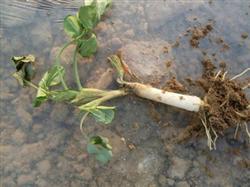
How to prevent and control peanut stem rot? A comprehensive analysis of practical methods
How to prevent and control peanut stem rot? Please explain. Peanut stem rot, commonly known as "rotten neck disease", generally occurs in the middle and late stages. After infection, the plant quickly withers and dies; in the late stage, infected plants' pods often rot or the kernels fail to fill, causing serious losses. The incidence rate in ordinary fields is 20%-30%, and in severe cases reaches 60%-70%, or even results in no harvest at all....
条件筛选