-
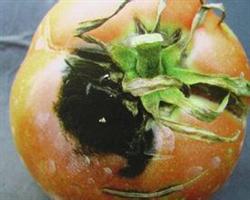
Control Methods for Physiological Disorders of Tomato
Physiological disorders often occur during tomato cultivation and greatly affect yield and quality. The most common ones include deformed fruit, hollow fruit, blossom-end rot, fruit cracking, rib vein browning, sunscald, and poor coloration. Deformed fruit. It mainly occurs during the period of flower bud differentiation and development. Under low temperature, excessive fertilizer (especially excess nitrogen nutrition...
-
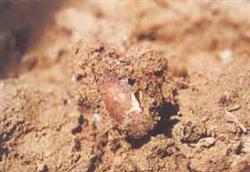
What to Do About Seed Rot in Spring Peanuts? Detailed Explanation of Causes and Control Methods
Symptoms: After spring peanuts are sown and before emergence, seed rot often occurs, with severe cases reaching 10%-20%, causing varying degrees of missing plants and broken rows. Causes: Poor seed quality or improper storage, or overly long storage periods; low-lying geothermal areas, heavy clay soil, poor soil texture, high soil water content, long emergence time for seeds, poorly firmed seedbed preparation, affecting...
-

-
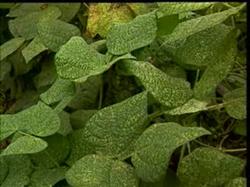
Identification and Control Methods for the Mung Bean Pest, the Legume Pod Borer
(1) Damage conditions. Also known as the cowpea pod borer, the legume pod borer, and the cowpea borer. It is fairly widespread in China, with severe outbreaks south of the Yangtze River. The larvae bore into and feed on the host's flower organs, causing flowers to drop; they bore into pods, causing pod drop in the early stage and pod and seed rot in the later stage. In addition, they can spin silk to tie several leaves together and roll them up, ...
-

What to Do About Empty Chestnut Burrs? Causes and Control Methods Explained
Causes of Empty Chestnut Burrs and How to Prevent and Control Them
-
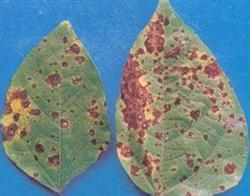
Control Methods and Precautions for Mung Bean Leaf Spot Disease
Mung bean leaf spot disease is a serious disease harming mung beans, causing the leaves to dry up, quality to decline, and yield to decrease. Below is an introduction to the symptoms, transmission routes, conditions for onset, and control methods of mung bean leaf spot disease. Symptoms: Mung bean leaf spot disease mainly harms mung beans, with the affected part being the leaves. ...
-
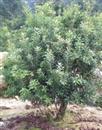
What are the main pests of bayberry (Chinese bayberry)? A detailed guide to integrated control methods
I. Bayberry crown gall disease 1. Symptoms: Bayberry crown gall disease is a bacterial disease. It mainly affects the branches and trunks of 2-3 year old fruiting trees, mostly forming tumors on the branches and trunks. The tumors are nearly spherical, varying in size, very hard and suberized, and brown to dark brown. Generally, the tumors on the branches and trunks begin to enlarge in early April, and in July-August...
-
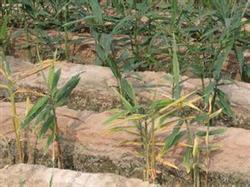
Effective control methods for ginger stem base rot
In recent years, with the continuous expansion of continuous ginger cropping areas, combined with extensive field management, ginger diseases have also shown a worsening trend, especially since June, due to high temperatures and frequent rain, ginger stem base rot is most likely to occur. Recently, Li Hualiang and Lu Changlei from Renzhao Town, Pingdu City, Shandong Province, and Yu Wanquan from Ju County and others reported that in their area...
-
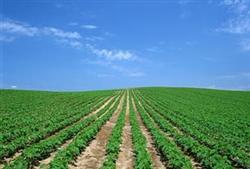
What are the main diseases of mung bean? Detailed explanation of control methods
When planting mung bean, chemical fertilizers cannot be used as fertilizer, and nitrogen-containing fertilizers should be avoided even more. Moreover, sowing cannot be done before rain, and when sowing, the seedlings should be even, so that balanced nutrition can be ensured. The field should be inspected in time, and areas with missing seedlings should be replanted in time, with seedlings thinned at the 4-leaf stage. In poor plots, during the seedling stage every...
-
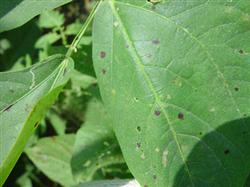
A Detailed Guide to the Main Diseases of Yardlong Beans and Their Control Methods
The main diseases of yardlong beans are leaf spot, fusarium wilt, phytophthora blight, root rot and rust; the insect pests include the legume pod borer, cutworm, thrips, leafminer and mites, and integrated pest management techniques should be used for control. The main methods for preventing and controlling diseases and pests are: choose fields that have not grown legume crops for more than two years for planting; clear weeds around the field...
条件筛选