Control Methods for Physiological Disorders of Tomato
Physiological disorders often occur during tomato cultivation and greatly affect yield and quality. The most common ones include deformed fruit, hollow fruit, blossom-end rot, fruit cracking, rib vein browning, sunscald, and poor coloration. Deformed fruit. It mainly occurs during the period of flower bud differentiation and development. Under low temperature, excessive fertilizer (especially excess nitrogen nutrition...
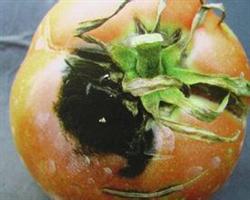
Physiological disorders often occur during tomato cultivation and greatly affect yield and quality. The most common ones include deformed fruit, hollow fruit, blossom-end rot, fruit cracking, rib vein browning, sunscald, and poor coloration.
Deformed fruit. It mainly occurs during the period of flower bud differentiation and development. Under low temperature, excessive fertilizer (especially excess nitrogen nutrition), and sufficient water and light, nutrients accumulate excessively at the growing point, the cells of the developing flower buds divide excessively, and the number of carpels becomes too great; after flowering, uneven development of the carpels forms deformed fruit with multiple locules. Among deformed fruits, the apex-cracking type or transverse-cracking type is mainly caused by unfavorable conditions during flower bud development that inhibit the transport of calcium to the floral organs. In addition, pointed fruit is easily formed under conditions of poor nutrition. To prevent the occurrence of deformed fruit, the temperature during seedling raising should not be controlled too low, and water and nutrients must be adjusted appropriately.
Hollow fruit. There are two causes of its occurrence: first, due to the influence of unfavorable conditions at flowering, normal fertilization cannot occur, there are no seeds in the fruit, and the placenta develops poorly, forming hollow fruit. Second, when growth-stimulating hormones are used, because the concentration is too high, or when they are applied at the bud stage, hollow fruit is easily produced. In cultivation, artificial pollination and the timely and appropriate use of hormones can avoid the occurrence of hollow fruit.
Blossom-end rot. Calcium deficiency at the blossom end of the fruit is the main cause of blossom-end rot. There are three reasons for calcium deficiency in the fruit: (1) calcium deficiency in the soil; (2) high soil temperature, dry soil, and excessively high soil solution concentration, especially too much potassium, magnesium, and ammoniacal nitrogen, which affects the plant's absorption of calcium; (3) under high temperature conditions, calcium moves slowly within the plant. To prevent blossom-end rot, lime should be applied to adjust acidic soil, fertilizer application should maintain a suitable soil concentration, the amount of ammoniacal nitrogen should be appropriately controlled, excessively high soil temperature and drastic changes in soil temperature should be avoided as much as possible, and the soil should be kept moist regularly during the fruiting period. A 0.5% calcium chloride spray can also be applied to new leaves and newly emerging inflorescences to prevent blossom-end rot.
Fruit cracking. There are many types of fruit cracking. Some crack in concentric circles centered on the calyx, some crack in a radial pattern, and there are also irregular side cracks or skin cracks. Generally, large-fruited varieties and ripe fruit are prone to cracking, especially in the early stage of fruit enlargement, under conditions of high temperature, strong light, and dry soil, when the epidermis at the shoulder of the fruit ages; when rain or heavy irrigation occurs, the fruit expands rapidly and cracking results. To prevent fruit cracking, in addition to selecting crack-resistant varieties, direct strong light on the fruit should be avoided, and uniform soil moisture should be maintained during the fruiting period. Boron fertilizer can also be added to enhance the plasticity of the fruit skin.
Rib vein browning. It is divided into the browning type and the whitening type. In the browning type, the vascular bundles and surrounding tissues inside the fruit turn brown; in the whitening type, the fruit skin and fruit wall harden and turn white. Both types are diseases induced by a variety of unfavorable conditions. To prevent rib vein browning, suitable conditions for normal tomato growth should be created, potassium fertilizer should be appropriately increased, and nitrate nitrogen should be the main form of nitrogen fertilizer applied.
Sunscald. In the high-temperature summer season, due to direct strong light, the temperature at the shoulder of the fruit rises, some tissues are scalded and die, forming sunscald. Varieties with smaller leaf area, exposed fruit, or thin fruit skin are more susceptible to the disease. To prevent sunscald, direct sunlight on the fruit should be avoided during the fruiting period. It is best to use a conical trellis or an A-frame trellis, and when tying the vines, place the fruit clusters in the leaf shade inside the trellis; appropriately increasing potassium fertilizer can enhance resistance.
Poor coloration. After the fruit has fully enlarged, whether its coloration is good or poor is not only related to temperature, but also closely related to the supply of nutrients. When nitrogen, potassium, and boron are deficient, fruit coloration is poor; moreover, when potassium is deficient, the vascular bundles of the fruit tend to lignify, and when boron is deficient, green color remains on the fruit shoulder. During the peak fruit enlargement stage, a lack of water in the fruit can also cause the fruit skin to become netted, the flesh to harden, and coloration to be poor. Therefore, in production, temperature and moisture should be well controlled, and balanced nutrition should be ensured.