-
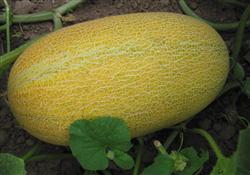
Main Disease Control Methods and Technical Key Points for Hami Melon
**The main diseases of Hami melon are Phytophthora rot and downy mildew, and powdery mildew. Bacterial leaf spot, gummy stem blight, viral disease and broomrape. The main control measures and pesticides are as follows: 1. Phytophthora rot (dead vines, wilt, rotten melons) (1) Select disease-resistant varieties (2) Use a middle furrow (15-20cm) with high beds (0....
-
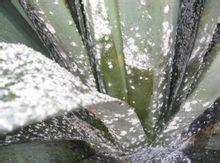
Identification and Control Methods for Pineapple Mealybugs
Pineapple mealybugs belong to the order Homoptera, family Pseudococcidae. Dysmicoccus brevipes is the most commonly seen species. The damage symptoms are caused by adults and nymphs feeding on the sap of pineapple rhizomes, leaves, fruits and seedlings. Affected leaves first show symptoms starting from the lower part, gradually fading upward to yellow and finally turning red-purple; in severe cases all leaves soften and droop...
-
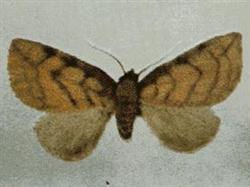
Control Methods and Technical Key Points for the Buckwheat Hook-wing Moth
The buckwheat hook-wing moth belongs to the order Lepidoptera, family Drepanidae. The adult has a body length of 10-13 mm and a wingspan of 30-36 mm, with 3 outward-curving ">"-shaped yellowish-brown lines on the forewings. The larva has a body length of 20-30 mm; young larvae are green or grayish-brown, gradually turning dark brown as the instar increases, and mature larvae are dirty white. This pest mainly...
-
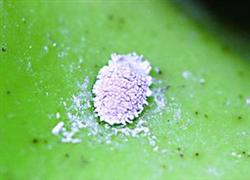
How to control pineapple mealybug? Detailed control methods
The pineapple mealybug, scientific name Dysmicoccus brevipes (Cockerell), belongs to the order Homoptera, family Pseudococcidae. Dysmicoccus brevipes is the most commonly seen species. Damage symptoms: adults and nymphs damage pineapple rhizomes, leaves, fruits and seedlings by sucking their sap. On affected leaves, symptoms first appear on the lower leaves, gradually fading upward to yellow and finally...
-
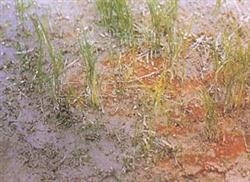
Green control methods for rice diseases, insect pests and weeds
Rice seedling rot refers to the death of rice seeds and seedlings during the seedling-bed stage (that is, seed rot, bud rot and seedling death), and can be divided into two major categories: physiological and infectious. Physiological seedling rot refers to that caused purely by adverse environmental conditions; infectious seedling rot mostly refers to adverse environmental conditions inducing weakly parasitic fungi such as Pythium, Achlya, Fusarium and Rhizoctonia...
-
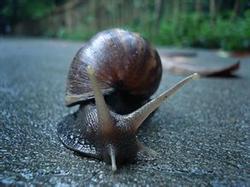
Occurrence and Control Methods of Jackfruit Stem-End Rot and Fruit Rot
The African giant snail, also known as the French snail, is a pest that harms pineapple. It mainly bites the base of the fruit from June to August when the fruit is ripe, leaving holes of varying depths, which makes the pineapple prone to infection by pathogens and rot, thereby reducing the commercial value of the fruit and even making it inedible. Control methods: (1) Manual capture. In the African giant snail...
-
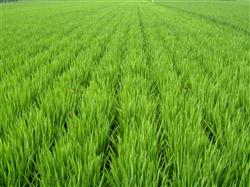
Causes and Control Methods of Rice Deadheart Disease
Key Points of Rice Dry Seedbed Cultivation Technology 1. Apply sufficient base fertilizer: In combination with deep ploughing or leveling the field with irrigation water, apply 30-40 kg of rice-specific compound fertilizer, ammonium bicarbonate and 20-25 kg of ordinary calcium superphosphate per mu, applied all at once as a middle fertilizer. Fields with broad bean as the previous crop should receive a larger amount, while vegetable or potato fields should receive a smaller amount. 2. Transplant shallowly and sparsely at the right time...
-
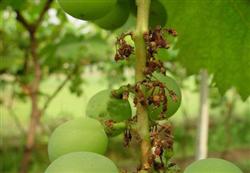
What are the control methods for grape bunch stem blight?
Common grape diseases include: grape bunch stem blight, gray mold, powdery mildew, anthracnose, black pox, white rot, sunburn, and many other diseases. Here is an introduction to how grape bunch stem blight is controlled: grape bunch stem blight mainly damages young flower buds, the rachis, or young fruit, causing them to shrivel and dry up, resulting...
-
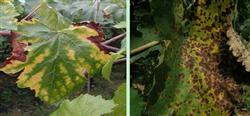
How to Prevent and Control Grape Leaf Blight? A Full Analysis of Practical Methods
Grape leaf blight starts on the lower leaves of the plant and gradually spreads upward. It can occur from June to November, with July to September being the peak period. It is severe in rainy years and in poorly managed vineyards. Prevention and control methods: 1. After autumn, thoroughly clear away fallen leaves in the vineyard to reduce or eliminate the overwintering source of the disease. During the grape growing season...
-
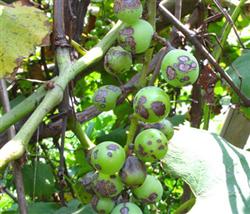
What are the control methods for grape black pox?
1. Eliminate the source of the pathogen. After the grapes drop their leaves in autumn, remove the fallen leaves and diseased clusters and bury them deep in a centralized pit. The old bark scraped off must be burned immediately. When the grape buds begin to swell in spring, spray with 3-5 degrees Baumé lime sulfur plus 0.3% sodium pentachlorophenate. 2. Strengthen cultivation management. In combination with summer pruning, carefully prune out diseased branches, diseased leaves and diseased fruit to reduce...
条件筛选