What to Do About Seed Rot in Spring Peanuts? Detailed Explanation of Causes and Control Methods
Symptoms: After spring peanuts are sown and before emergence, seed rot often occurs, with severe cases reaching 10%-20%, causing varying degrees of missing plants and broken rows. Causes: Poor seed quality or improper storage, or overly long storage periods; low-lying geothermal areas, heavy clay soil, poor soil texture, high soil water content, long emergence time for seeds, poorly firmed seedbed preparation, affecting...
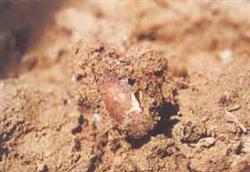
Symptoms: After spring peanuts are sown and before emergence, seed rot often occurs, with severe cases reaching 10%-20%, causing varying degrees of missing plants and broken rows.
Causes: Poor seed quality or improper storage, or overly long storage periods; low-lying geothermal areas, heavy clay soil, poor soil texture, high soil water content, long emergence time for seeds, poorly firmed seedbed preparation, affecting seed water absorption and resulting in weak seedlings; seeds not carefully selected, uneven in size, sowing not done carefully or at uneven depths, causing uneven emergence or missing plants and broken rows; continuous cropping for many years without rotation, severe seedling-stage diseases, causing missing plants and broken rows; application of inadequately decomposed organic fertilizer or excessively high fertilizer concentration, causing fertilizer damage, or prolonged low temperatures, causing delayed germination and emergence and resulting in seed rot.
Control methods: Carefully select seeds and use new peanut seeds; harvest seed peanuts at the appropriate time and dry them promptly, ensuring scientific storage; before sowing, sun-dry the seeds with shells on to speed up peanut metabolism, enhance seed permeability and improve seed water absorption; shell the seeds 1-3 days before sowing, and select large, undamaged seeds with un-germinated radicles for sowing.
Before sowing, treat seeds with chemicals: use 50% thiophanate-methyl or 50% carbendazim wettable powder at 0.1% of the seed quantity to dress the seeds, preventing seedling-stage diseases; you may also mix in 50% phoxim emulsion at 0.2% of the seed weight to control underground pests as well as bird and rodent damage.
Sow carefully, with a sowing depth of 4-6 cm, avoiding contact between seeds and fertilizer.
Use plastic film mulching technology, which raises the ground temperature by 2°C-3°C; after sowing, seeds germinate and emerge quickly, which can reduce disease incidence.
Irrigate scientifically and avoid flood irrigation.