A Detailed Guide to the Main Diseases of Yardlong Beans and Their Control Methods
The main diseases of yardlong beans are leaf spot, fusarium wilt, phytophthora blight, root rot and rust; the insect pests include the legume pod borer, cutworm, thrips, leafminer and mites, and integrated pest management techniques should be used for control. The main methods for preventing and controlling diseases and pests are: choose fields that have not grown legume crops for more than two years for planting; clear weeds around the field...
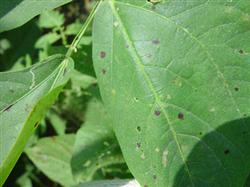
The main diseases of yardlong beans are leaf spot, fusarium wilt, phytophthora blight, root rot and rust; the insect pests include the legume pod borer, cutworm, thrips, leafminer and mites, and integrated pest management techniques should be used for control. The main methods for preventing and controlling diseases and pests are: choose fields that have not grown legume crops for more than two years for planting; clear weeds around the field and burn them in a central pile; carry out soil disinfection and sterilization treatment, either by flooding the field and letting it soak for 1 week, or by applying 0.5 kg of trichlorfon or 0.5 kg of dimehypo and 1 kg of carbendazim per mu; plant on raised beds and cut drainage and irrigation ditches properly to prevent waterlogging and root rot; apply more organic fertilizer, top-dress reasonably, and apply nitrogen, phosphorus and potassium in combination.
Use chemical pesticides rationally. For rust, use Baike and triadimefon; for leaf spot, use miebingwei and thiophanate-methyl; for fusarium wilt, use carbendazim, copper oxychloride and benomyl; for phytophthora blight, use metalaxyl, propamocarb, shadufan and ridomil; for root rot, use carbendazim, dexon and dixiao sterilization king. To control cutworms and other soil-dwelling pests, besides soil treatment, trapping and drenching can be used: for drenching, pesticides such as phoxim, trichlorfon and dimethoate can be used; for trapping, roasted fragrant wheat bran mixed with trichlorfon is applied around the field in the evening. For thrips, use kangfuduo, qixingbao and gaoxiao dagongchen; for the legume pod borer, use dimehypo, yitaibao and tianwangxing; for mites, use ketemanjing and tianwangxing; for leafminer, use dimehypo, trichlorfon, phoxim and haoniandong.