Winter Pest and Disease Control Methods for Kiwifruit Orchards
As the cultivated area and fruiting area of kiwifruit continue to expand, the occurrence and damage of pests and diseases are becoming increasingly serious. Winter pest and disease control in kiwifruit orchards can achieve twice the result with half the effort in promoting tree vigor transformation, pest and disease control in spring and summer, and the healthy growth of kiwifruit trees. According to surveys conducted by our station in recent years, the main diseases found so far...
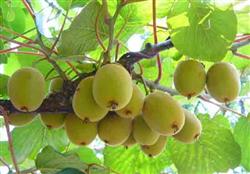
As the cultivated area and fruiting area of kiwifruit continue to expand, the occurrence and damage of pests and diseases are becoming increasingly serious. Winter pest and disease control in kiwifruit orchards can achieve twice the result with half the effort in promoting tree vigor transformation, pest and disease control in spring and summer, and the healthy growth of kiwifruit trees. According to surveys conducted by our station in recent years, the main diseases found so far in kiwifruit include: canker disease, bacterial blossom rot, root-knot nematode disease, root rot, leaf blight, black spot, etc. The main pests include scarab beetles, spotted lanternflies, stink bugs, small bark beetles, red spiders, peach borers, leafhoppers, crickets, etc.
After kiwifruit is harvested in late autumn, the tree body needs rest and fertilization to enhance overwintering resistance. After leaf fall, combined with deep plowing and pruning, dead branches, fallen leaves, and weeds should be cleared and pesticides sprayed to achieve effective control.
The main diseases of kiwifruit: in winter, the pathogens are all in a dormant period, parasitic in diseased branches, fallen leaves, and rotten fruit. Combined with winter pruning, diseased branches, insect-infested branches, fallen leaves, and fallen fruit in the orchard can be cleared and deeply buried or burned. This can effectively eliminate pathogens such as canker disease, leaf blight, and black spot, reducing infection sources.
To control root-knot nematodes, combined with deep plowing before winter, dig out diseased roots and fine root clusters in the topsoil 5-15 cm of diseased plants, clear diseased residues, reduce pathogens, and lessen damage.
Root rot can be infected through wounds caused by underground pests such as white grubs and cutworms. Therefore, combined with deep plowing, soil chemical treatment can be carried out to eliminate underground larvae and pupae. Use 3% carbofuran 3-5 kg per mu for soil treatment, which can eliminate both root-knot nematodes and underground pests, reduce the overwintering base of pests, and greatly reduce damage in the coming year.
For kiwifruit orchards with relatively severe canker disease, on the basis of winter pruning and orchard clearing, generally spray 1-2 times of 0.3-0.5 degrees Baumé lime sulfur mixture plus 1:1:100 Bordeaux mixture for comprehensive control.
Scale insects mostly overwinter on the main trunk and branches of trees. In winter, tools such as rags, straw bundles, and bamboo brushes can be used to wipe off dense overwintering pest sources, reducing the pest population in the coming year. Insect-infested branches on the vines can be removed together with winter pruning.
Pests such as leafhoppers and stink bugs lay eggs or overwinter as adults in weeds and dead leaves. Combined with orchard clearing and weed removal, they can be concentrated and deeply buried or burned to eliminate overwintering adults and eggs.
While combining winter pruning and orchard clearing, removing weeds, and deep plowing the soil, targeted comprehensive control of pests and diseases should be carried out to achieve the best control effect.