-
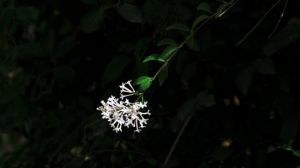
What are the cultivation methods and precautions for lilacs?
Growing lilacs requires fertile, loose soil with good drainage. If the soil is dry, water it appropriately, and pay attention to drainage during the rainy season. Fertilizer should be applied in appropriate amounts, generally once a year with decomposed compost. Propagation is usually done by sowing or cuttings. In addition, pay attention to preventing leaf spot and flower spot diseases, and spray with fungicide promptly when they are found.
-

How to grow Haworthia cooperi? The correct cultivation methods and precautions for Haworthia
Haworthia cooperi of the genus Haworthia does not actually like environments with abundant light; instead, it has a particular fondness for cooler, semi-shaded environments. Its main growing seasons are still spring and autumn, but when we grow Haworthia cooperi, we still need to ensure the potting soil has a certain...
-
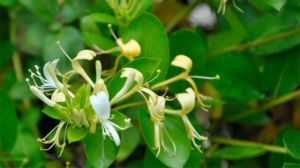
How to grow honeysuckle? Detailed growing methods and precautions
Soil: Choose soil suitable for honeysuckle growth, preferably fertile soil. Fertilizing: It is best to fertilize in spring and autumn, using organic fertilizer or general chemical fertilizer. Light: It likes sunlight, so keep it in full sun. Watering: Reduce appropriately in winter and increase appropriately in summer. For propagation, you can choose seed sowing or cuttings.
-
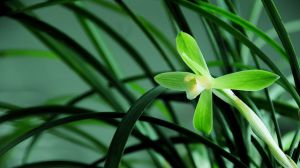
How to grow Cymbidium goeringii? A full analysis of cultivation methods and precautions
To grow Cymbidium goeringii, provide loose, fertile, slightly acidic soil and a temperature of 10 to 25 degrees. During the growing season, water according to the soil condition; during dormancy, water once every 5 to 7 days and apply dilute organic fertilizer. In addition, when it blooms, pay attention to bud thinning. When pests and diseases such as anthracnose and scale insects occur, take timely measures.
-
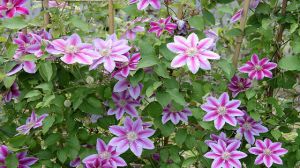
What are the cultivation methods and precautions for clematis?
To grow clematis, first provide well-drained, fertile, alkaline soil; water based on keeping the potting soil moist, without waterlogging; it needs full light, and direct sunlight is fine, though shade can be provided in summer; fertilizer is not needed in large amounts, with liquid fertilizer once every half month during the growing season. In addition, clematis wilt is relatively common and requires carbendazim. Pruning is needed in autumn and winter and during the flowering period.
-
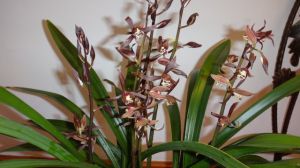
How to Grow Cymbidium sinense? Detailed Guide to Cultivation Methods and Precautions
To grow Cymbidium sinense, use a non-sticky, well-aerated acidic soil, give it appropriate sunlight, take good shade measures in summer, apply dilute liquid fertilizer in spring and autumn each year, then keep the temperature at 20-28°C, and also pay attention to good pest and disease control. Propagation can be done by division and tissue culture.
-
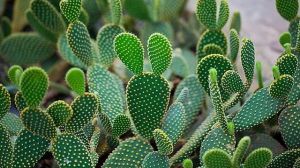
How do you grow cacti? Detailed guide to cultivation methods and precautions
To grow cacti, choose sandy loam soil with good drainage and aeration; water more in summer and strictly control water in winter; fertilize once about every twenty days in spring and autumn; the temperature is best at 20 to 30 degrees, and above 5 degrees in winter; generally they need particularly lots of light. They are prone to rot disease, and once it occurs, the diseased parts must be cut off, the pot changed, and water controlled.
-
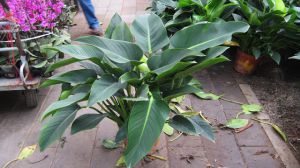
How to care for a Philodendron 'Golden Diamond'? Detailed guide to growing methods and precautions
To grow a Philodendron 'Golden Diamond', the temperature needs to be around 25°C, and not lower than 5°C in winter; a semi-shaded environment, but not too dark; keep it moist during the growing season, especially in summer, but do not let water accumulate; supply enough fertilizer during the vigorous growth period, mainly nitrogen fertilizer; it needs well-draining, nutrient-rich acidic sandy soil. In addition, regular pruning and repotting are required.
-
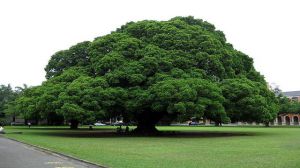
How to Grow a Banyan Tree? Detailed Care Methods and Precautions
To grow a banyan tree, the environment should be warm, and the winter temperature should also be above eight degrees; during the growing season, apply organic liquid fertilizer once a month, and in May and August also apply alum fertilizer water once a month; provide plenty of water, but do not let it become waterlogged; provide plenty of sunlight, and shade appropriately when the light is strong. In addition, repotting is also needed: young plants every two years, and old specimens every three to four years.
-
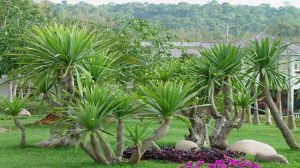
How to care for Dracaena: cultivation methods and precautions
To grow Dracaena, use loose, fertile soil with good air permeability; during the growing season, water every three to five days and mist appropriately; fertilizing mainly means applying a nutrient solution as a top dressing; it is relatively light-loving, with a light level of 40 to 50 percent; a temperature of around 20 to 28°C is fine, and in winter it should be above 8°C. In addition, pay attention to timely pruning.
条件筛选