-
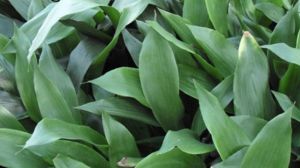
How to grow Aspidistra? Cultivation methods and precautions
Soil: Choose loose, fertile acidic soil whenever possible. Watering: Spray it with water frequently to keep it moist, and always make sure the potting soil is moist enough. Light: There is no need to place it in a bright, sunny spot, but it should not be in too dark a place either. Fertilizing: Before planting, mix leaf-mold base fertilizer into the soil, and apply diluted liquid fertilizer once a week.
-
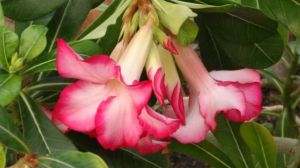
How to Grow a Desert Rose? Detailed Guide to Cultivation Methods and Precautions
Soil: Desert roses should be grown in sandy soil with good drainage. Watering: Watering does not need to be too frequent; in summer, water once every 2-3 days, and in winter, water about once every 7 days. Fertilizing: Fertilize in moderation, once a month is enough. Light: It likes to grow in a high-temperature environment with relatively sufficient light, and some warmth-preserving measures should be taken in winter.
-
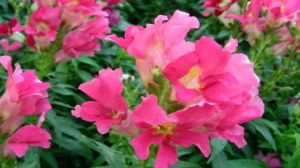
How to grow impatiens? Detailed guide to cultivation methods and precautions
Soil: Impatiens (impatiens, touch-me-not) prefers fertile, moist, loose soil. Watering: Water promptly during the growing season to keep the soil moist. Light: Provide about 4 hours of indirect light each day. Temperature: The most suitable growing temperature is 16-26°C, and the lowest temperature should not drop below 10°C. Management: Loosen the soil and remove weeds promptly, and prune old leaves regularly.
-
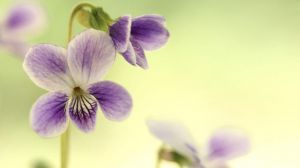
How to grow violets? Detailed guide to cultivation methods and precautions
Soil: Violets prefer well-drained, neutral to slightly alkaline soil. Light: They need some light, but not too intense. Temperature: The suitable temperature is 15-18°C. Watering: Water more appropriately when temperatures are high, and water less appropriately when temperatures are low. Fertilizing: During the vigorous growth period, a dilute fertilizer can be used, applying a compound fertilizer about every 10 days.
-
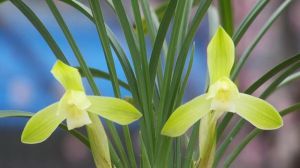
How to grow Cymbidium goeringii? Detailed guide to cultivation methods and precautions
Soil: It is best to choose slightly acidic soil with good air permeability. Temperature: The most suitable growing temperature is 16-24°C, and the maximum temperature must not exceed 30°C. Watering: Water once every 5-7 days in winter, once every 2-3 days in spring and autumn, and 1-2 times a day in summer. Fertilizing: It is best to use a special fertilizer, and apply light fertilizer frequently.
-
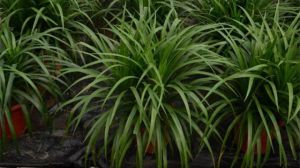
Dragon Tree Care Guide and Precautions
Soil: To grow a dragon tree, use loose soil with good air permeability. Light: Plenty of sunlight is fine, but it must not be exposed to scorching sun. Temperature: The most suitable temperature is 20-28°C, never above 32°C at most, and never below 10°C at minimum. Watering: Generally water once every 10-15 days, keeping the soil slightly moist.
-
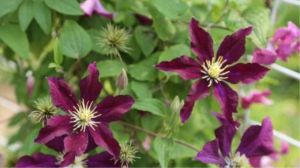
How to grow clematis? A complete guide to cultivation methods and precautions
Soil: well-drained, loose, fertile, alkaline soil. Watering: the amount of water must be small, and good drainage measures should be taken during the rainy season. Light: from autumn to the following spring it can be exposed to direct sunlight, and in summer shade measures should be taken. Fertilizing: during vigorous growth, fertilize once about every 15 days.
-
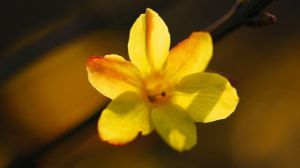
How to grow winter jasmine? Detailed guide to cultivation methods and precautions
Soil: requires fertile, well-draining acidic soil. Watering: water moderately and more frequently in summer to maintain air humidity. Light: give it plenty of light before flowering; during flowering, it is best placed in a room with partial sun and partial shade. Fertilizing: during the growing period, apply decomposed liquid fertilizer about once every 15 days; to make the flower colors vivid, apply an organic liquid fertilizer once before flowering.
-
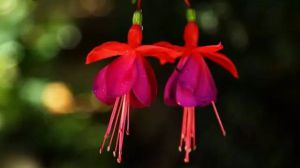
How to grow fuchsia? Detailed guide to cultivation methods and precautions
Soil: Use loose, well-draining soil. Fertilizing: Apply fertilizer once every 7-10 days during the growing season. Watering: Control the amount of water well, and always keep the potting soil moist. Temperature: The summer temperature should be 15-25°C, and the winter temperature should be 10°C. Light: It should not be too intense; when the summer temperature is high, shade it appropriately.
-

What are the cultivation methods and precautions for the banyan tree (Ficus microcarpa)?
Light: Plenty of light is best, and it should also receive some light in winter. Fertilizing: Apply decomposed fertilizer once a month during the growing period, but the amount must not be too much; generally no fertilizing is needed in summer and winter. Watering: Water it frequently to keep the potting soil sufficiently moist. Pruning: Prune appropriately in spring to increase light penetration and reduce the occurrence of pests.
条件筛选