-
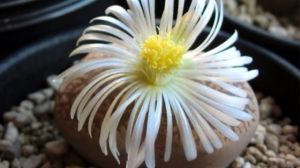
How to Care for Living Stones (Lithops)? Detailed Guide to Care Methods and Precautions
Growing living stones requires loose, well-aerated sandy loam soil and a consistently moist environment. The most suitable growing temperature is 15-25°C. In spring and autumn, they can be placed in direct sunlight. They can be propagated by seed sowing and by cuttings. Also, watch out for leaf spot disease and leaf rot disease.
-
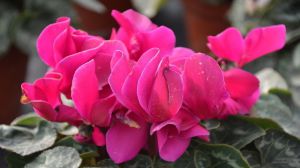
How to grow cyclamen? Detailed guide to cultivation methods and precautions
Soil: Use a fertile, loose, slightly acidic to neutral soil. Light: It likes sunlight but fears direct light. Watering: It likes moisture but fears waterlogging; keep the soil moist. Temperature: The optimum is 10-20°C; in summer keep it below 30°C, and in winter keep it above 0°C. Fertilizing: Apply monopotassium phosphate in spring and autumn; do not apply nitrogen fertilizer during the flowering period. Ventilation: Regular ventilation is needed.
-
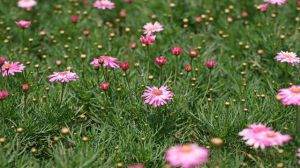
Marguerite Daisy Repotting Method and Precautions
If you want to move a marguerite daisy into a larger pot, first take the plant out of its pot, gently pull away the hardened parts of the roots, then place potting soil in the pot to one third of its depth, set the plant in, fill in with soil, press down, pinch back the top, and water; when repotting into a pot of the same size, you only need to remove a little more of the roots, add fresh soil, and prune and water appropriately.
-
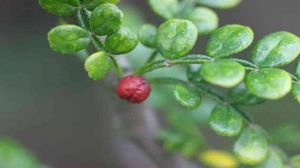
How to grow peppertree? Detailed growing methods and precautions
Watering: When growing peppertree, do not water it too much. Watering about once every three to five days is fine, and water thoroughly each time. Light: It is best to let it get some sun every day, but not for too long. Temperature: It likes warm growing conditions. In winter, the temperature should not be lower than 10°C, and in summer, the temperature should not be higher than 35°C.
-
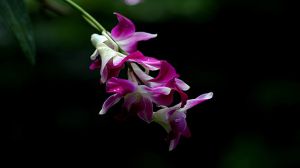
What are the cultivation methods and precautions for Dendrobium orchids?
Soil: To grow Dendrobium orchids, use loose, well-aerated soil. Humidity: It should be moist; when it is especially hot, spray water to increase humidity. Temperature: Normally 15-28°C, with a relatively large day-night temperature difference. Light: Semi-shade; it must not be exposed to direct strong light, and shade is usually needed. Fertilizing: Start fertilizing from the second year, applying a root fertilizer once each in April and November.
-
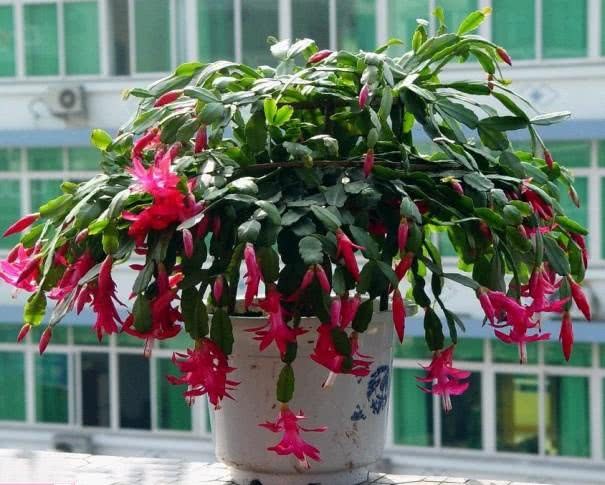
How to care for Christmas cactus during its summer dormancy? Keep these precautions in mind
The Christmas cactus has beautiful, brightly colored flowers, and many people like to keep one at home, but it is important to note that the Christmas cactus does go dormant, and we need to take good care of it during the dormancy period so that it can produce beautiful flowers when it blooms....
-
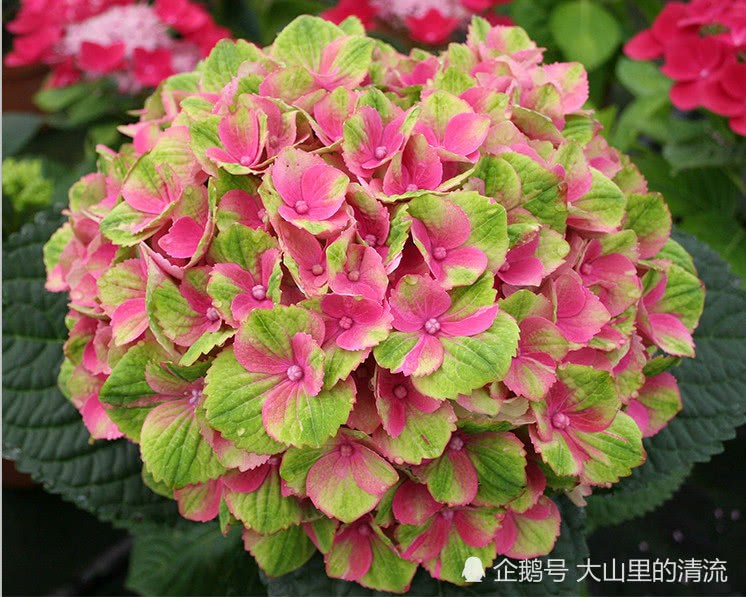
Spring care methods and precautions for hydrangeas
Although summer has already arrived now, and hydrangeas are currently in their glorious blooming period, how to make them bloom well right now makes spring care very important. If you don't know how to manage them and have missed this year's spring, you can still learn it and save it...
-
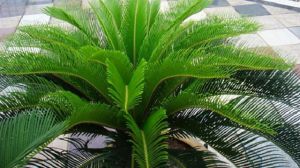
What are the cultivation methods and precautions for sago palm (Cycas revoluta)?
Soil: Sago palm needs a well-drained, loose, fertile, slightly acidic sandy soil. Light: place it in a spot with plenty of sunlight, especially when it is growing new leaves. Temperature: in winter it should not go below ten degrees; during high temperatures, spray water to cool it down. Water: once every three to five days in spring and autumn; twice a day in summer; once every ten days in winter. Fertilizer: mainly nitrogen and potassium fertilizers.
-

How to grow bamboo? Detailed guide to cultivation methods and precautions
Soil: To grow bamboo, use loose, fertile sandy soil, preferably neutral or acidic. Watering: Water thoroughly right after transplanting, but do not water too much afterward. Fertilizing: When planting or transplanting, you can mix some fertilizer into the soil, and after it grows, apply regular topdressing. Light: In summer it needs shading, and in winter place it in a spot with good light. Pests and diseases: Once discovered, promptly deal with diseased leaves.
-
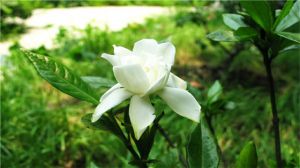
What are the care methods and precautions for growing gardenias?
Soil: Growing gardenias requires loose, well-aerated, slightly acidic soil with a pH between 5-6. Light: It needs plenty of light; except in midsummer, it can be grown directly in sunlight. Water: Keep the potting soil moist except in winter; in summer, take measures to raise the air humidity. Temperature: Normally 20-28°C, and 5-12°C in winter.
条件筛选