How to grow Cymbidium goeringii? A full analysis of cultivation methods and precautions
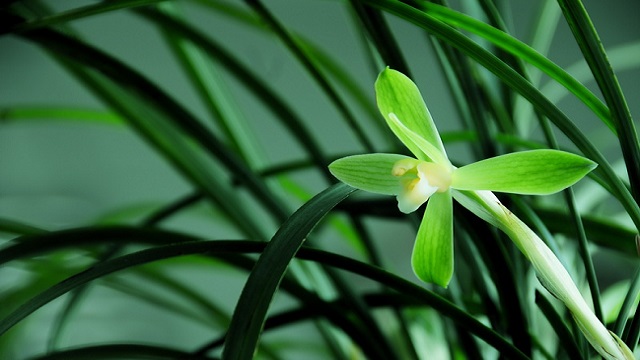
1. Growing environment
(1) Soil: Use loose, nutrient-rich, slightly acidic soil. For example, mix leaf mold and sandy loam evenly, each making up half.
(2) Temperature: The most suitable range is 10 to 25 degrees, though it varies at different times. From March to October, 18 to 25 degrees is best; from October to March of the following year, 10 to 18 degrees is best. In winter, keep it warm, at 3 to 8 degrees.
(3) Watering: In winter dormancy, the water requirement is not high, so water once every 5 to 7 days. During the growing season, observe the soil condition and water when it is dry. However, never use heavy watering, and do not let the water temperature be too low.
(4) Fertilizing: Use dilute organic fertilizer, or fertilizer specially made for orchids. It is needed more during the growing season, and the amount can be slightly larger; in winter during dormancy, it may be omitted. Never use high-concentration fertilizer or raw fertilizer.
2. Bud thinning during the flowering period
When the plant is flowering, choose the plump, healthy buds and remove the others to prevent them from wasting nutrients. In addition, when some flowers are about to wither, they should also be cut off in time. This helps reduce nutrient consumption and also benefits flowering the following year.
3. Pest and disease control
Cymbidium goeringii is prone to being affected by some pests and diseases, such as anthracnose and scale insects. Once discovered, promptly cut off the affected parts and spray the corresponding pesticide. At the same time, pay attention to ventilation and light transmission.