What are the cultivation methods and precautions for lilacs?
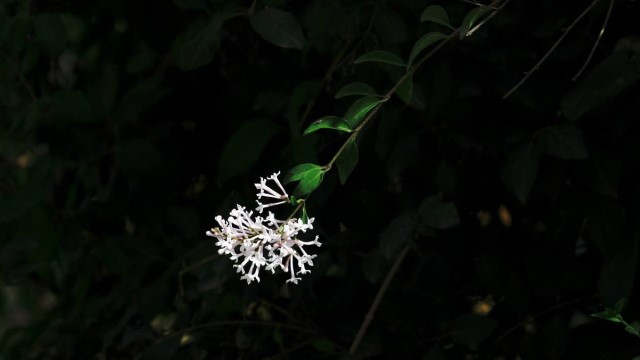
I. Growing environment
1. Soil: Lilacs do not have high requirements for soil; fertile, loose soil with good drainage is more conducive to their growth.
2. Watering: Before watering, check whether the soil is dry. If the soil is dry, water it appropriately; at other times, there is no need to worry too much about watering. In addition, during the rainy season, pay attention to drainage. If water accumulates, it will affect its growth and cause the roots to rot.
3. Fertilizing: The amount of fertilizer should be appropriate, just enough to maintain its normal growth. Generally, decomposed compost is applied once a year. Be sure not to apply too much fertilizer, as it may cause excessive vegetative growth of the branches and also affect flowering.
4. Light: It relatively likes sunlight, so when growing it, it is best to ensure sufficient sunlight.
II. Propagation methods
1. Seed propagation: Sowing in spring is most suitable. Before sowing, soak the seeds in water for 1-2 days, then mix with sand to promote germination. Keep the soil moist, sow after one week, then cover with soil, and they will sprout in about 1 month.
2. Cutting propagation: Select relatively robust branches free of pests and diseases, insert them into suitable soil, then control the temperature at 25°C. They will take root in about one month, and when the roots turn yellowish-brown, they can be transplanted.
III. Common diseases
1. Flower spot disease: There will be spots of varying degrees on the leaves, and in severe cases the entire plant will die. Make sure there is no water accumulation in the potting soil. When growing outdoors, strengthen drainage. After the disease occurs, spray with diluted Bordeaux mixture.
2. Black spot disease: Irregular dark brown diseased spots will appear on the leaves, along with black mold-like substances, and the leaves will gradually fall off. Remove diseased leaves promptly to avoid increasing sources of infection, and combine this with fungicide spraying.