How to Grow Cymbidium sinense? Detailed Guide to Cultivation Methods and Precautions
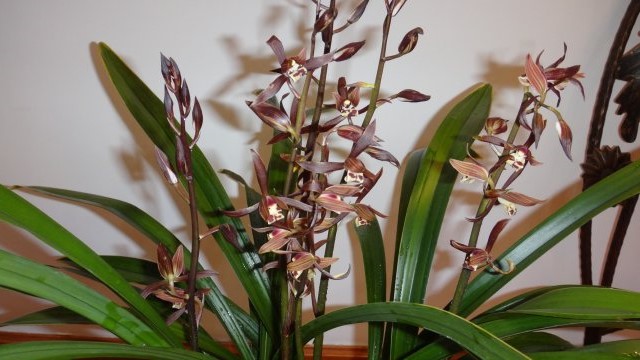
I. Growing Environment
1. Soil: Cymbidium sinense likes a moist soil environment. It is best to choose a non-sticky, well-aerated acidic soil, which allows its roots to grow better.
2. Light: It should receive appropriate sunlight, but in summer good shade measures must be taken, otherwise the leaves will turn yellow and may even stop growing. It is best to let it receive diffused light, and the sunlight should not be too strong. In winter, sunlight should be appropriately increased, but pay attention to the temperature to avoid frost damage.
3. Fertilizing: It is not demanding about fertilizer; even without fertilizing, it can grow normally. You can choose to apply dilute liquid fertilizer in spring and autumn each year, and once it enters the dormant period, there is no need to continue fertilizing.
4. Temperature: Under normal circumstances, the temperature should be kept at 20-28°C. Below 20°C, growth will slow down, and above 30°C, it will go dormant. In winter, the temperature should be kept at 10-16°C during the day and 5-10°C at night.
II. Propagation Methods
1. Division propagation: Prepare a flower pot, and choose loose, fertile sandy soil. Water lightly before dividing, select relatively robust stems, and you can use 5 connected pseudobulbs, cut them off and plant them in new soil. To ensure soil moisture, water thoroughly after dividing, and they will take root in about half a month.
2. Tissue culture propagation: Insert the new shoots of Cymbidium sinense into a container filled with nutrient solution, then fix them in place. In about a week, roots will grow, after which they can be moved to water for cultivation.
III. Common Pests and Diseases
1. Southern blight: It is more likely to occur in relatively humid environments. Promptly clean up the infected soil, remove the plant from its pot to check the extent of rot, cut off the rotten parts and disinfect them.
2. Black spot: It mostly occurs in hot and rainy seasons. If black-brown spots are found on the leaves, remove them promptly and strengthen ventilation.