Detailed Guide to Bergamot Cultivation Methods and Precautions
1. Light and temperature
Bergamot likes a warm, humid and sunny environment, so sufficient light must be ensured. In addition, the most suitable growing temperature for bergamot is 22°C-24°C, so attention should be paid to temperature control.
2. Watering
Bergamot tolerates waterlogging but not drought, so it should be watered frequently. In summer, water it in both the morning and evening; in winter, do not water so frequently, just keep the potting soil moist.
3. Fertilizing
Bergamot needs fertilizer for growth, so it should be fertilized at regular intervals, and the amount of fertilizer should be controlled and different fertilizers should be selected.
4. Soil
For bergamot, choose soil that is loose and has good drainage and water permeability, which helps keep the potting soil dry.
5. Pruning
To ensure stable growth for a high yield of bergamot, it needs to be pruned, which can ensure the growth of bergamot.
6. Pest and disease control
Bergamot is prone to diseases and pests. Once diseased branches are found, they should be cut off immediately and then chemical control should be used. If pests are found, insecticide should be sprayed immediately.
The above are the cultivation methods for bergamot. Isn't it easy to learn? I hope the effects and functions of bergamot introduced by the editor can help everyone better understand bergamot! Thank you for reading!
Bergamot Cultivation Methods
Introduction to Bergamot and Its Cultivation Methods
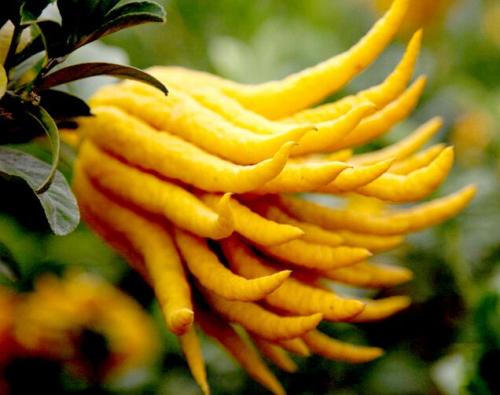
Bergamot is also known as five-finger citron, bergamot orange and golden bergamot. Best viewing period: November to December. Ornamental characteristics of bergamot: an evergreen shrub or small tree, 1-4 m tall. The branch tips are angular, and young branches are purplish red. Flower colors include white and purple, and it blooms 2-3 times a year. The fruit is orange-yellow and highly fragrant, with the top split like a fist or opening like fingers. Those with cracks like a fist are called Buddha's fist or closed bergamot, and those opening like fingers are called open bergamot or bergamot. The fruit is thick, and the pulp is almost completely degenerate. Suitable growing environment for bergamot: it likes a warm, humid climate. It likes light but avoids scorching sun exposure, and does not tolerate shade. It fears both drought and waterlogging. It is afraid of severe cold, and the most suitable temperature is 25-35°C. Cultivation methods for bergamot: use methods such as cuttings, grafting and layering. Cuttings are taken from late June to early July. Take spring shoots or autumn shoots from healthy mother plants as cuttings, remove leaves and thorns, keep 3-4 buds, about 13 cm long, and insert them obliquely into sandy soil to two-thirds of their length. Keep them moist regularly; they can take root in about 1 month, and after about 2 months, once they sprout, they can be divided and planted. Grafting mostly uses approach grafting and side cleft grafting, generally carried out during the plum rain season. Air layering is generally carried out from June to August. Select vigorously growing branches for air layering, use a knife to cut the bark about 3 cm long, or girdle the bark about 1 cm, wrap it with soil, then wrap the outside with plastic film, water frequently to keep it moist, roots can develop in about 1 month, and after about 2 months it can be cut off and transplanted. Cultivation and care of bergamot: it likes fertilizer, so fertilizer should be applied in time together with watering. When spring shoots sprout, apply once a week; during the vigorous growth period (mid-June to mid-July), apply twice a week, mainly with phosphorus and potassium fertilizers, with less nitrogen fertilizer, 2-3 times a month. After the fruit is harvested, to restore tree vigor, promote flower bud differentiation, and benefit flowering and fruiting the following year, extra fertilizer should be applied together with watering. During high temperatures and the hot summer period, in addition to watering in both the morning and evening, water should also be sprayed on the leaves and surroundings. After autumn begins, watering should be reduced accordingly. In winter, just keep the soil moist. In the initial stage of flowering and fruiting, to prevent flowers and fruit from dropping, it should not be watered too much. Remove all flowers that bloom from April to early June, because most of them are unisexual flowers and do not bear fruit. For flowers blooming around late June, each short branch should keep only 1-2 flowers, and the rest should be thinned out. During the flowering and fruiting period, new buds on dry branches should be removed, otherwise a large number of fruit drops will occur. Courtyard pairing for bergamot: its leaves are verdant and evergreen in all four seasons, its flowers are fragrant, and its fruit is golden and delightful with a peculiar shape. It is an excellent tree beautiful in color, fragrance and form. In the south it can be planted in the ground, as a specimen plant, in groups, and so on.Loading
Bergamot Cultivation Methods and Precautions
Bergamot Cultivation Methods
Temperature and light
The optimal growing temperature for bergamot is about 22-24°C. As long as the temperature is above 5°C, it can overwinter safely. It is best to ensure that the annual sunshine hours for bergamot are between 1200 and 1800 hours.
Watering conditions
The humidity for bergamot is generally 70%-90%. The root system of bergamot is shallow, so it needs frequent watering. The high-temperature period in summer is exactly the vigorous growth period of bergamot, when the water requirement is relatively large, so it should be watered in both the morning and evening, and spray water at the same time to increase the humidity of the surrounding air. After autumn begins, the amount of watering gradually decreases. In late winter and early spring, the temperature is relatively low, and because indoor evaporation is slow, watering should not be too frequent. Generally, water once every three to five days to keep the potting soil moist. In the initial stage of flowering and fruiting of bergamot, watering should not be too much, to prevent a large number of flowers and fruit from dropping.
Fertilizer conditions
Spring is the period when bergamot sprouts new shoots, and at this time fertilization should be light. It is best to apply a light nitrogen fertilizer once a week together with watering. In summer, bergamot has abundant flowers and fruit and a high fertilizer requirement, so the fertilizer concentration should be increased. In early autumn, a compound fertilizer of phosphorus, potassium and calcium should be applied, which helps increase the fruit-setting rate. After picking the fruit, phosphorus and potassium fertilizers should be applied in time to replenish nutrients for the plant, so as to restore its growth and lay a good foundation for flowering and fruiting the following year.
Soil
Choose loose, fertile acidic loam with good drainage for growth.
Precautions for Bergamot Cultivation
Pest and disease control
The main pests and diseases of bergamot include leafminer, red spider mite, rust mite, scale insect, anthracnose, and so on. The approach of "prevention first, integrated management" should be adopted. Once pests and diseases occur, corresponding measures should be taken in time, daily care measures should be adjusted, and chemical control should be carried out.
Pruning work
Bergamot grows rapidly and has many branches, so pruning and shaping must be done every year to keep the tree growing vigorously and the branches evenly distributed. In the peak flowering and fruiting period, pruning is generally carried out after budding begins in March and after fruit harvest in autumn and winter. After fruit harvest and before budding in March, carry out pruning and shaping, cutting off crossing branches, dead branches, diseased branches and leggy branches. Short branches should be retained as much as possible, because many short branches are fruit-bearing mother branches. Except for the few needed to expand the crown, all other summer shoots should be cut off.
Repotting work
Generally, repotting should be carried out once every 2-3 years, either in February-March or September-October, and new nutrient soil should be added at the same time. While repotting, bergamot can also be pruned moderately. After repotting, place it in a semi-shaded place for a period of care, after which normal care can be resumed.