Pearl Spiraea Bonsai Care Methods and Precautions
Potting soil
The potting soil should be a fertile loam with good permeability and strong drainage capacity. Apply an organic fertilizer once in late autumn and early winter, and apply a phosphorus-potassium fertilizer once before flowering. Water moderately on a regular basis to keep the potting soil moist; it must not stay overly wet for long periods, and waterlogging must be avoided even more. Potted plants should be placed in a spot with direct sunlight as much as possible. Low-temperature dormancy in winter is a physiological need, so they must not be placed in a greenhouse, which would avoid growth and flowering the following year. Place them in the open air in a wind-sheltered, sunny spot, or bury the pot with soil, and they can overwinter safely. Prune every year after leaf fall and before bud break the following year, cutting out diseased and damaged branches, dry and withered branches, and the thin, weak ones among the overly dense branches. Shorten overly long branches to keep a good plant shape with ventilation and light penetration, which is favorable for flowering.
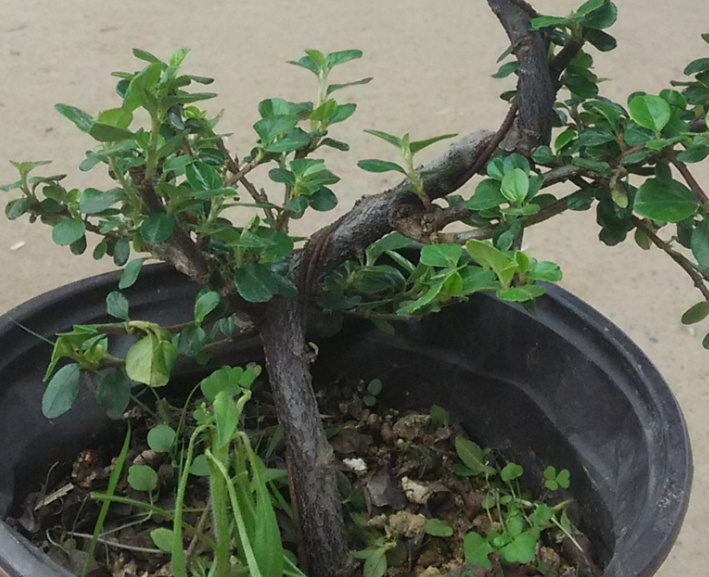
Temperature and light
When growing Pearl Spiraea, it likes a room-temperature environment with sunlight exposure. Mature plants can also tolerate cold and partial shade. Seedlings from autumn cuttings reach the following summer, which is exactly the period when tender shoots and tender leaves are growing.
Fertilizing
Fertilizing requirements are not high. At the time of initial planting, sufficient base fertilizer needs to be applied, which can meet its growth requirements, and generally no additional topdressing is needed. After that, combined with winter management, applying base fertilizer once every 1-2 years is sufficient.
Pruning
After Pearl Spiraea flowers fade, the inflorescences turn yellow and withered, affecting its ornamental appeal. Therefore, the remaining inflorescences should be cut off to keep the plant clean and tidy and to prevent the remaining inflorescences from competing with the plant for nutrients and water. After autumn or in early spring, diseased and pest-infested branches and old, weak branches should be cut off. Annual branches can be heavily pruned to promote branch renewal and abundant flowers and lush leaves.
Watering
During spring drought, water in a timely manner. During summer and autumn drought, water thoroughly to keep the soil moist. Before winter sets in, water once more.
For more content related to Pearl Spiraea, please follow Four Seasons Plants Network!
How to grow Pearl Spiraea bonsai, and the cultivation methods for Pearl Spiraea
Pearl Spiraea, also called Snow Spray, is a deciduous shrub, 2-3 m tall. The branches spread out; the branchlets are curved, hairless or slightly covered with short soft hairs, tender green when young, and dark yellow-brown or dark red-brown when old. In midsummer it produces elegant white flowers and has a very long flowering period. Pearl Spiraea is also often used to make bonsai. This article introduces to everyone how to grow Pearl Spiraea bonsai, as well as the cultivation methods for Pearl Spiraea.
How to grow Pearl Spiraea bonsai
1. It is not strict about soil, but grows better and flowers more profusely when cultivated in deep, fertile sandy loam.
2. It has low fertilizer requirements. When first planted, sufficient base fertilizer needs to be applied to meet its growth requirements, and generally no additional topdressing is applied. After that, combined with winter management, applying base fertilizer once every 1~2 years is sufficient.
3. During spring drought, water in a timely manner. During summer and autumn drought, water thoroughly to keep the soil from becoming dry; before winter sets in, water once with anti-freeze water.
4. After flowering, promptly prune away remaining flower branches, diseased and pest-infested branches, and old, weak branches to keep the plant shape tidy, avoid nutrient consumption, and promote robust growth with abundant flowers and lush leaves.
Cultivation methods for Pearl Spiraea
Pearl Spiraea has strong adaptability and low fertilizer requirements. Apart from newly planted plants needing a small amount of base fertilizer, no further fertilizer is needed afterward, but watering is required. Generally, water thoroughly 2-3 times from bud break to the flowering period, and water 2~3 times from the beginning of autumn to before frost, including one anti-freeze watering. In summer, water according to drought conditions; when there is a lot of rain, there is no need to water.
After Pearl Spiraea flowers fade, the inflorescences turn yellow and withered, affecting its ornamental appeal. Therefore, the remaining inflorescences should be cut off to keep the plant clean and tidy and to prevent the remaining inflorescences from competing with the plant for nutrients and water. After autumn or in early spring, diseased and pest-infested branches and old, weak branches should also be cut off. Annual branches can be heavily pruned to promote branch renewal and abundant flowers and lush leaves.
During dry weather, water in a timely manner to keep the soil moist. Before winter sets in, water once with anti-freeze water; after flowering, promptly prune away flower branches, and before winter sets in, prune away diseased and pest-infested branches and old, weak branches; before planting new plants, apply sufficient base fertilizer, and afterward fertilize once every 2~3 years.
That is all for how to grow Pearl Spiraea bonsai and the cultivation methods for Pearl Spiraea. We hope it can help everyone better care for Pearl Spiraea.
When does Pearl Spiraea bloom? How to grow Pearl Spiraea bonsai
Is there anyone who likes growing Pearl Spiraea? Today Flower Bonsai Network brings everyone the article "When does Pearl Spiraea bloom? How to grow Pearl Spiraea bonsai." Let's see how to grow Pearl Spiraea bonsai well.
When does Pearl Spiraea bloom
Pearl Spiraea is a shrub, tall, with spreading branches. The flowers are mostly white, like plum blossoms, and on them grow pearl-like beads. Its fruiting period is in September, so when does it bloom?
The flowering period of Pearl Spiraea
Pearl Spiraea mostly grows in mountain forests and is distributed in Liaoning, Heilongjiang and other places. Its flowers are mostly white, beautiful, and lightly fragrant, and its flowering period is generally in the period from July to August.
Factors affecting Pearl Spiraea flowering
Pearl Spiraea is not strict about soil, but the soil must also have a certain amount of nutrients. It is best in sandy soil, otherwise flowering will be affected.
Pruning during the flowering period of Pearl Spiraea and the prevention and control of pests and diseases will also affect flowering.
Powdery mildew on Pearl Spiraea will affect the growth of flower shoots and affect flowering.
Care measures for Pearl Spiraea flowering
If Pearl Spiraea is to bloom and bloom well, it must first be cultivated in fertile sandy soil, which is beneficial to plant growth and early flowering.
Second, after flowering, the branches should be pruned, cutting off the remaining flower branches and keeping healthy flower branches, which is more beneficial to the growth and opening of the flowers.
Finally, there is the treatment of diseases such as powdery mildew. Powdery mildew produces white powder that hinders the growth of flower buds, so prevention and control are needed. Attention should be paid to ventilation and reducing air humidity. Increase light and apply phosphorus fertilizer appropriately. Also be sure to cut off the diseased parts and spray chemicals. At the early stage of the disease, spray 70% thiophanate-methyl 800-fold solution or 50% amobam 800~1000-fold solution.
The flower language of Pearl Spiraea
Pearl Spiraea represents a pure and profound friendship, and also represents the lofty ambition of striving hard.
How to grow Pearl Spiraea bonsai
The care of Pearl Spiraea bonsai mainly lies in details such as temperature, watering, and potting soil. The maintenance of bonsai Pearl Spiraea is not as extensive as that of ground-planted plants. You must always pay attention to whether the potting soil needs timely watering, and also prune the branches and leaves regularly, so that the advantages of Pearl Spiraea bonsai can be better displayed.
Potting soil
The potting soil should be a fertile loam with good permeability and strong drainage capacity. Apply an organic fertilizer once in late autumn and early winter, and apply a phosphorus-potassium fertilizer once before flowering. Water moderately on a regular basis to keep the potting soil moist; it must not stay overly wet for long periods, and waterlogging must be avoided even more. Potted plants should be placed in a spot with direct sunlight as much as possible. Low-temperature dormancy in winter is a physiological need, so they must not be placed in a greenhouse, which would avoid growth and flowering the following year. Place them in the open air in a wind-sheltered, sunny spot, or bury the pot with soil, and they can overwinter safely. Prune every year after leaf fall and before bud break the following year, cutting out diseased and damaged branches, dry and withered branches, and the thin, weak ones among the overly dense branches. Shorten overly long branches to keep a good plant shape with ventilation and light penetration, which is favorable for flowering.
Temperature and light
When growing Pearl Spiraea, it likes a room-temperature environment with sunlight exposure. Mature plants can also tolerate cold and partial shade. Seedlings from autumn cuttings reach the following summer, which is exactly the period when tender shoots and tender leaves are growing.
Fertilizing
Fertilizing requirements are not high. At the time of initial planting, sufficient base fertilizer needs to be applied, which can meet its growth requirements, and generally no additional topdressing is needed. After that, combined with winter management, applying base fertilizer once every 1-2 years is sufficient.
Pruning
After Pearl Spiraea flowers fade, the inflorescences turn yellow and withered, affecting its ornamental appeal. Therefore, the remaining inflorescences should be cut off to keep the plant clean and tidy and to prevent the remaining inflorescences from competing with the plant for nutrients and water. After autumn or in early spring, diseased and pest-infested branches and old, weak branches should be cut off. Annual branches can be heavily pruned to promote branch renewal and abundant flowers and lush leaves.
Watering
During spring drought, water in a timely manner. During summer and autumn drought, water thoroughly to keep the soil moist. Before winter sets in, water once more.