-
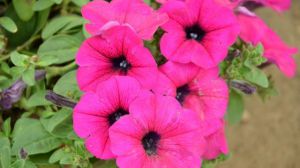
What to Do About Root Rot in Petunias? Cause Analysis and Solutions
To solve the problem of root rot in petunias, first take it out of the potting soil, wash it clean, cut off the rotted parts, disinfect them, let it dry, and plant it in fresh potting soil. Usually, control the amount of watering well; do not overwater, and wait until the soil dries out before watering. In addition, during the rainy season, provide it with timely rain cover; if you cannot cover it in time, drain the rainwater away promptly.
-
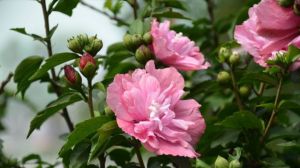
What to Do About Root Rot in Rose of Sharon? Cause Analysis and Treatment Methods
There are many causes of root rot in rose of Sharon (Hibiscus syriacus): if it is caused by poor soil drainage and aeration, replace it with well-aerated soil as soon as possible. If it is caused by excessive watering, loosen the soil appropriately and reduce the amount of watering. If it is caused by excessive fertilizing, reduce fertilizing appropriately and control the fertilizing frequency well, and water appropriately more to let the excess fertilizer leach out.
-
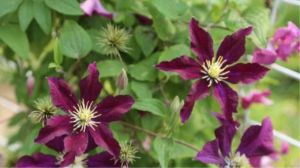
What to Do About Root Rot in Clematis? Cause Analysis and Treatment Methods
There are many causes of root rot in clematis: if it is caused by excessive watering, then the amount of watering must be controlled. If it is caused by poorly aerated soil, then loosen the soil appropriately, or replace it with loose, well-aerated soil. If it is caused by disease, then use medication promptly, cut off the rotted roots and disinfect them, and simply replant.
-
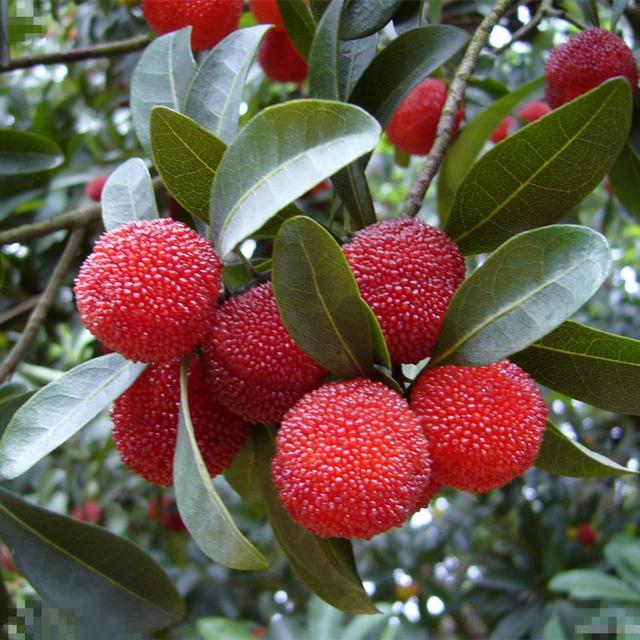
Why Do Bayberry Trees Decline? Cause Analysis and Rejuvenation Technical Measures
Causes of Bayberry Tree Decline and Rejuvenation Technical Measures. The northern mountainous area of Chao'an currently has about 1,173.3 hm2 of bayberry, an important fruit tree in the mountainous and semi-mountainous areas of Chaozhou City. The 'Dongkui' bayberry introduced at the end of the last century has significant benefits due to its large fruit and excellent quality, and planting...
-

What causes root rot in plum blossoms? Analysis of common causes
There are many causes of root rot in plum blossoms: if it is caused by heavy, clayey soil, then promptly replace it with loose soil that drains well. If it is caused by waterlogging, then take proper drainage measures. If it is caused by improper fertilizing, then fertilize reasonably and do not apply highly concentrated fertilizer. Take it out of the pot, cut off the rotted roots and disinfect them, then replant.
-

-
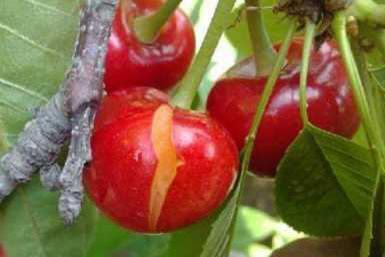
What to Do About Sweet Cherry Fruit Cracking? Cause Analysis and Prevention Measures
Causes of Sweet Cherry Fruit Cracking and Their Prevention Measures 1 Factors Affecting Fruit Cracking 1.1 Relationship Between Varietal Genetic Characteristics and Sweet Cherry Fruit Cracking It is generally believed that sweet cherry fruit cracking has a certain correlation with the characteristics of the variety itself, and sweet cherry cracking susceptibility is determined by genetic characteristics. The degree of cracking varies significantly among varieties, and the cracking susceptibility of the same variety also differs with different rootstocks. The cracking trait of the parents can be passed on to the offspring through inheritance. Yamaguchi et al. investigated the cracking behavior of 37 sweet cherry varieties and also found significant differences in cracking among varieties, which were positively correlated with fruit weight and flesh firmness. Greco et al. [Jishan Huayao] studied the cracking resistance of 30 sweet cherry varieties in the Apulia region of Italy, and the results showed that the cracking susceptibility of sweet cherries is related to genotype. Simon analyzed the cracking susceptibility of sweet cherry varieties and classified the cracking resistance of 51 major sweet cherry varieties grown worldwide into 5 levels: extremely resistant to cracking, resistant to cracking, relatively resistant to cracking, prone to cracking, and extremely prone to cracking. Among them, extremely resistant varieties include "Star" and "Sue"; resistant varieties include "Lapins" and "Sam"; relatively resistant varieties include "Summit", "Sunburst", and "Sylvia"; prone varieties include "Santina", "Stella", "Van", and "Sweetheart"; and extremely prone varieties include "Bing" and "Tieton". The cracking resistance performance of some of these varieties in Hungary differs slightly from their performance in China, which shows that the cracking susceptibility of the same variety also differs across different cultivation regions. Balbontín et al. used sweet cherry varieties with different cracking resistance as test materials and found that expansin genes are expressed at higher levels during the ripening stage of resistant fruits. Expansin genes can loosen the fruit skin cell walls and rapidly buffer cell wall tension, thereby preventing sweet cherry fruit cracking. Other studies have shown that fruit cracking is strongly correlated with the characteristics of epidermal cells at the fruit apex. Varieties with short epidermal cells at the fruit apex have milder cracking, while varieties with long epidermal cells at the fruit apex crack severely. Varieties with thick skin and neatly, tightly arranged cells are not prone to cracking; varieties with thin skin, large intercellular spaces, and loosely arranged cells are prone to cracking. Fruit cracking is related to poor skin extensibility and increased osmotic pressure of the flesh during fruit ripening.
-
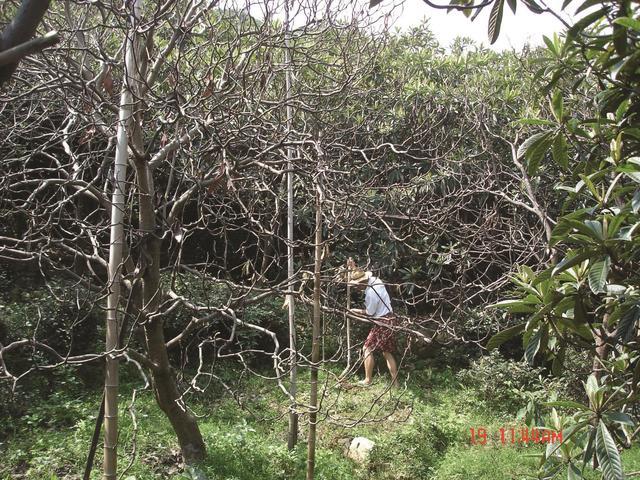
Cause Analysis and Control Measures of Diseases in White-fleshed Loquat
Cause Analysis and Countermeasures of Diseases in White-fleshed Loquat Jiangsu Province has a long history of loquat cultivation, with more than 40 loquat cultivars and obvious advantages in germplasm resources. In 2016, the loquat area in the province was more than 28,000 mu, of which 23,000 mu was in Dongting Mountain, Suzhou, accounting for the whole...
-

What to Do If Plum Blossoms Won't Bloom? Cause Analysis and Solutions
There are several reasons why plum blossoms won't bloom: if the spot is too dark, move it to a place with strong light and good ventilation. If it hasn't been pruned in time, cut off its top and prune it appropriately. If it lacks nutrients, change the soil and fertilize. If it is waterlogged, drain it promptly.
-
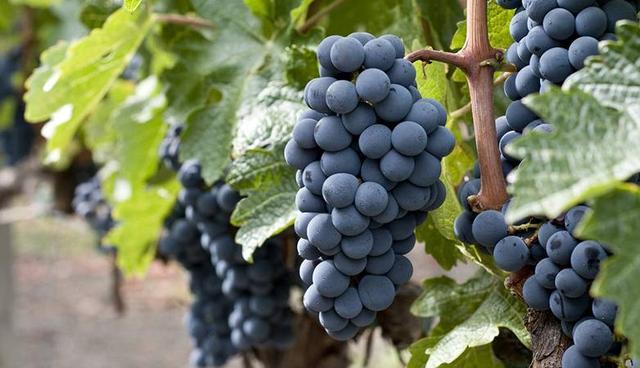
What to Do About Uneven Grape Berry Size? Cause Analysis and Control Measures
Causes and Countermeasures of the Uneven Berry Size Phenomenon in Grapes 1 Main Causes of the Uneven Berry Size Phenomenon in Grapes 1.1 Internal factors. The primary cause is degeneration to which the variety is prone; as Kyoho grapes age with increasing years of growth, degeneration of the tree's genes is one of the causes of uneven berry size.
条件筛选