-
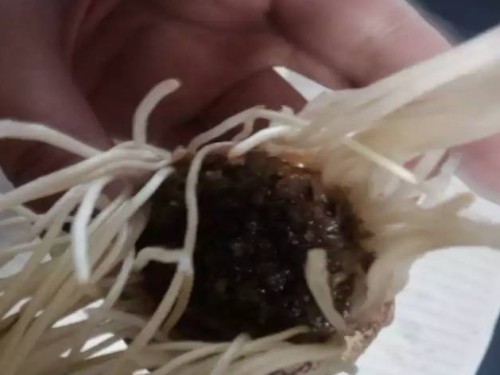
What to Do About Root Rot in Hydroponic Plants? Cause Analysis and Treatment Methods
Anyone who loves growing green plants knows that hydroponic plants are generally easier to grow than soil-grown plants. However, if they are not properly cared for, hydroponic plants are also very prone to root rot. So-called root rot means the plant's roots turn yellow, black, and soft; when you gently pull at the base of the root with your hand, the outer skin peels off very easily, leaving only the woody part.
-
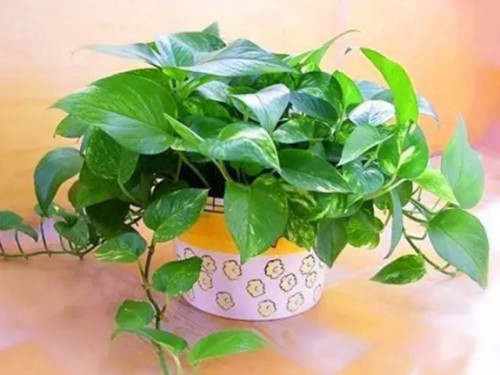
What causes root rot in pothos? An analysis of common causes
Pothos is called the easiest plant to grow by plant lovers. When it comes to hydroponic flowers, pothos is probably the first thing everyone thinks of, because pothos can be grown not only in soil but also in water, and pothos has always been called the easiest plant to grow by plant lovers. However, some plant lovers still run into root rot in pothos, so what should be done about pothos root rot
-
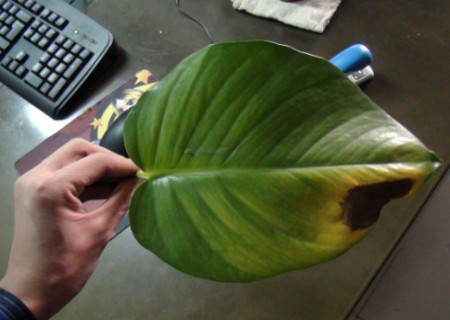
What to Do About Yellow Leaves on Hydroponic Pothos? Cause Analysis and Solutions
Some people say pothos is very easy to grow and will survive as soon as it touches water, but what you may not know is that newly purchased pothos, whether grown hydroponically or in soil, needs a period of adjustment, otherwise yellowing leaves are very likely to appear! Below is an analysis of what to do when the leaves of hydroponic pothos turn yellow
-
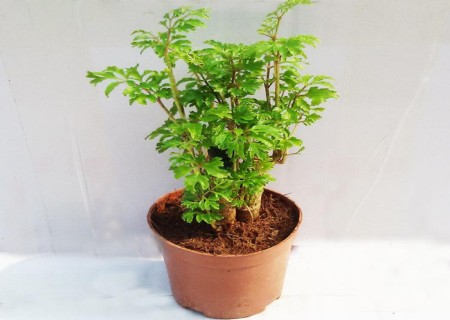
What to Do When a Polyscias (Ming Aralia) Drops Its Leaves? Cause Analysis and Remedies
Potted Polyscias is relatively easy to grow; just follow the general care and management methods for potted flowering plants, and it will basically not run into major problems. It is just that many indoor foliage plants are quite afraid of direct sunlight, but Polyscias is different: it can grow normally both indoors and outdoors in full sun
-
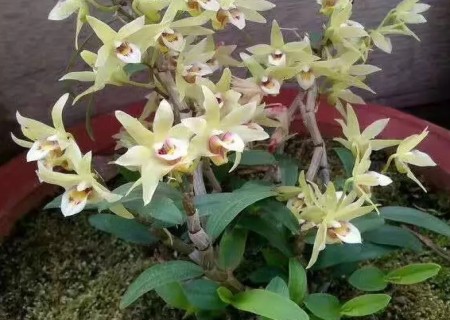
What to Do When Potted Dendrobium Orchid Leaves Turn Yellow? Cause Analysis and Solutions
Dendrobium orchids have extremely high medicinal value, which goes without saying, and since rare things are precious, many people rack their brains over how to grow and care for this rare plant well, especially when grown in pots. Many gardening friends always run into one problem or another while growing potted dendrobium orchids.
-
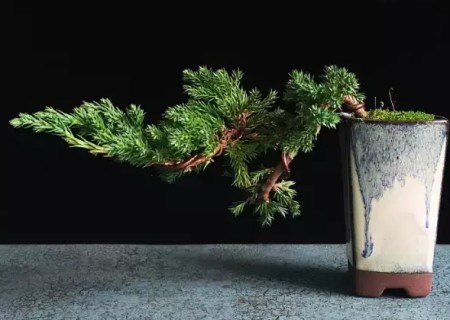
What to Do When the Leaves of a Chinese Juniper Bonsai Turn Yellow? Cause Analysis and Control Measures
Ground juniper, also known as creeping juniper and prostrate juniper, is an evergreen shrub of the genus Juniperus in the cypress family. The plant is low-growing, with no upright trunk; its branches grow in a creeping manner, parallel and slanting upward or close to the ground. The bark of the trunk is smooth when young and becomes rather rough after growing for some time. Its branchlets grow densely, and the leaves are needle-like with pointed tips
-
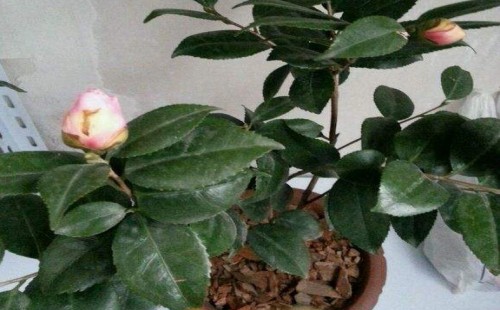
Camellia buds not opening? Cause analysis and solutions
Camellia flowers are large and gorgeous, and many people grow them as potted plants for ornamental purposes precisely because of their brilliant blooms. However, what is the reason when a potted camellia only grows buds but does not bloom, or even drops its buds? Indeed, if a potted camellia only forms buds but does not bloom, it will inevitably affect its ornamental value.
-
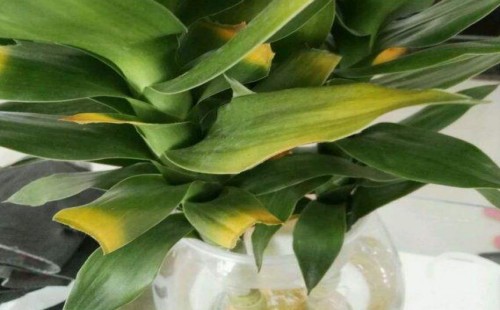
Can Yellowing Leaves on a Lucky Bamboo Be Saved? Cause Analysis and Rescue Methods
The stems of lucky bamboo are upright and elegant, with a graceful and unrestrained posture, growing thick and full of bamboo charm. It is a very good indoor foliage plant and an evergreen plant commonly seen in home environments. The elegant and handsome appearance of potted lucky bamboo has won the favor of many plant enthusiasts, but if its leaves turn yellow
-
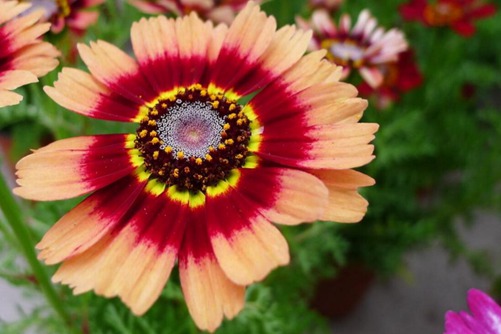
Why Ringed Chrysanthemum Does Not Bloom: Cause Analysis and Solutions
Ringed chrysanthemum (Ismelia carinata) is an herbaceous plant of the Asteraceae family. It gets its name from the three rings of color in its flowers. It has rich flower colors and a long blooming period. It is deeply loved by everyone and is often used to decorate flower beds or grown in pots for ornamental viewing. During the cultivation of ringed chrysanthemum, the problem of not blooming often occurs. How should it be handled?
-

What to Do About Root Rot in Nasturtium? Cause Analysis and Treatment Methods
How to deal with root rot in nasturtium: beheading and cuttings. For nasturtiums whose root rot is severe and has already caused leaves to turn yellow and drop, or that have already begun to wilt, you can try beheading and cuttings to re-cultivate the plant. Nasturtium is a plant of the family Tropaeolaceae and the genus Tropaeolum, a perennial semi-trailing or prostrate plant.
条件筛选