-
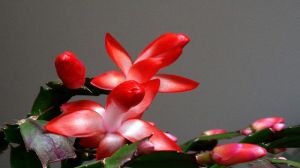
What to Do When a Christmas Cactus Drops Its Leaves? Cause Analysis and Solutions
When a Christmas cactus drops its leaves, there are mainly four situations. The first is that the temperature is too high, so the temperature needs to be kept within 30°C. The second is too much fertilizer or too high a concentration, so the concentration needs to be lowered and the amount of fertilizer reduced, especially in summer. The third is that too much water is usually given. In that case, watering needs to be controlled. The last one is caused by pests or diseases, so the corresponding pesticide needs to be sprayed.
-

What to Do When Orchid Leaf Tips Dry Up? Cause Analysis and Prevention Methods
Causes of Orchid Leaf Tip Drying and Prevention Measures
-
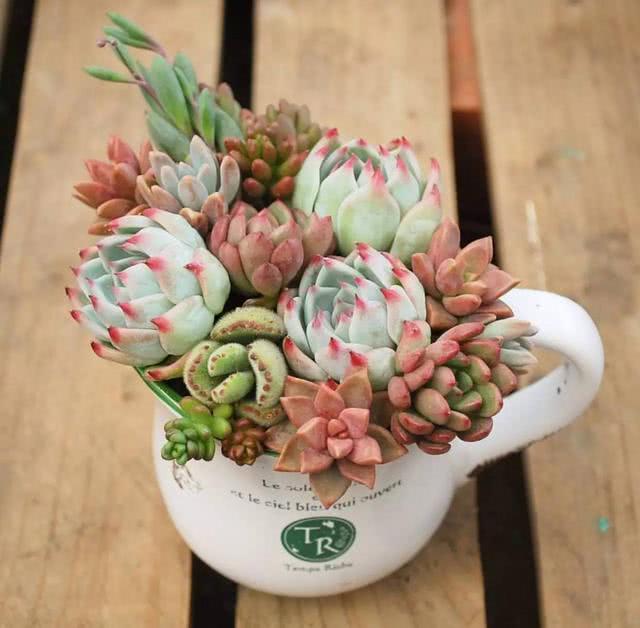
What to Do When Succulents Turn to Water? Cause Analysis and Leaf Cutting Rescue Methods
As living conditions have improved, people want to pay more attention to their health, so more and more friends like to place a few pots of succulents on their desks at home or at the office, which not only looks nice but also...
-
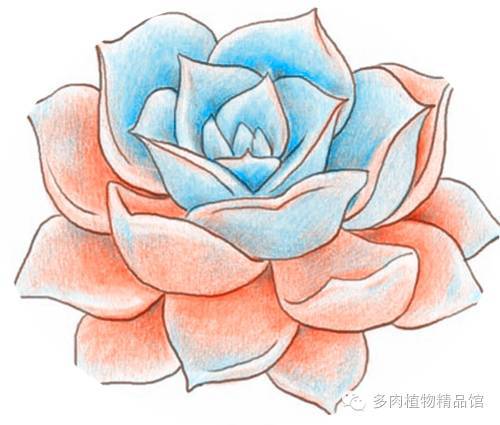
What causes a succulent to become a "stunted seedling"? Analysis of common causes
Text and images: Internet. When you notice that a certain succulent has shown no sign of growth for a long time (3 months or more), its leaves gradually wrinkle and shrink, and its color basically does not change, then it should be a "stunted seedling". This is usually because this succulent...
-
What to Do When Aglaia odorata Leaves Dry Up? Cause Analysis and Solutions
When Aglaia odorata is growing, its leaves may dry up. The causes are: first, too much or too little watering, so water only when the soil is dry and keep it moist but not soggy; second, improper fertilizing, so apply light fertilizer frequently; third, too strong light, so place it in a spot with diffused light; fourth, pests and diseases, so every 15 to 20 days sprinkle dry plant ash diluted 25 to 30 times onto the leaf surface.
-
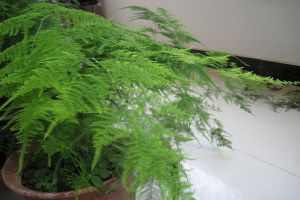
Why Is Your Asparagus Fern Dropping Leaves? Cause Analysis and Solutions
First, it could be a lighting problem: the light is too strong. In this case, you need to move it to a shady spot and mist the leaves with some water. Next, it could be too much water, causing root rot from waterlogged soil. Then you have to control the amount of water and loosen the soil for it. The third is a fertilizer problem: using fertilizer that is too concentrated or not fully decomposed. You need to take the plant out of the pot, remove the fertilizer, rinse it with clean water, and then put it back in. However, there is also a special case: severe leaf drop in winter may be due to not watering for a long time, so you need to water it appropriately.
-

What to Do About Root Rot in Anthurium? Cause Analysis and Treatment Methods
If a soil-grown anthurium develops root rot, it is mostly caused by root rot disease. First, the rotten roots must be cut off and then disinfected. After that, some chemicals can be sprayed, such as metalaxyl. If a water-grown anthurium develops root rot, the most likely cause is a water quality problem. The first thing to do is likewise to cut off the rotten roots and disinfect them. Then, change the water frequently; the requirements differ by season. The water level also needs attention: about one third of the container. When necessary, measures can be taken to increase the oxygen content in the water.
-
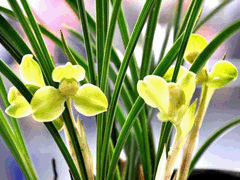
Several phenomena and cause analysis of orchids not blooming
Several phenomena and causes of orchids not blooming
-
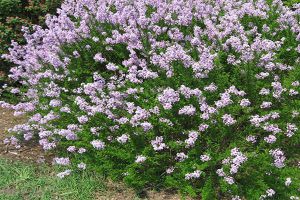
What to Do If Lilac Roots Rot? Cause Analysis and Solutions
Root rot is something most plants will experience, and the causes are quite similar; generally, there are causes such as overwatering, overfertilizing, and improper fertilizing. If it is due to overwatering, move it to a cooler and well-ventilated place. If it is due to overfertilizing, you can rinse it under water, and if it is too severe, consider repotting it. The treatment for improper fertilizing is similar to that for overfertilizing.
-

What to Do When Rose Leaves Curl? Cause Analysis and Solutions
If its leaves are curling, it may be infected with powdery mildew. In that case, remove the diseased branches and leaves, place it in a ventilated area, or use a chemical treatment directly. If it is caused by pests and diseases, remove both the insects on the leaves and those in the soil. If it is caused by too much water, dig it out and repot it in a new pot. If it lacks fertilizer, apply some fertilizer to its leaves.
条件筛选