-

What to Do When Tillandsia Leaves Dry Out? Cause Analysis and Solutions
There are three main reasons why Tillandsia leaves dry out. First, the light is too strong; after being exposed to strong sunlight, it easily dries out, so we need to move it to a shady place. Second, the temperature is too low, so we need to raise it above 16°C. Third, there is too little water, so we need to replenish it in time. In addition, if there is too much fertilizer or pest infestation, it may also cause its leaves to dry out, and then we need to address its pot and pest prevention.
-
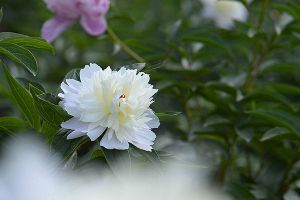
What to Do About Root Rot in Peonies? Cause Analysis and Solutions
Its root rot is mainly caused by soil that is too wet or by pest infestation. If it is the first cause, then we need to let the moisture in the soil evaporate; if it has developed disease because of this, spray it with medication in time. If it is the second cause, we need to drench the roots and use some thiamethoxam or pyrethroid-type products to control the pests.
-

What to Do About Root Rot in Carnations? Cause Analysis and Prevention Methods
If a carnation's roots rot, the beauty of its flowers will be affected. So what should we do? First, determine whether it is a disease problem or a soil problem. If it is the former, we need to cut off the rotten roots, then spray medicine for treatment, and afterward strengthen management by increasing the application of P fertilizer and K fertilizer. If it is the latter, we also need to first cut off the rotten roots, and then replace the soil with a flower soil that has better aeration.
-
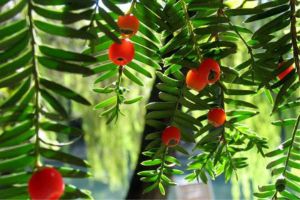
What to Do About Root Rot in Yew? Cause Analysis and Treatment Methods
When growing yew, root rot sometimes occurs. The main specific causes include overwatering, using unrotted fertilizer or over-fertilizing, insufficient light, and underground pests or diseases. To address these, we need to use methods such as controlling water, controlling fertilizer, supplementing light, and killing pests to remedy the situation.
-
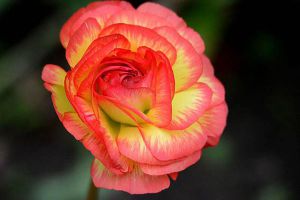
What to do when Ranunculus leaves turn yellow? Cause analysis and solutions
There are four reasons for this in Ranunculus: the first is water yellowing, the second is fertilizer yellowing, the third is drought yellowing, and the fourth is alkaline yellowing. If it is water yellowing, we need to control watering and move it to a shady place; if it is fertilizer yellowing, we need to flush out the excess flower fertilizer with water; if it is drought yellowing, we need to replenish water in time; if it is alkaline yellowing, we need to add some vinegar to it.
-
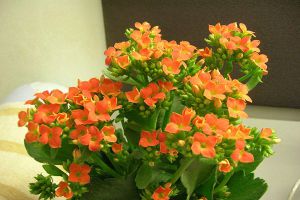
What to Do If Kalanchoe Leaves Are Small? Cause Analysis and Remedies
We can solve this problem from the aspects of temperature, fertilizing and light. This plant grows best in a temperature range of 15 to 25, and liquid fertilizer two to three times a month is also important, and we must also ensure it gets eight to nine hours of light a day. This way, its leaves will become green and large.
-
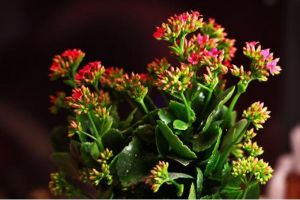
What to Do When a Kalanchoe Has Root Rot? Cause Analysis and Rescue Methods
After it develops root rot, here is what you can do. First, take it out of the pot and cut away the rotted tissue. Next, apply a disinfecting agent to the wounded areas. Then, prune away some useless or dry, yellowing branches and leaves. Finally, do cuttings, and after a few days just care for it normally.
-
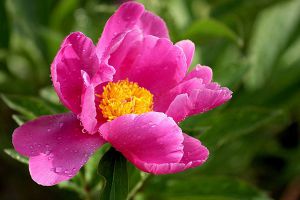
What to Do When Peony Leaves Turn Yellow? Cause Analysis and Solutions
When you are growing peonies, the leaves may turn yellow. What should you do then? First, we need to find the cause of the yellowing leaves, and then take the corresponding measures: if the soil is too dry, repot it with looser soil; if the fertilizing was improper, fertilize it the correct way; if it was pruned too early, remove the yellow leaves and care for it slowly; if it has been watered too much, place it in a cool, airy spot.
-
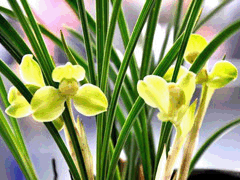
What causes tip burn in orchid seedlings? A principle-based analysis with prevention first
Let's talk about the tip burn problem in orchid seedlings from the principle level! Prevention first!
-
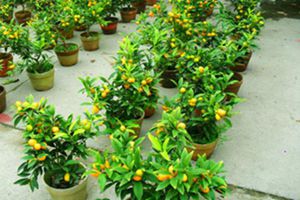
What to Do When a Kumquat Tree Drops Its Leaves? Cause Analysis and Solutions
This kind of leaf drop may be caused by insufficient nutrients; for example, when nitrogen is lacking, its leaves will fall. When caring for it, the owner should fertilize it appropriately. If tap water is used to water the tree, its iron content will decrease, which can also lead to leaf drop. When it suffers from pest damage, yellow spots will also appear on the leaves and they may even fall. At this point, we need to identify the cause accurately and promptly make changes to conditions that do not suit its growth.
条件筛选