-

Cause Analysis and Control Measures for Physiological Diseases of Edible Fungi
Causes of Physiological Diseases of Edible Fungi and Their Control Measures
-
What to Do About Abnormal Mycelium Growth in Edible Mushrooms? Cause Analysis and Preventive Measures
Cause Analysis and Preventive Measures for Abnormal Mycelium Growth in Edible Mushrooms
-
Cause analysis and preventive measures for deformed mushrooms
In mushroom cultivation, the following deformed mushrooms occur at a relatively high rate. The causes and preventive measures are as follows: The "landmine mushroom" is caused by excessive ventilation of the mushroom house after the coarse soil particles are sprayed wet, low temperature, too late covering with fine soil, and overly wet fine soil particles, which make the primordia of the fruiting bodies attach too low; during the growth of the primordia, they are squeezed by the surrounding soil particles, so the mushroom shape is not round and the surface carries soil, resembling a "landmine." The preventive method is to strengthen water management; coarse and fine soil should be sprayed wet at the right time and slowly; after the coarse soil particles are sprayed wet, reduce ventilation and maintain the relative air humidity in the house at about 80%
-
What to Do When Oyster Mushroom Pinheads Die? Cause Analysis and Control Methods
In oyster mushroom production, due to unsuitable mushroom house environmental conditions and compost, as well as improper management or severe weather and other reasons, pinheads on the mushroom bed often shrink, turn yellow, and eventually die; sometimes pinheads on the bed surface die in batches, seriously affecting yield and economic benefits. For this, the author conducted extensive observational research and summarized the causes of mushroom death and control methods, presented as follows: 1 Continuous high temperatures In autumn mushroom production in northern regions, temperatures go from high to low, which is suitable for the growth and development of oyster mushroom fruiting bodies
-
Cause Analysis and Diagnosis and Treatment Methods for Mycelial Regression in Oyster Mushrooms
In the autumn and winter seasons of last year, mycelial regression occurred frequently in oyster mushroom production, and there were also sporadic cases this spring and summer. The symptoms of mycelial regression are as follows: the spawn blocks germinate normally, the colonization of the substrate is slower than normal, and growth from the spawn blocks is radial. When the mycelium length reaches 4-5 cm, the mycelium gradually becomes sparser starting from the spawn block, while the mycelium at the growing tips is denser and denser white and continues to develop, with the mycelium behind it fading and thinning accordingly, until finally the surface of the entire mushroom bag appears slightly grayish-white or even devoid of mycelium. At 40 days after inoculation, the mushroom bags appear grayish-white rather than the normal pure white, and no
-
What to Do When the Surface of Oyster Mushroom Substrate Turns Black? Cause Analysis and Control Methods
The main causes of blackening on the substrate surface and the control methods are: (1) Oyster mushroom mycelium soaked in water for a long time causes rot and blackening. In this case, the condensation water on the substrate surface should be absorbed and dried promptly. If it is grown on beds, excess water at the bottom should also be absorbed and dried promptly. (2) Contamination by foreign microorganisms and breeding of insect pests cause blackening. When blackening occurs, pests must be controlled or the affected part dug out promptly to prevent it from spreading.
-
What to Do When Oyster Mushrooms Do Not Fruit? Cause Analysis and Control Measures
In oyster mushroom cultivation, it is common to see no fruiting or abnormal fruiting after spawning, which leads to production failure and reduced production efficiency. For this reason, after many years of production and research, we have summarized the causes of no fruiting or abnormal fruiting and the solutions. 1. Sterile spawn The fruiting bodies of oyster mushrooms are formed by dikaryotic mycelium. If the spawn used in production is unpaired monokaryotic spores or the mycelium grown from them, it will result in no fruiting or low yield. Therefore, before production, a fruiting test of the spawn should be carried out to avoid abnormal fruiting and cause
-
What to Do When Shiitake Mushroom Logs Are Burned by Heat and Rot? Cause Analysis and Preventive Measures
From late June to early August 2003, Lishui City, Zhejiang Province experienced a historically rare continuous high-temperature and low-rainfall weather lasting more than 40d, with temperatures exceeding 40°C for 14d, among which the urban area of Lishui reached 43.2°C, breaking the historical extreme and ranking first in the country. This brought serious impacts on people's production and daily life, especially dealing a devastating blow to shiitake mushroom production. The mycelium of shiitake mushroom logs, harmed by high temperatures, exhibited phenomena such as black liquid oozing, rotting and log disintegration. Of the city's 350 million bags of flower shiitake mushroom logs, 150 million bags rotted due to high-temperature mycelium burning, accounting for
-
Main Problems and Cause Analysis in Pleurotus pulmonarius Cultivation
At present, the cultivation area of Pleurotus pulmonarius in our city has exceeded 50 million bags, making it one of the main edible mushroom varieties cultivated in our city, with good cultivation prospects and benefits. Pleurotus pulmonarius cultivation can be carried out year-round through low-temperature treatment in cold storage. However, due to improper season, variety, culture medium, temperature treatment and water control, phenomena such as failure to fruit or death of mushroom buds often occur. Through years of cultivation practice, we have explored and summarized the above problems for the reference of peers. 1 Variety selection Currently, the main variety cultivated in our city is the Pleurotus pulmonarius series introduced from Taiwan, China by Luoyuan
-
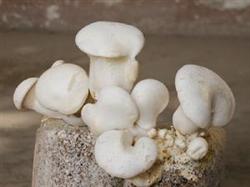
How to prevent deformed mushrooms in white king oyster mushrooms? Cause analysis and solutions
1. Unreasonable room and shed structure. White king oyster mushroom cultivation sites are divided into indoor mushroom rooms and outdoor mushroom sheds. Because of unreasonable design, air often does not circulate and severe oxygen deficiency occurs, causing the aerobic white king oyster mushroom to develop deformities. An ideal mushroom shed should face south from the north or face east from the west. The room or shed should not be too large. Generally, a rectangular shed room should hold 300... per shed.
条件筛选