-
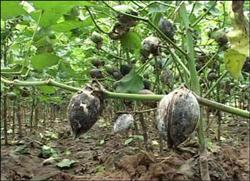
How to prevent and control cotton boll rot? Do this in hot and humid weather
How to prevent and control cotton boll rot in hot and humid conditions? Please explain the methods. Cotton boll rot can be prevented and controlled by referring to the following methods: 1. Rational fertilization: apply more organic fertilizer and phosphorus-potassium fertilizer, apply nitrogen fertilizer in appropriate amounts, prevent excessive vegetative growth of cotton plants, reduce canopy closure in the cotton field, and improve ventilation and light penetration. 2. Timely drainage: for low-lying...
-
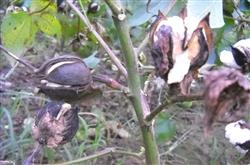
Why do cotton bolls rot? How to prevent and control cotton boll rot?
Why do cotton bolls rot? How to prevent and control cotton boll rot? Please give an introduction. Cotton boll rot occurs to varying degrees almost every year. Therefore, on the basis of understanding the conditions and causes of cotton boll rot, comprehensive measures should be taken for prevention and control, striving to reduce losses to a minimum. 1...
-
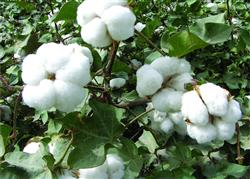
What are the key management techniques for the boll-opening stage of cotton?
How should cotton be managed during the boll-opening stage? Please advise. During the boll-opening stage, cotton can be managed by referring to the following methods: 1. Skillfully manage fertilizer and water to promote nutrient translocation. First, foliar feeding. For cotton fields where leaves lose green too early and show premature aging from nutrient deficiency, spray 50-60 kg per mu of a 1%-2% urea solution onto the leaves to extend the functional period of the leaves. For cotton fields that grow too vigorously and show late maturity with excessive vegetative growth, foliar spray of a 0.2% potassium dihydrogen phosphate solution or a 0.3% superphosphate soaking solution can be used to promote nutrient translocation and help improve boll opening. Second, prevent autumn drought.
-
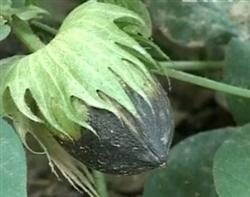
What are the control methods for cotton boll rot (boll)?
How to control cotton boll rot (boll)? Please introduce the methods. Cotton boll rot mostly occurs from mid to late August to early September. During this period, if there is cloudy and rainy weather with high humidity, and the cotton field is dense with poor ventilation and light penetration, various pathogens will rapidly breed and multiply. Common cotton boll rot diseases mainly include anthracnose, black boll disease, blight, red rot, pink rot...
-
What is the best time to apply boll fertilizer to cotton?
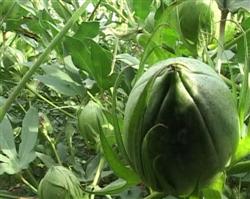
When is the best time to apply boll fertilizer to cotton? Here is an introduction. With boll fertilizer applied to cotton, there is no need to fear excessive vegetative growth. Some farmers worry that after applying boll fertilizer, cotton will undergo "secondary growth," staying green and late-maturing. In fact, this concern is unnecessary. First, because after cotton sets bolls in concentrated fashion, the direction of nutrient transport shifts from the main stem growing point to the fruiting branches that have set bolls; the bolls have the capacity to receive nutrients and will not cause "secondary growth." Second, the flowering and boll-setting stage is the second peak of carbon content in the cotton plant, while nitrogen content declines, soluble sugars increase, the carbon-to-nitrogen ratio is at its highest, and nutrient demand is greatest. The only fear is starving the plants, not excessive growth. Third, the middle and upper parts of the cotton plant have good ventilation and light penetration, and the boll-setting rate there can reach over 50%, more than 10 percentage points higher than the boll-setting rate in the lower part. With sufficient fertilizer, cotton can remain steady without decline.
-
What causes cotton boll rot?
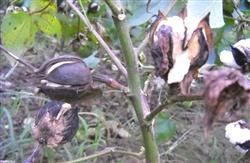
What causes cotton boll rot? Please give an introduction. Cotton boll rot is mainly caused by frequent rainfall accompanied by high temperatures and high humidity, which makes cotton boll rot rise sharply. According to a survey on August 25, in the hilly cotton areas, the average number of rotten bolls per plant was 1-1.5, and in the plain lakeside cotton areas, the average number of rotten bolls per plant was about 2. The first batch of...
-
How to prevent and control boll shedding in cotton during high temperatures?
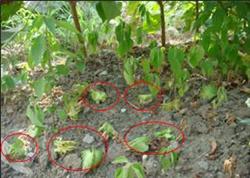
How to prevent and control boll shedding in cotton during high temperatures? Please introduce control methods. Boll shedding in cotton during high temperatures can be prevented and controlled by referring to the following methods: 1. Apply heavy boll fertilizer. Boll fertilizer is generally applied in 2-3 applications. The first and second applications are made at flowering and about 10 days after flowering. Quick-acting nitrogen fertilizer can be applied as a top dressing at 10-15 kg per mu, potassium...
-
Control methods for cotton boll rot (bolls) during the rainy season
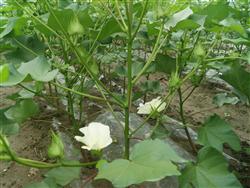
How to prevent cotton boll rot (bolls) during the rainy season? Please provide an introduction. During the rainy season, the following methods can be used to prevent cotton boll rot (bolls): 1. Scientific fertilization: Most of the cotton currently cultivated is insect-resistant cotton, which generally requires large amounts of base fertilizer and bud fertilizer, and no flower and boll fertilizer, to prevent excessive growth and increased shading. Nitrogen should be controlled, phosphorus increased, and...
-
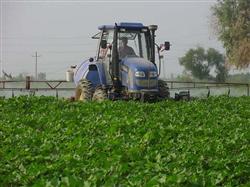
Cotton Cultivation Techniques: How to Spray Potassium Fertilizer During the Flowering and Boll Stage?
How to spray potassium fertilizer during the flowering and boll stage of cotton? Here is the method. When cotton enters the late flowering and boll stage, the root system's ability to absorb nutrients gradually weakens, while the buds and bolls on the above-ground part continue to grow and develop. In cotton fields lacking fertilizer, or fields with many bolls set in the middle and lower parts and poor nutrition in the upper part, potassium fertilizer should be sprayed in time. Potassium sulfate is the most suitable potassium fertilizer for spraying...
-
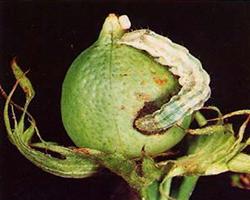
How are pests and diseases controlled during the flowering and boll stage of cotton cultivation?
How are pests and diseases controlled during the flowering and boll stage of cotton? Please advise. For the flowering and boll stage of cotton, the following methods can be used to control pests and diseases: First, the occurrence is severe and there are many species. According to forecast analysis, this year cotton pests and diseases will occur at a moderate-to-severe level overall, and in some areas will range from severe to outbreak level. In particular, during the flowering and boll stage, multiple pests and diseases will overlap and cause damage, posing a threat to...
条件筛选