How are pests and diseases controlled during the flowering and boll stage of cotton cultivation?
How are pests and diseases controlled during the flowering and boll stage of cotton? Please advise. For the flowering and boll stage of cotton, the following methods can be used to control pests and diseases: First, the occurrence is severe and there are many species. According to forecast analysis, this year cotton pests and diseases will occur at a moderate-to-severe level overall, and in some areas will range from severe to outbreak level. In particular, during the flowering and boll stage, multiple pests and diseases will overlap and cause damage, posing a threat to...
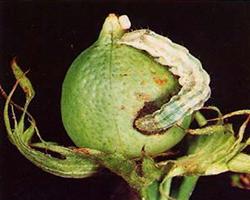
How are pests and diseases controlled during the flowering and boll stage of cotton? Please advise.
For the flowering and boll stage of cotton, the following methods can be used to control pests and diseases:
First, the occurrence is severe and there are many species. According to forecast analysis, this year cotton pests and diseases will occur at a moderate-to-severe level overall, and in some areas will range from severe to outbreak level. In particular, during the flowering and boll stage, multiple pests and diseases will overlap and cause damage, posing a threat to cotton yield. The main ones include cotton aphids, mirids, red spider mites, Fusarium and Verticillium wilt, and late-season red leaf stem blight, among others. In some areas, cotton bollworm still needs to be controlled, and saved seed especially must not be ignored.
Second, climatic conditions are favorable for the occurrence of pests and diseases. According to forecasts by the meteorological department, June and July will be hot and humid. This stage is also the key period for cotton budding, flowering, and boll setting, and high temperature and high humidity favor the occurrence and spread of cotton Fusarium and Verticillium wilt, often producing the phenomenon of "a field of seedlings dying after a rain."
Third, the pest and disease population in Bt cotton fields has changed. After the large-scale planting of transgenic insect-resistant cotton, the occurrence of cotton bollworm was effectively controlled, but secondary pests and diseases such as mirids and red spider mites gradually increased and posed a new threat. In the late growth stage of cotton, red leaf stem blight induced by potassium deficiency occurs severely, causing premature aging of cotton and reducing yield.
Fourth, farmers have an insufficient understanding of the insect-resistant effect of insect-resistant cotton. Bt transgenic insect-resistant cotton is not "insect-free cotton." Especially during the third and fourth generations of cotton bollworm in our province, the resistance of insect-resistant cotton has already decreased significantly, and the reproductive organs of cotton - flowers, buds, and bolls - show the weakest resistance. There are often some cotton bollworm eggs laid on these reproductive organs that hatch and survive, causing damage. At the same time, insect-resistant cotton has no resistance to cotton aphids, cotton thrips, cotton spider mites, whiteflies, and others. If not controlled, they often cause new damage.
For this reason, it is recommended to focus on the following key control points:
I. Cotton bollworm. For insect-resistant cotton varieties, it is generally not necessary to spray pesticides to control the second generation of cotton bollworm. For conventional cotton, control of the second generation of cotton bollworm should be timed during the peak egg-laying period of adults. It is necessary to grasp the control threshold and application technology well. When the cumulative number of eggs on buds and bolls per 100 plants reaches 100 eggs or there are 10 larvae for the third generation of cotton bollworm, chemical control should be carried out. Chlorpyrifos, emamectin benzoate, phoxim, profenofos, endosulfan, and others can be selected for control. It is advocated to spray plant-derived insecticides such as matrine or cotton bollworm virus preparations, using a half-dose tank-mix spraying technique with the above-mentioned related insecticides, to reduce pollution and reduce the source of insects for the next year. However, Bt biological preparations are prohibited in insect-resistant cotton fields.
II. Cotton Fusarium and Verticillium wilt. On the basis of doing a good job of chemical seed treatment, it is necessary to grasp the key link of spraying for control at the early stage of disease onset, and spray once every 10 days, generally spraying about 3 times in succession. Of course, where conditions permit, rotation with gramineous crops can be carried out for more than 2 years. For control chemicals, fulvic acid salts, ethylicin, plus carbendazim, mancozeb, and others can be selected. At the same time, some nutrient types can be added to improve plant disease resistance.
III. Cotton mirids. For mirid control, it is advocated to control early at the appropriate time. Generally, spraying for control begins when there are about 3 nymphs per 100 plants at the cotton seedling stage, and large-scale unified control should be carried out during the same time period to bring the damage of the first generation of mirids in cotton fields under control. During the flowering and boll stage, when the number of insects per 100 plants reaches 20-25, control must be carried out immediately. Acetamiprid, imidacloprid, and malathion, chlorethoxyfos, chlorpyrifos, and other pesticides can be selected for half-dose tank-mix spraying. The control time should be before 9 a.m. and after 4 p.m. When spraying, aim at the tender tips, side shoots, and buds and bolls, and emphasize even spraying, thorough penetration, and large-scale unified control. Be careful not to skimp on water while sparing pesticide, and do not spray when there is dew.
IV. Cotton red leaf stem blight. This is mainly a disease induced by potassium deficiency. During the flowering and boll stage, cotton grows vigorously and its potassium demand increases greatly. If the supply of potassium fertilizer in the field is insufficient, cotton red leaf blight is likely to occur. In conjunction with the control of Fusarium and Verticillium wilt, spray 0.2%-0.3% potassium dihydrogen phosphate solution early, once every 7 days, for 2-3 consecutive sprays. Where conditions permit, balanced fertilization technology can be implemented well, and potassium fertilizer can be supplemented according to actual needs.
V. Cotton aphids and cotton red spider mites. For cotton aphids, imidacloprid, acetamiprid, and others can be selected; for red spider mites, abamectin can be selected for half-dose tank-mix spraying with organophosphorus pesticides.
Note that control of cotton aphids and red spider mites should be carried out before the pests spread in spots and patches. If the pest population is very large and has already spread throughout the field, the difficulty of control will increase greatly.
Click to get more cotton cultivation techniques
Click to get more grain crop cultivation techniques